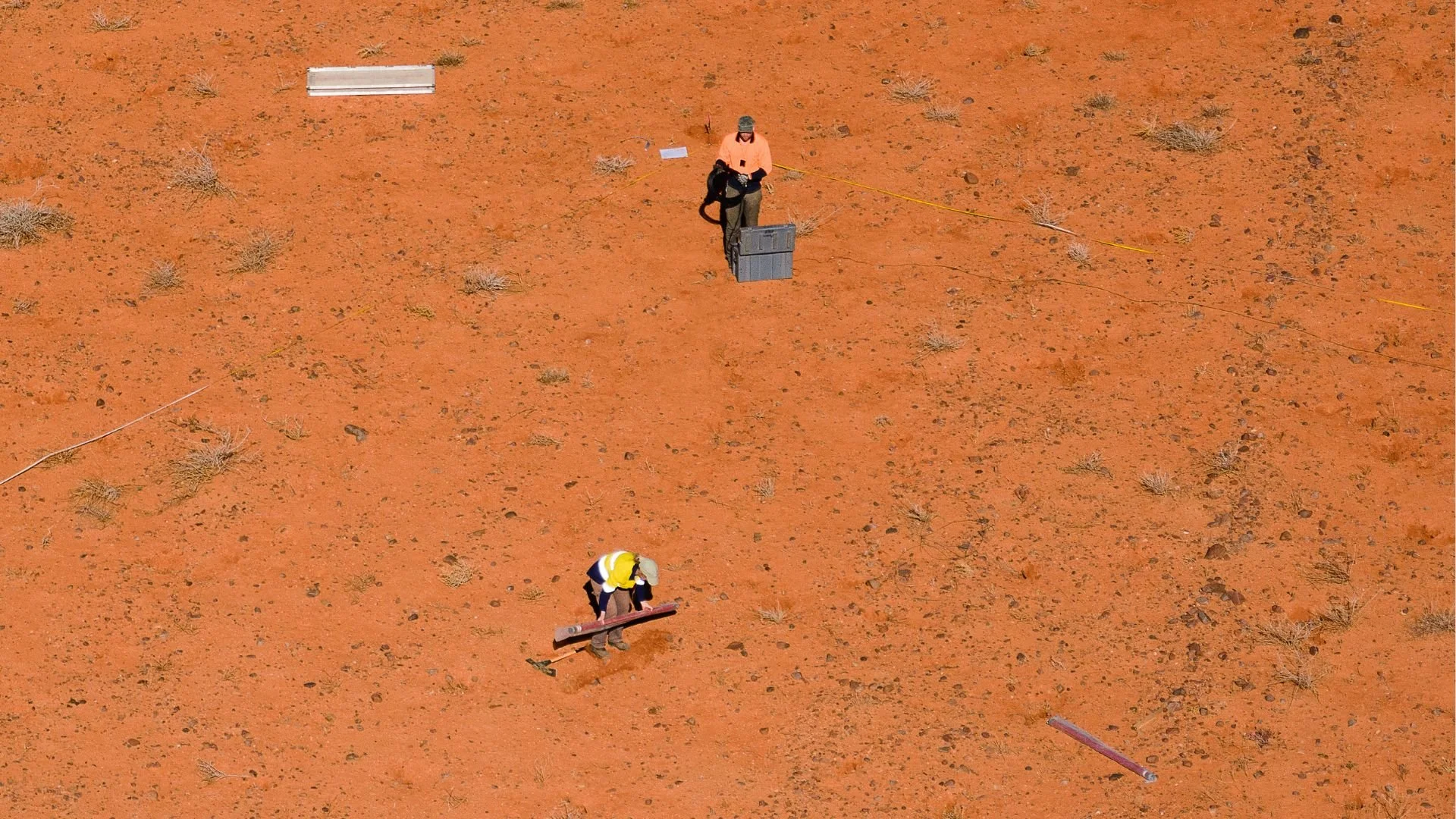
Australia’s critical minerals are essential to clean energy and modern technologies, but new deposits are becoming harder to find. AuScope’s NCRIS-enabled research infrastructure is helping unlock Australia’s mineral potential through smarter, safer and more efficient exploration.
NCRIS-enabled research at the University of Wollongong is mapping Australia’s strontium isotope landscape to track movement of people, animals and materials, enabling applications from archaeology to food provenance.
Discover how AuScope’s NCRIS enabled seismic data from Antarctica’s Denman Glacier was transformed into an immersive dance experience at Tasmania’s Beaker Street Festival.
At the remote border of South Australia and New South Wales lies the Curnamona Province, an ancient geological region with a hidden story. Using NCRIS-enabled infrastructure, researchers are creating a 3D model of the deep Earth, known as the ‘Curnamona Cube,’ revealing how supercontinents formed and offering new insights without ever breaking ground.
Explore AuScope’s 2025 highlights. This year’s video showcases the discoveries, partnerships and national impact driving Earth science innovation across Australia.
A powerful new laser at the University of Melbourne is turbo-charging rock-dating, making thermochronology faster and sharper than ever. It is set to spark fresh insights into landscapes, ancient art, and hidden mineral treasures.
In the paddocks of Queensland’s Darling Downs, a network of corner reflectors has quietly shaped the accuracy of satellite data used around the world. NCRIS-enabled through AuScope, the Queensland Corner Reflector Array has, over the past decade, become essential to agencies like ESA and NASA for calibrating and validating satellites that monitor Earth’s surface with precision.
Antarctica holds clues to how our planet is responding to climate change, and what it means for our future. AuScope is helping researchers uncover these secrets by building hardened instruments for the continent’s extreme conditions, drilling to unlock secrets in sediments beneath the ice, and developing advanced software to model sea-level rise. These NCRIS-enabled tools are vital for preparing communities for a warming world.
Discover how Australia's new HyLogger4 technology is transforming mineral exploration through advanced hyperspectral imaging, reducing environmental impact, and digitising geological data for a more sustainable and globally accessible mining future.
Professor Brent McInnes shares the history of AusGeoChem and discusses its upcoming rebrand to AuScope EarthBank – a new name that reflects the platform’s international reach and commitment to open science.
Discover AuScope's top moments of 2024! This year’s video showcases how we're driving earth science forward in Australia through NCRIS-powered discoveries and powerful collaborations. Join us for a look at the year’s biggest highlights!
Using NCRIS-enabled laser technology, a study on the 2021 La Palma eruption demonstrates how analysing magma chemistry over time can enhance volcanic monitoring and forecasting, potentially mitigating future eruption hazards globally.
We are excited to share with you our 2023 highlights! Thank you to everyone in our national geoscience community who has helped take us closer to our vision of a sustainable and resilient future.
Discover AuScope’s highlights of 2022, from HQ and our Projects, as strategic steps towards realising a sustainable and resilient nation underpinned by predictive geoscience.
Have you heard of forensic seismology, the emerging field that studies human-made Earth vibrations, including nuclear explosions? Our AuSIS team recently stepped into it in collaboration with the RAAF to better detect unexploded bombs.
Since 2004, NCRIS has enabled a wealth of research excellence, making it both headline-worthy and a critical pillar of the Australian economy. Leading economists agree.
Take a dive into the top AuScope enabled science papers of 2021! Here we present a collection of newly published geoscience research that captures a breadth of new knowledge, from the depths of ancient oceans to the spinning edges of asteroids. Excitingly, this new knowledge will contribute to ongoing learning about our shapeshifting planet.
Discover AuScope’s highlights of 2021, from HQ and our Projects, as strategic steps towards realising a sustainable and resilient nation underpinned by predictive geoscience.
In November 2021, Chalice Mining Limited released a maiden resource statement for the Julimar polymetallic mineral deposit in WA — an exciting milestone for Chalice on the path to delivering palladium, nickel, copper and platinum for clean energy technologies. Equally impressive is the decades-long backstory to the Julimar discovery, with NCRIS enabled seismology at the heart.
Our spectrometry wizards at Macquarie University’s MQ GeoAnalytical laboratory (MQGA) are at it again, innovatively applying their new age-dating technique to novel science challenges outside of the geology domain.
AuScope exists within a network of twenty seven science organisations that ensure Australian researchers have access to cutting edge national research infrastructure. We are excited to showcase here how each organisation is supporting advanced manufacturing.
Hold onto your coffee cups and comfort the dog. This morning’s earthquake in southeastern Australia, which is perhaps the largest in the region in 200 years, thankfully has not yet caused any injuries. It has, however, provided AuScope geoscientists with the opportunity to investigate this record-breaking moment. Here are their thoughts!
What do fast wifi, aerogard and HyLogger have in common? All three are CSIRO science innovations, but the third you may not know, despite its fifteen-year history and far-reaching positive impact on the planet about to unfurl. With early NCRIS investment via AuScope, the quiet achieving HyLogger has changed the game for critical minerals hunters.
Discover AuScope’s highlights of 2020, from HQ and our Projects, as strategic steps towards realising a sustainable and resilient nation underpinned by predictive geoscience.
AuScope and twenty seven other NCRIS organisations are preparing Australia to anticipate, manage and adapt to our changing climate and the risk of bush fires. The National Collaborative Research Infrastructure Strategy (NCRIS) makes this vital research possible and helps develop Australia’s risk management and science innovation.
AuScope is proud to work alongside a number of other NCRIS organisations to enable research innovation across the sciences and technology. Often, we are connected via domain-specific challenges, but this year, we are connected by a global challenge: tackling the COVID-19 pandemic. From microscopy to computation and urban mapping, here’s how we are enabling timely and translational research.
Discover our 2019 highlights, from engaging the national geoscience community to build a 10-year investment strategy and 5-year investment plan, to gaining $5M to upgrade a SHRIMP ion microprobe, and reconstructing Game of Thrones’ geology in GPlates.
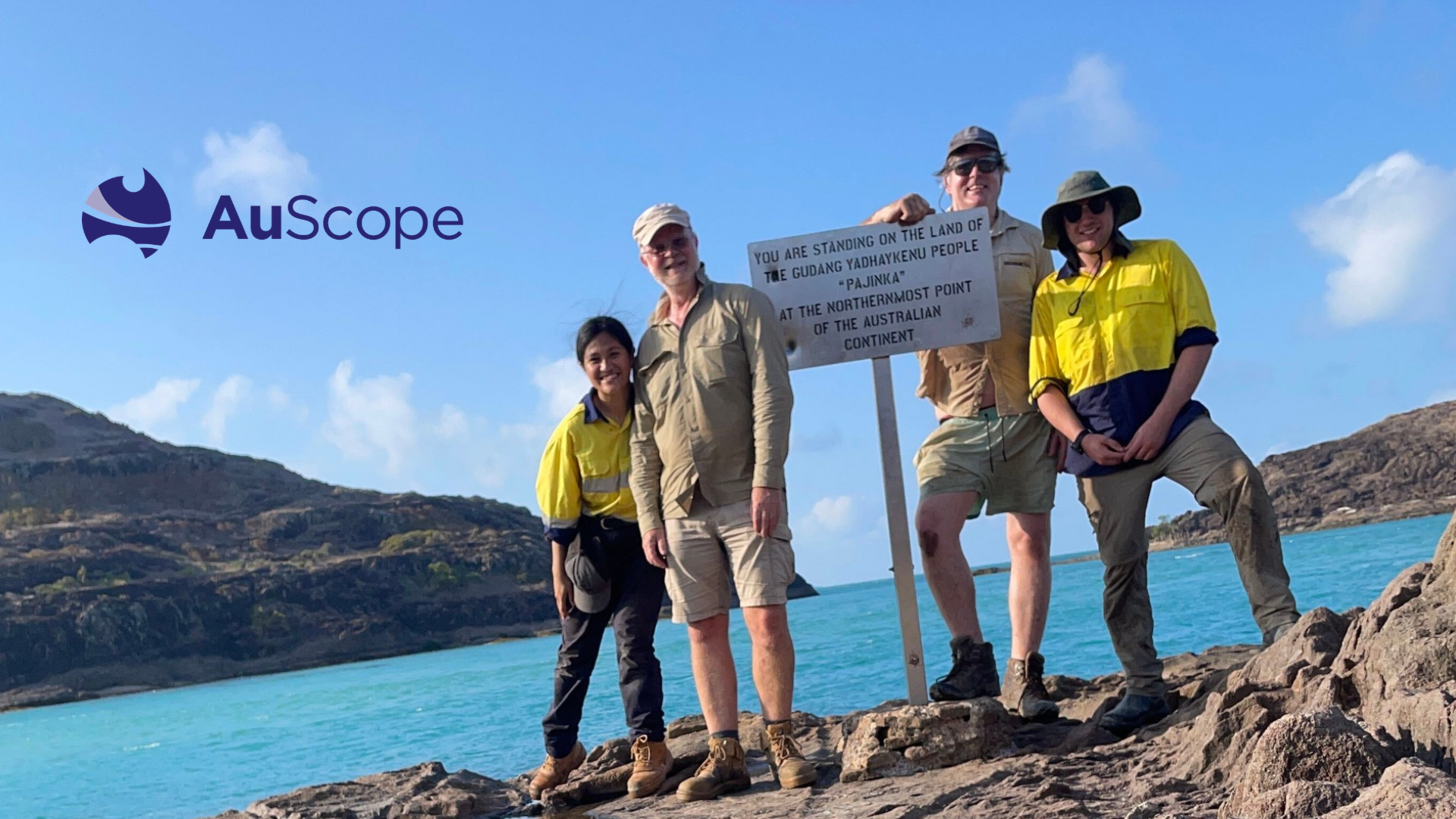
With accelerated investment from AuScope, scientists have placed the final instruments in Cape York to map what lies deep beneath Queensland. The data will help explain how Australia formed and where to find the copper and other minerals we need.
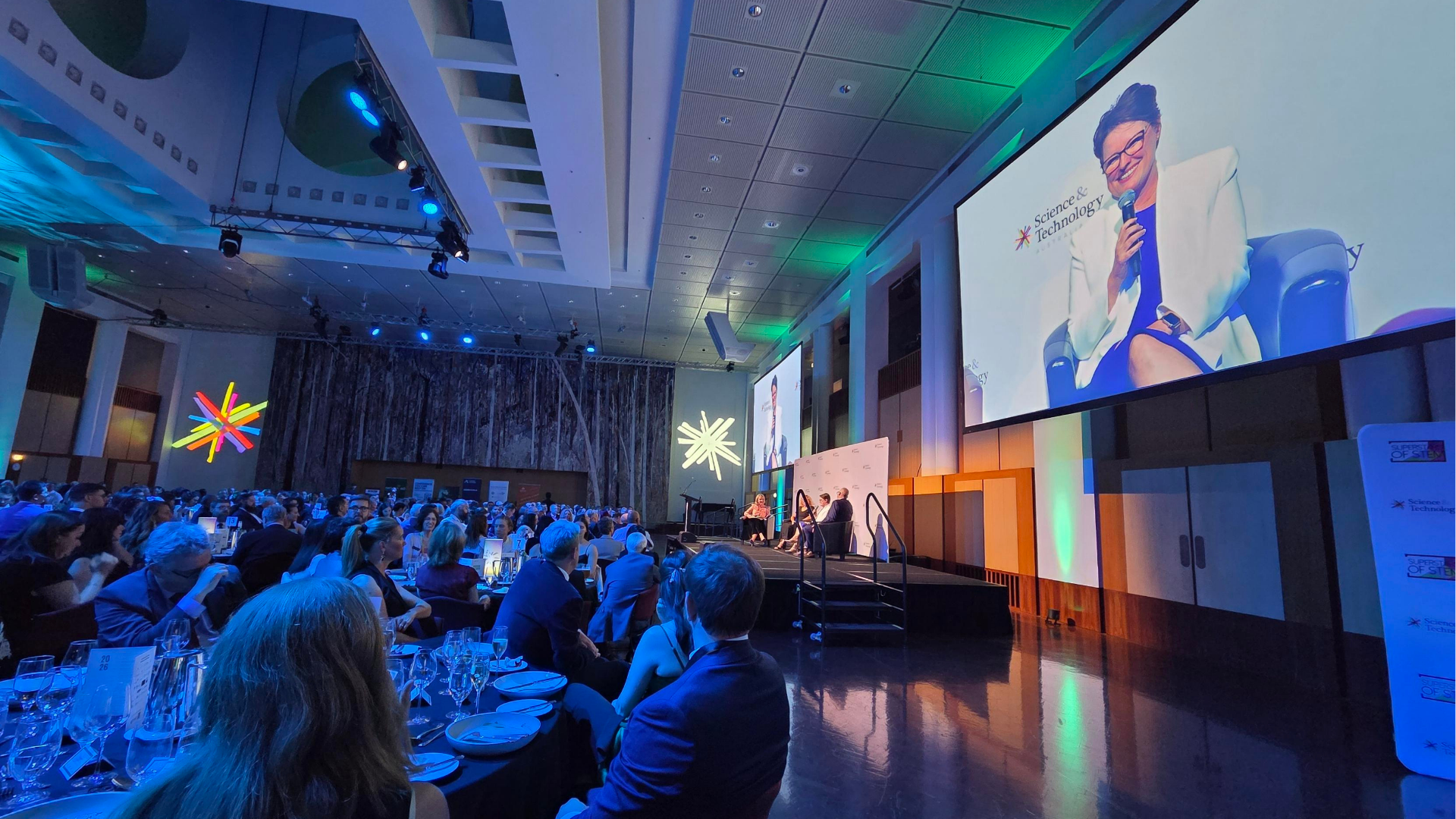
Get to know Dr Sima Mousavi, AuScope’s National Outreach Manager and 2026 Young Tall Poppy Award winner. Discover her journey from seismology to science outreach, and how she uses NCRIS-enabled AuSIS to bring earthquake science to life for students and communities across Australia.
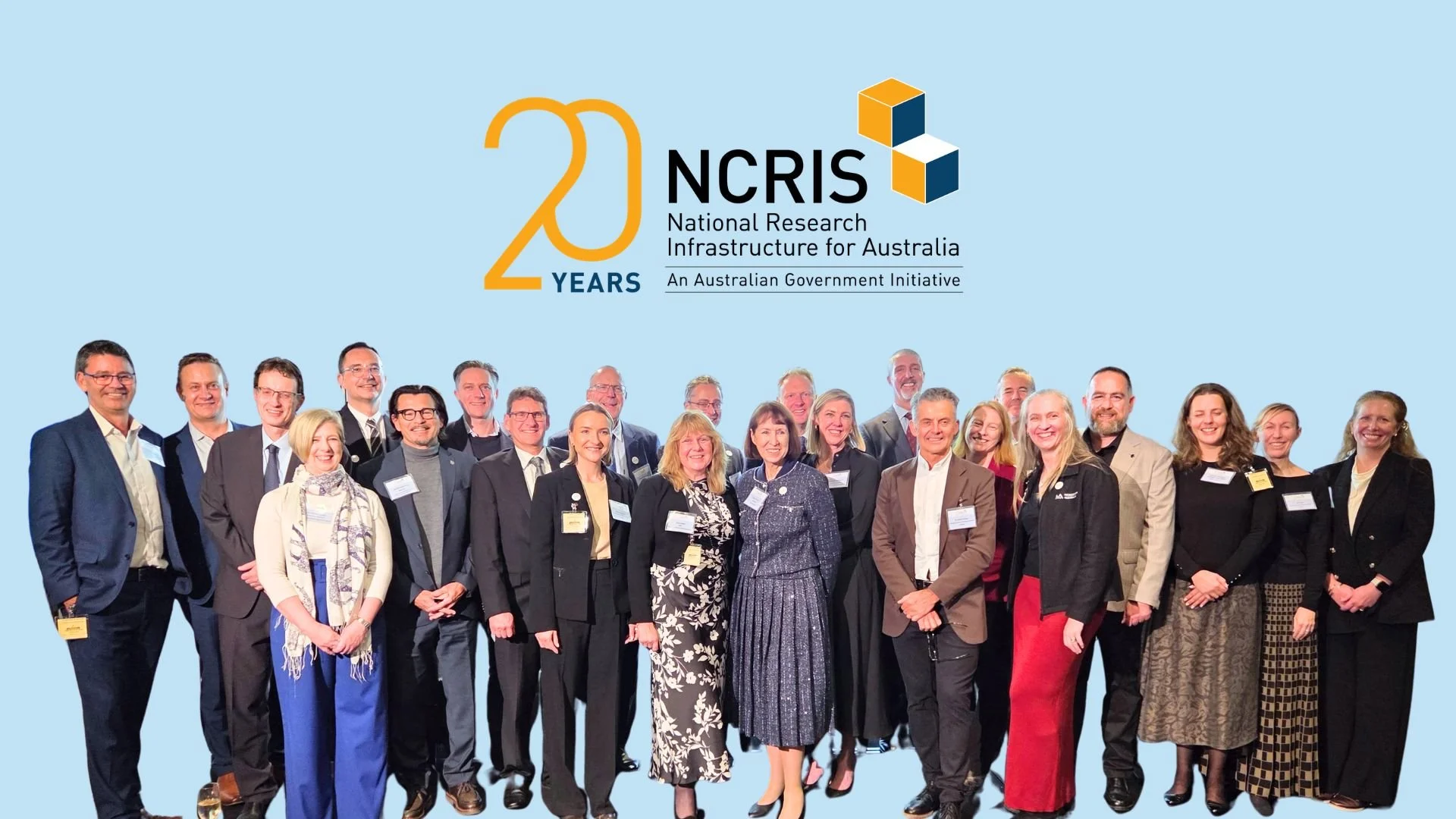
Researchers, government, industry and NCRIS leaders gathered in Canberra to celebrate 20 years of NCRIS enabled research infrastructure, recognising the national collaboration, expertise and shared investment that deliver world class research and impact for Australia.
Professor Malcolm Sambridge has been elected a Fellow of the Royal Society, recognising his pioneering work developing mathematical methods to better understand the Earth. In this interview, he reflects on his career, curiosity and the future of Earth science
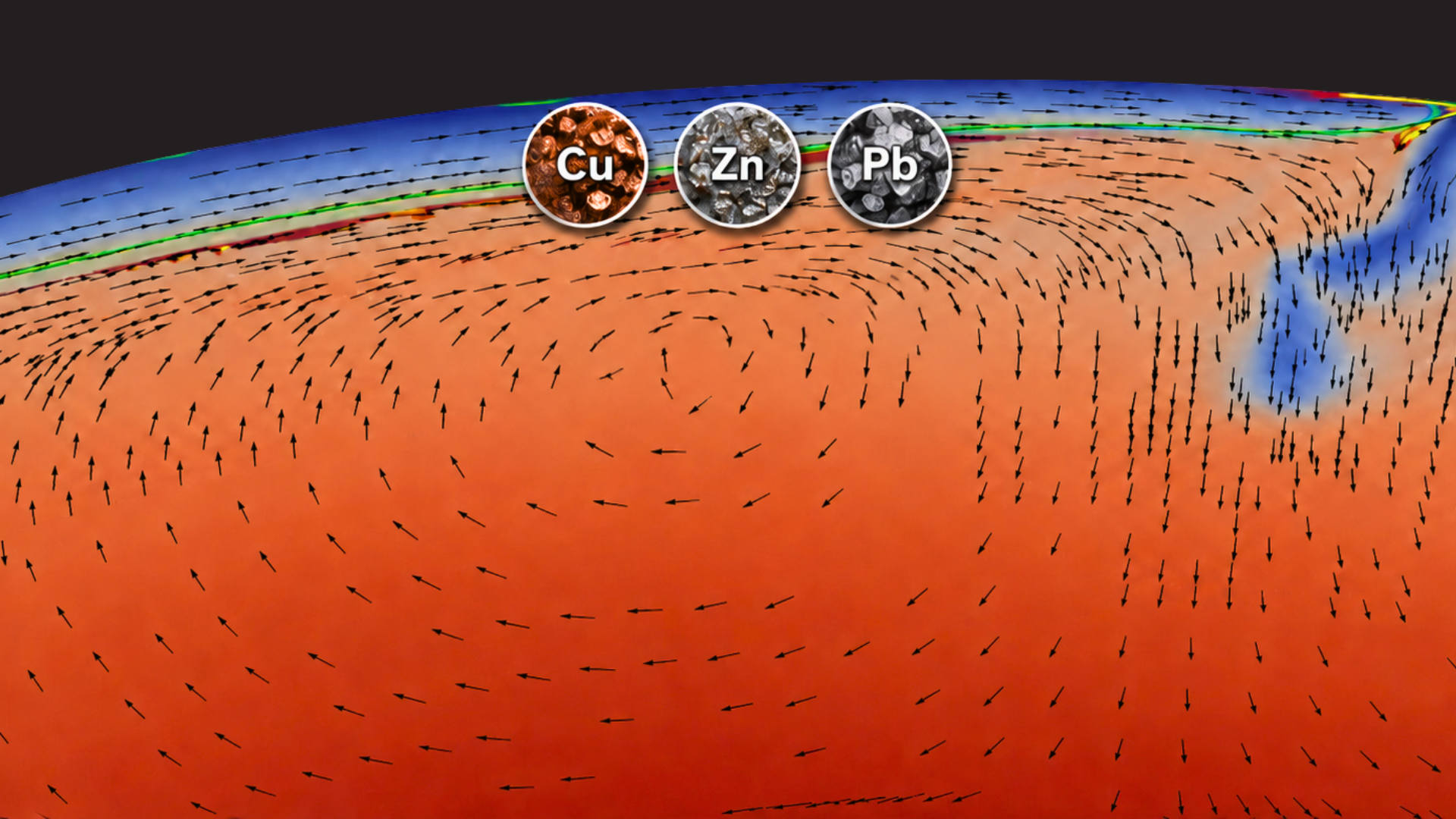
NCRIS enabled researchers from the University of Sydney have shown that ancient subduction zones created major copper, zinc and lead deposits along craton edges, providing a new framework to improve critical mineral exploration.
Team AuScope, represented by Dr Lucia McCallum and Shane Mule, attended SMP2026, highlighting critical discussions around indigenous knowledge, collaboration and social equity in research.
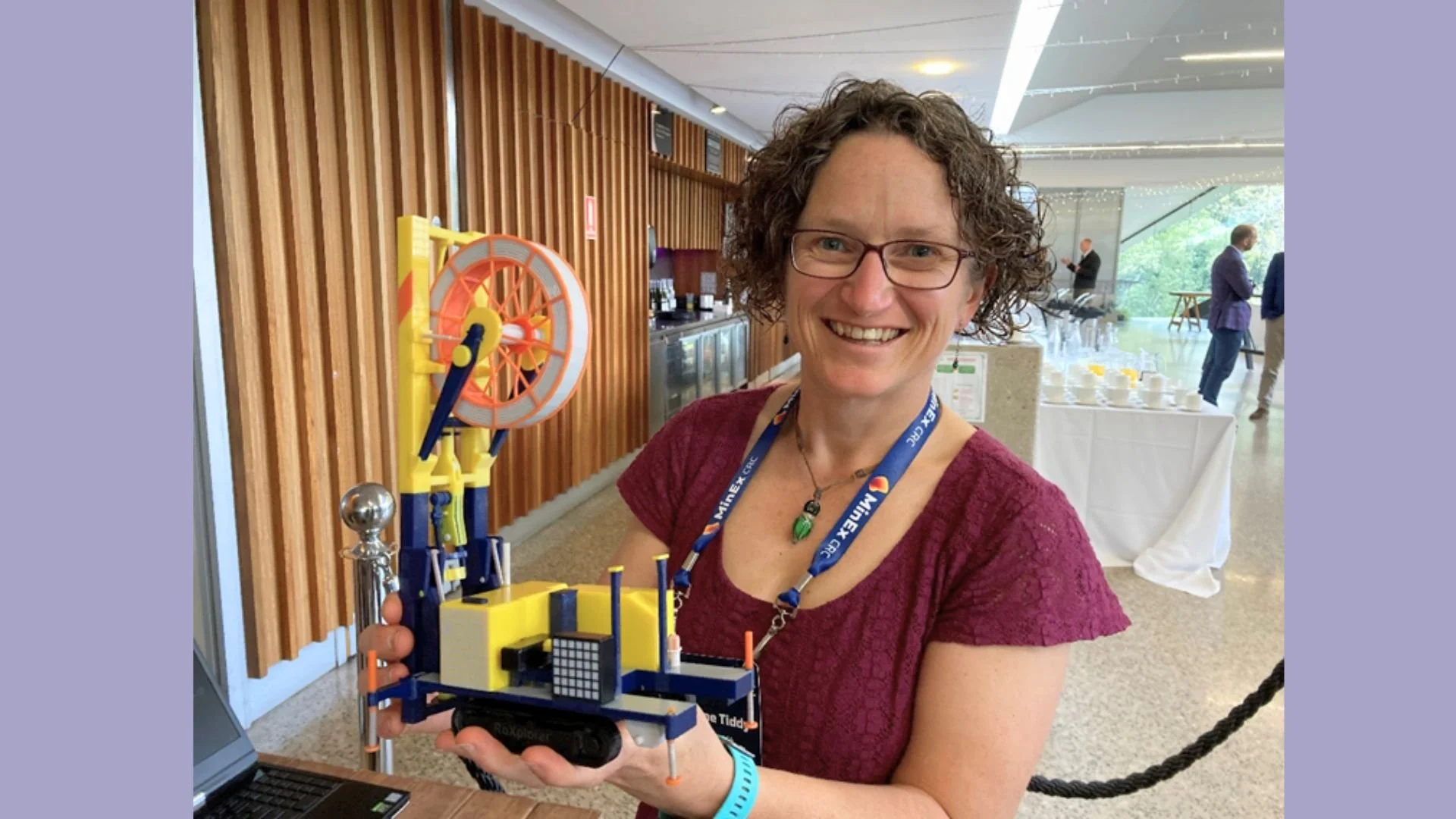
This week, we’re thrilled to welcome Professor Caroline Tiddy to the AuScope Board. Caroline is widely recognised for her work at the intersection of geoscience research, industry partnerships, and technological innovation. With a career built on collaboration and translating science into real-world impact, she brings a valuable perspective to AuScope’s strategic direction.
A collaboration between AuScope and CO2CRC is strengthening Australia’s capability to observe and interpret subtle subsurface processes associated with CO2 injection and storage, while also delivering insights relevant to a wide range of subsurface applications.
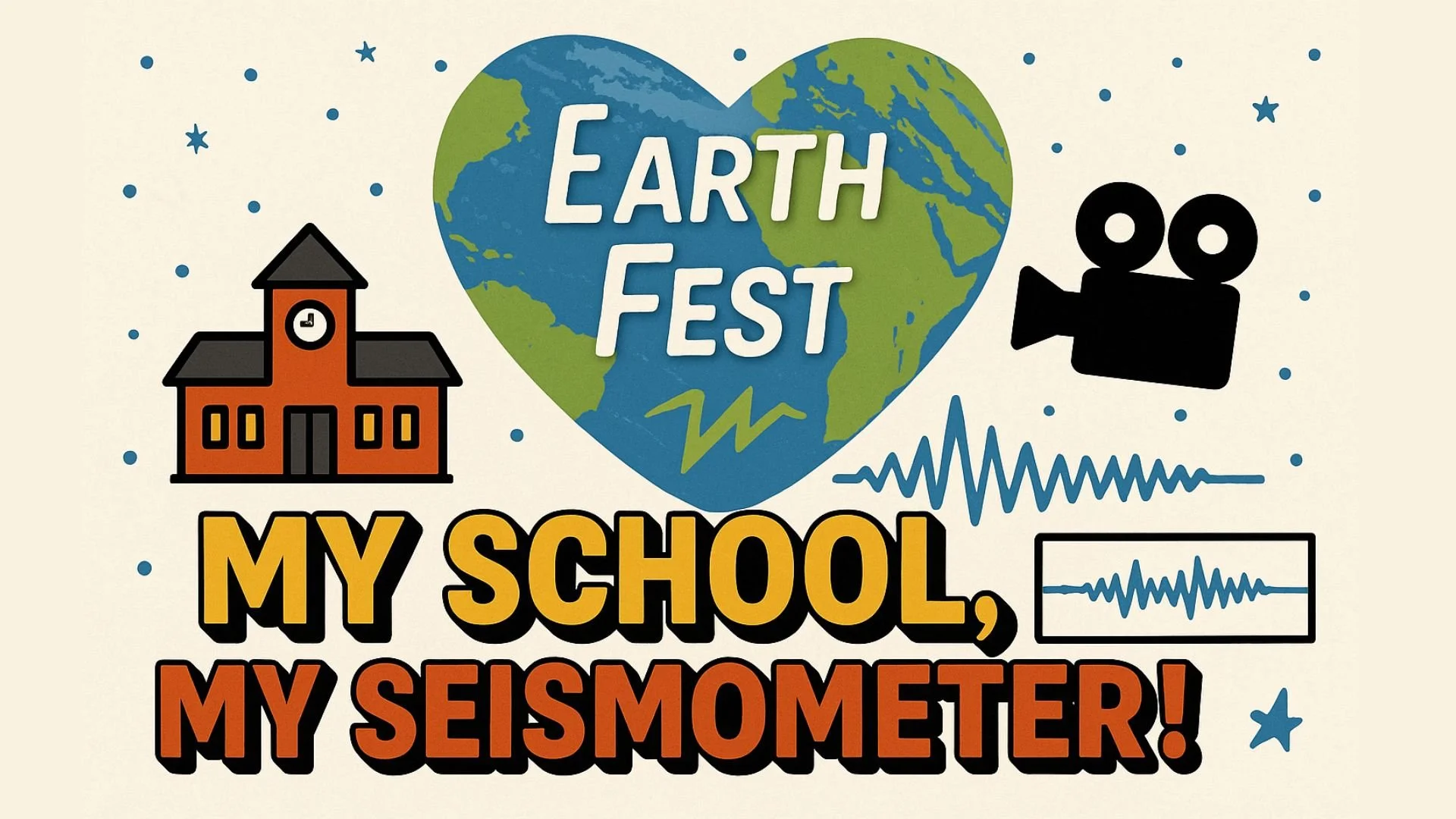
EarthFest invited schools nationwide to create films with their NCRIS enabled AuSIS seismometer, showing how hands-on geoscience tools empower students to explore Earth’s dynamic processes.
Thanks to the Inspire STEM Education program, supported by AuScope and partners, Western Australian students are using research-grade SEMs in classrooms to magnify the world 100,000× and spark new discoveries.
The ARC Laureate Fellowship is one of Australia’s most prestigious research awards. In 2025, three of AuScope’s collaborators were awarded for their research efforts and will receive additional funding to tackle national and global challenges.
This month, the global Earth science community celebrated Lesley Wyborn as she received the prestigious Ian McHarg medal at the 2025 European Geosciences Union meeting in Austria.