Case Studies
NCRIS-enabled research at the University of Wollongong is mapping Australia’s strontium isotope landscape to track movement of people, animals and materials, enabling applications from archaeology to food provenance.
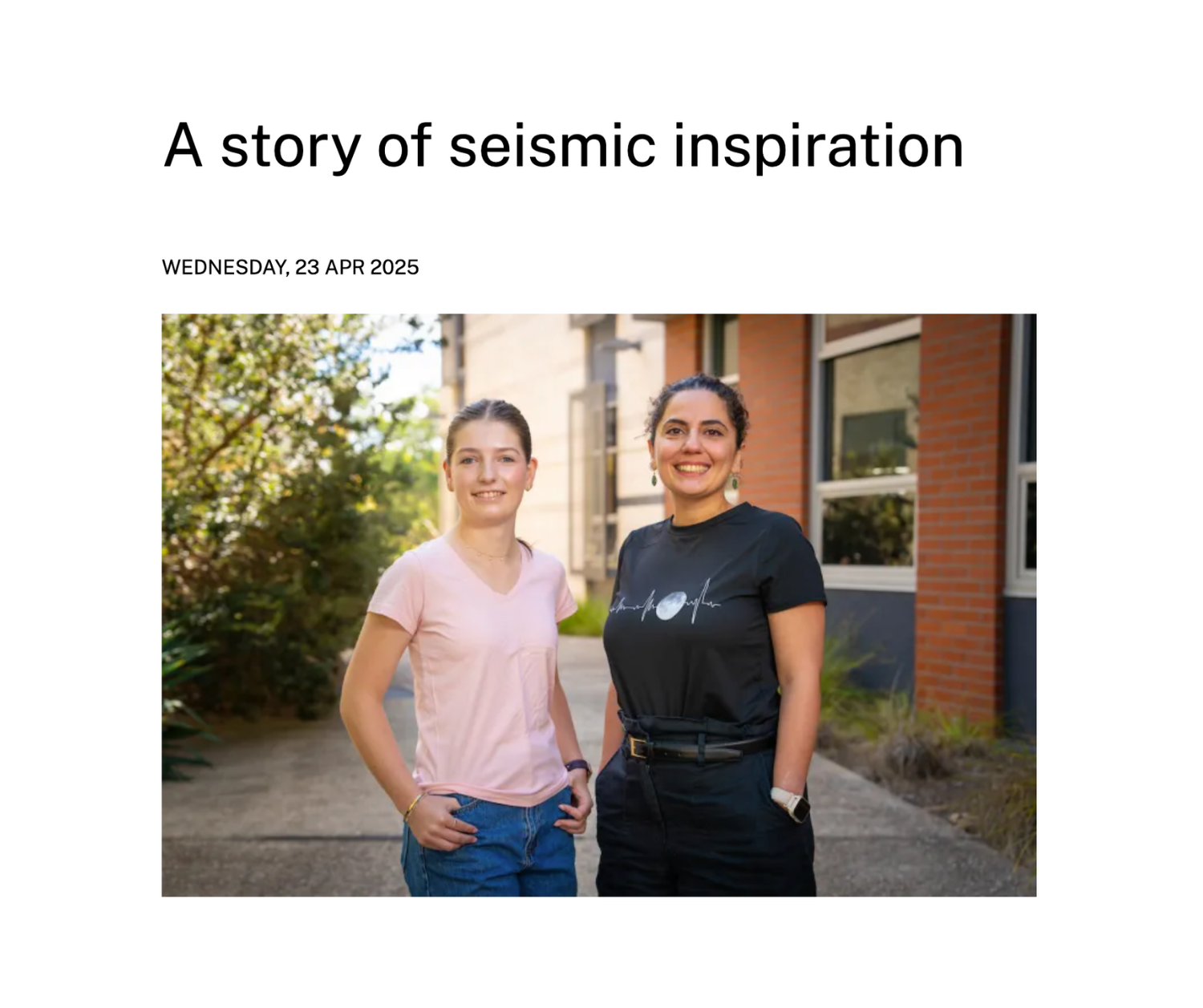
Discover how AuScope’s NCRIS enabled seismic data from Antarctica’s Denman Glacier was transformed into an immersive dance experience at Tasmania’s Beaker Street Festival.
At the remote border of South Australia and New South Wales lies the Curnamona Province, an ancient geological region with a hidden story. Using NCRIS-enabled infrastructure, researchers are creating a 3D model of the deep Earth, known as the ‘Curnamona Cube,’ revealing how supercontinents formed and offering new insights without ever breaking ground.
A powerful new laser at the University of Melbourne is turbo-charging rock-dating, making thermochronology faster and sharper than ever. It is set to spark fresh insights into landscapes, ancient art, and hidden mineral treasures.
In the paddocks of Queensland’s Darling Downs, a network of corner reflectors has quietly shaped the accuracy of satellite data used around the world. NCRIS-enabled through AuScope, the Queensland Corner Reflector Array has, over the past decade, become essential to agencies like ESA and NASA for calibrating and validating satellites that monitor Earth’s surface with precision.
Antarctica holds clues to how our planet is responding to climate change, and what it means for our future. AuScope is helping researchers uncover these secrets by building hardened instruments for the continent’s extreme conditions, drilling to unlock secrets in sediments beneath the ice, and developing advanced software to model sea-level rise. These NCRIS-enabled tools are vital for preparing communities for a warming world.
Discover how Australia's new HyLogger4 technology is transforming mineral exploration through advanced hyperspectral imaging, reducing environmental impact, and digitising geological data for a more sustainable and globally accessible mining future.
Professor Brent McInnes shares the history of AusGeoChem and discusses its upcoming rebrand to AuScope EarthBank – a new name that reflects the platform’s international reach and commitment to open science.
Our spectrometry wizards at Macquarie University’s MQ GeoAnalytical laboratory (MQGA) are at it again, innovatively applying their new age-dating technique to novel science challenges outside of the geology domain.
Media
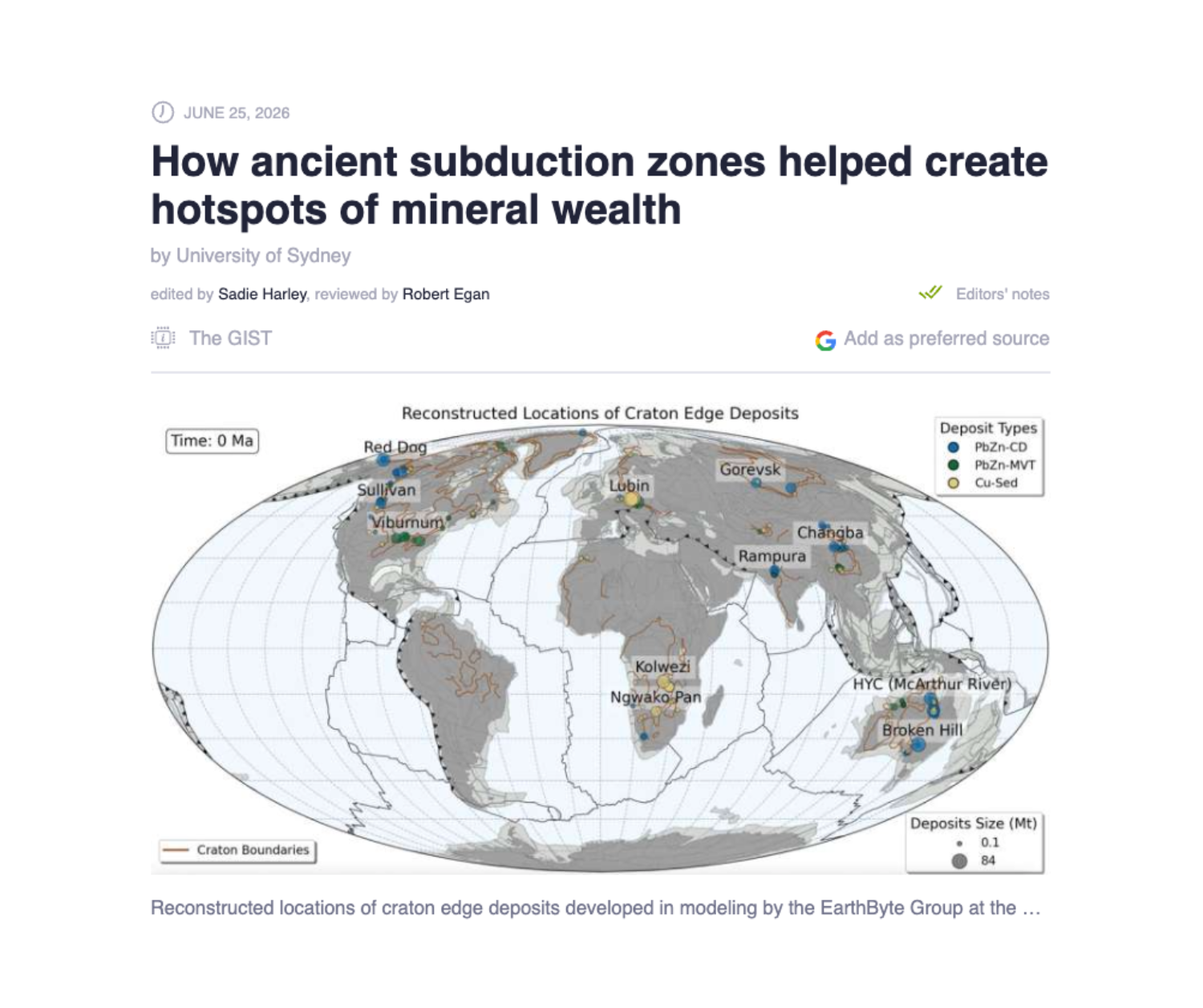
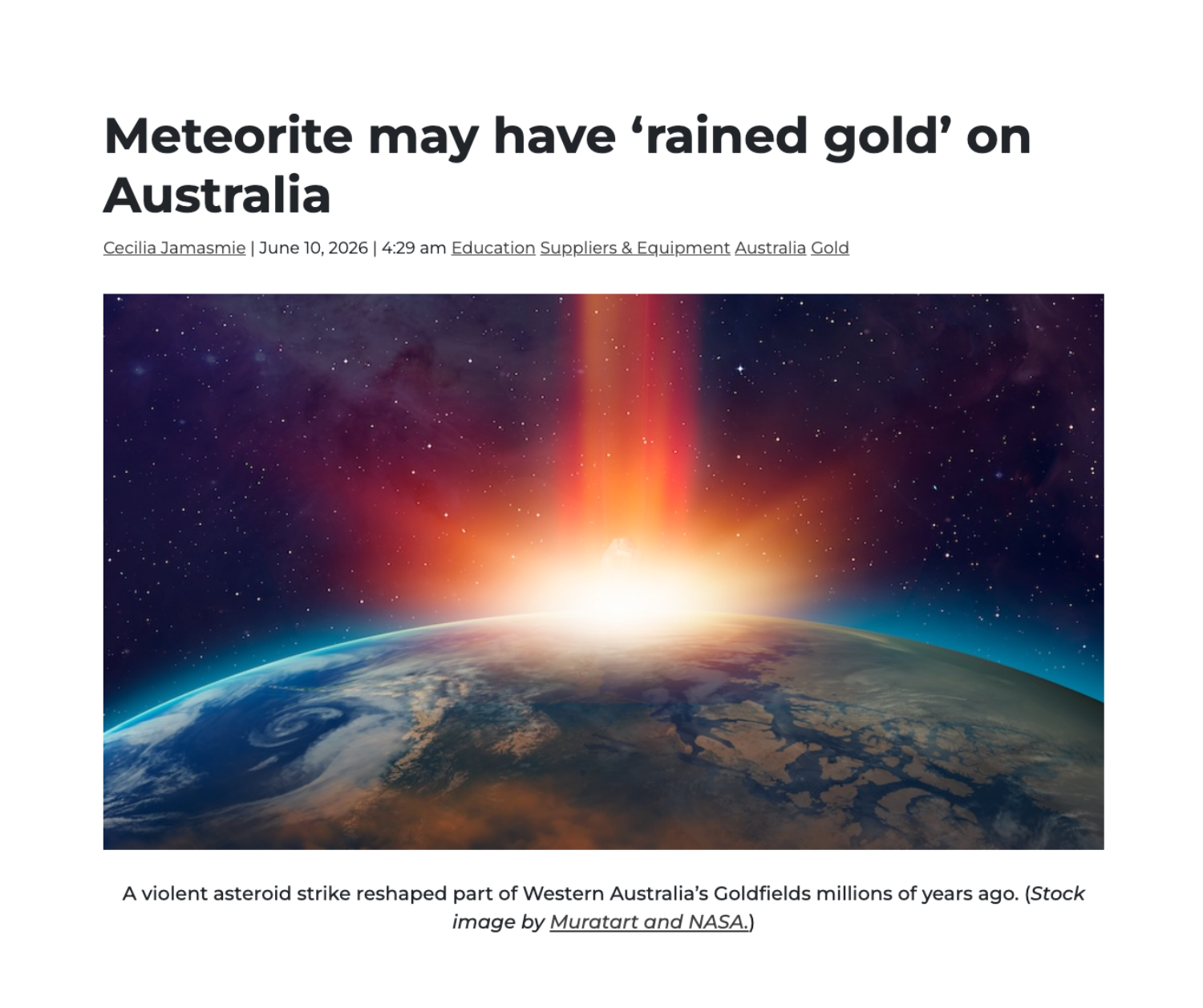
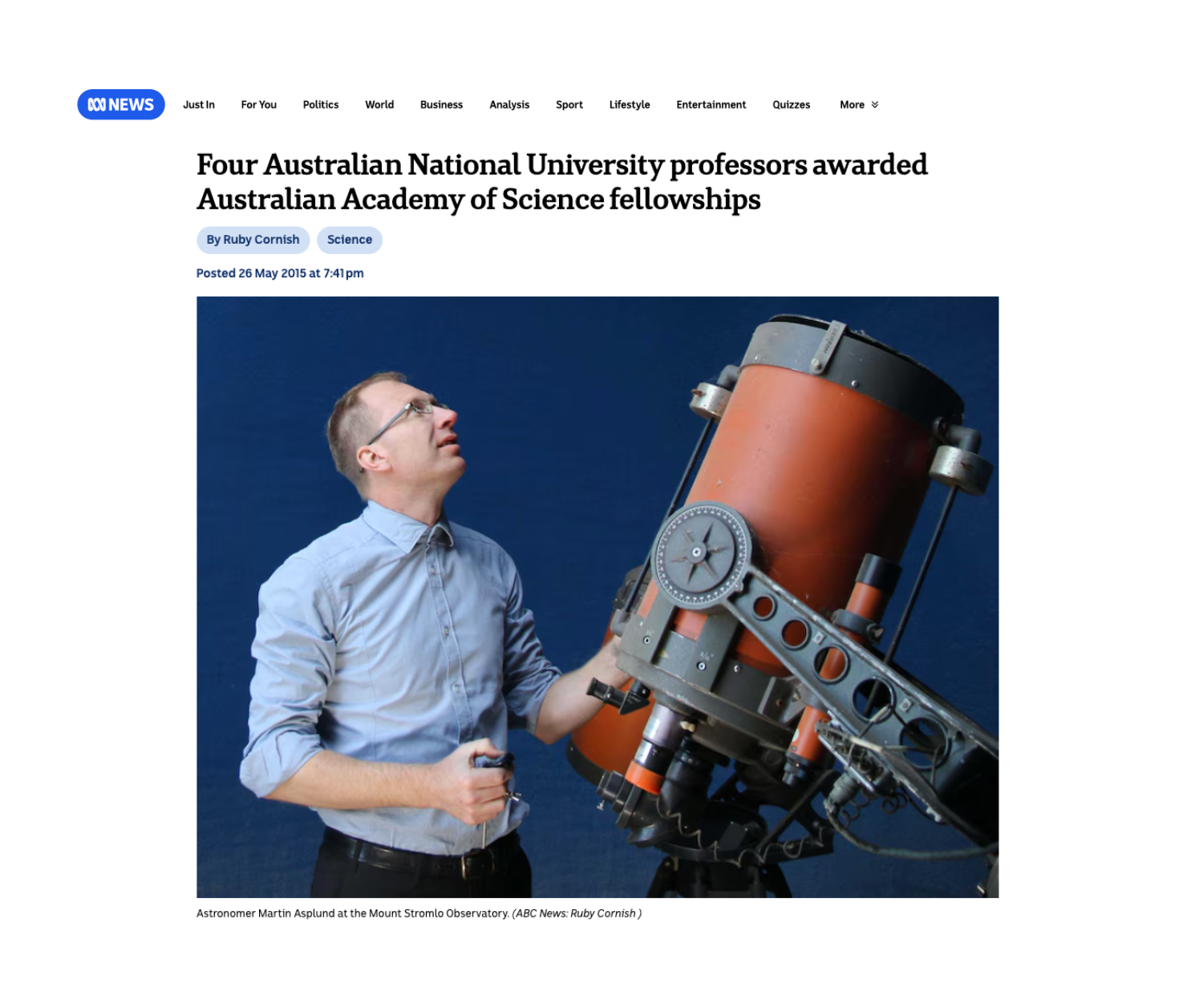
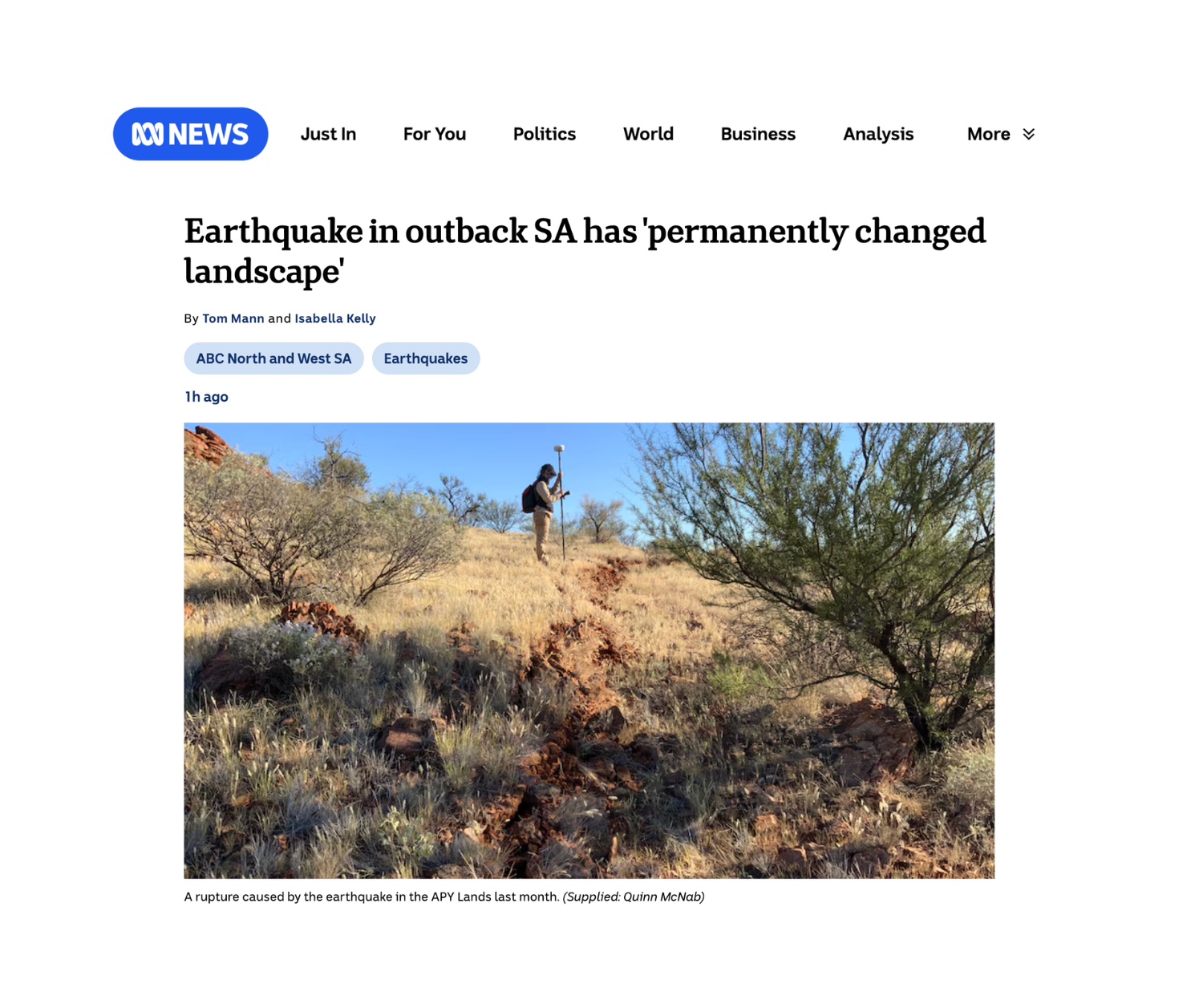
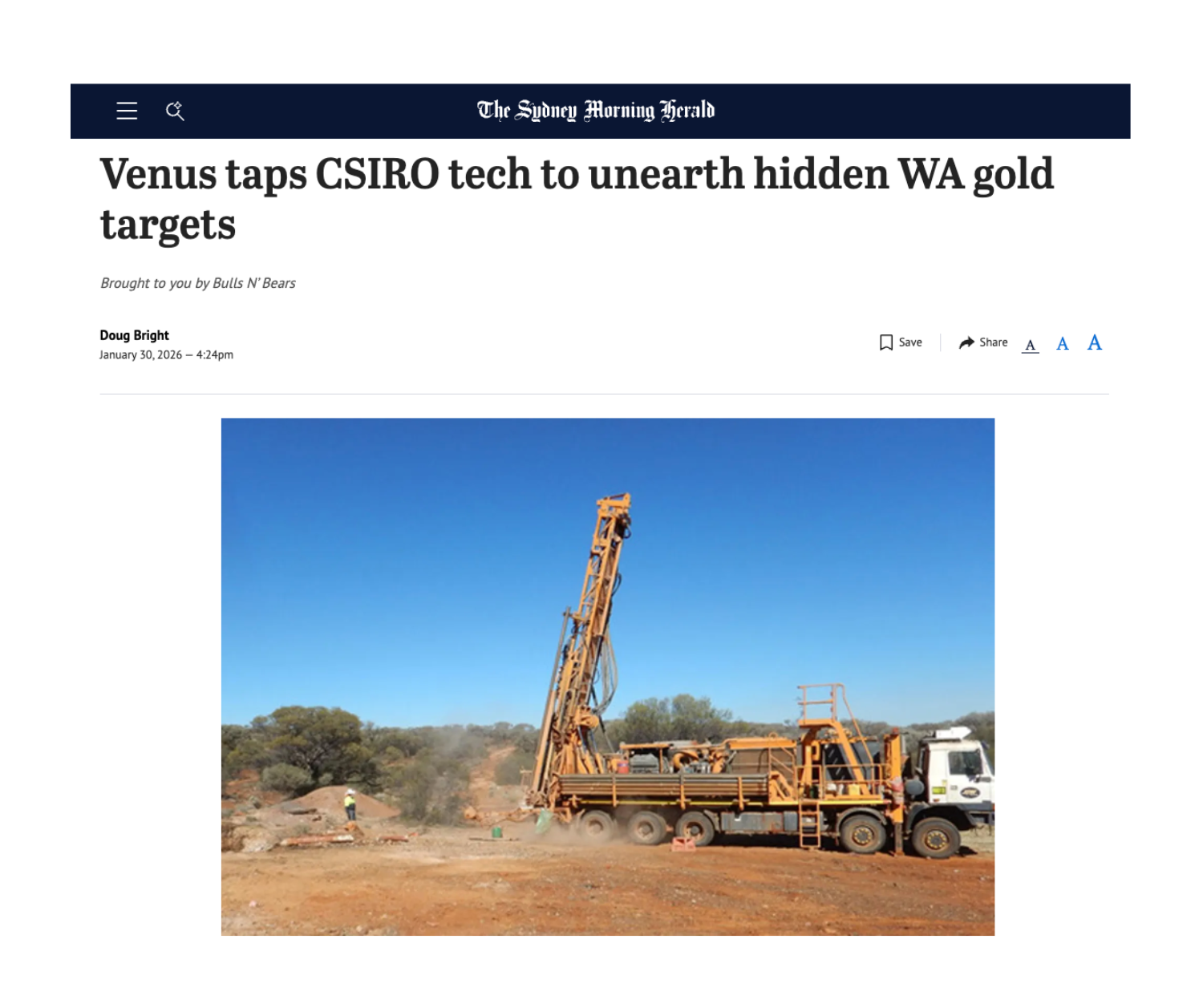
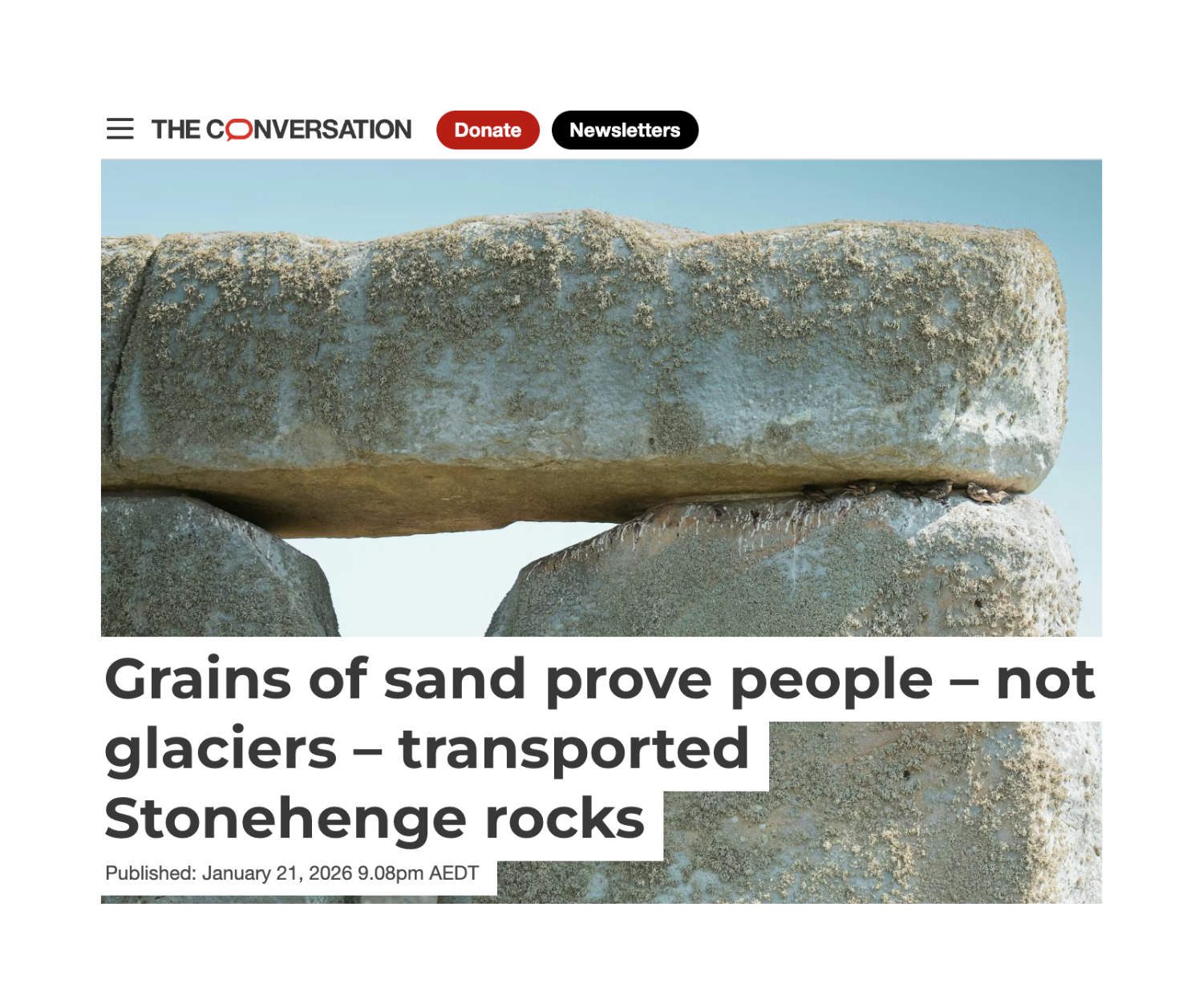
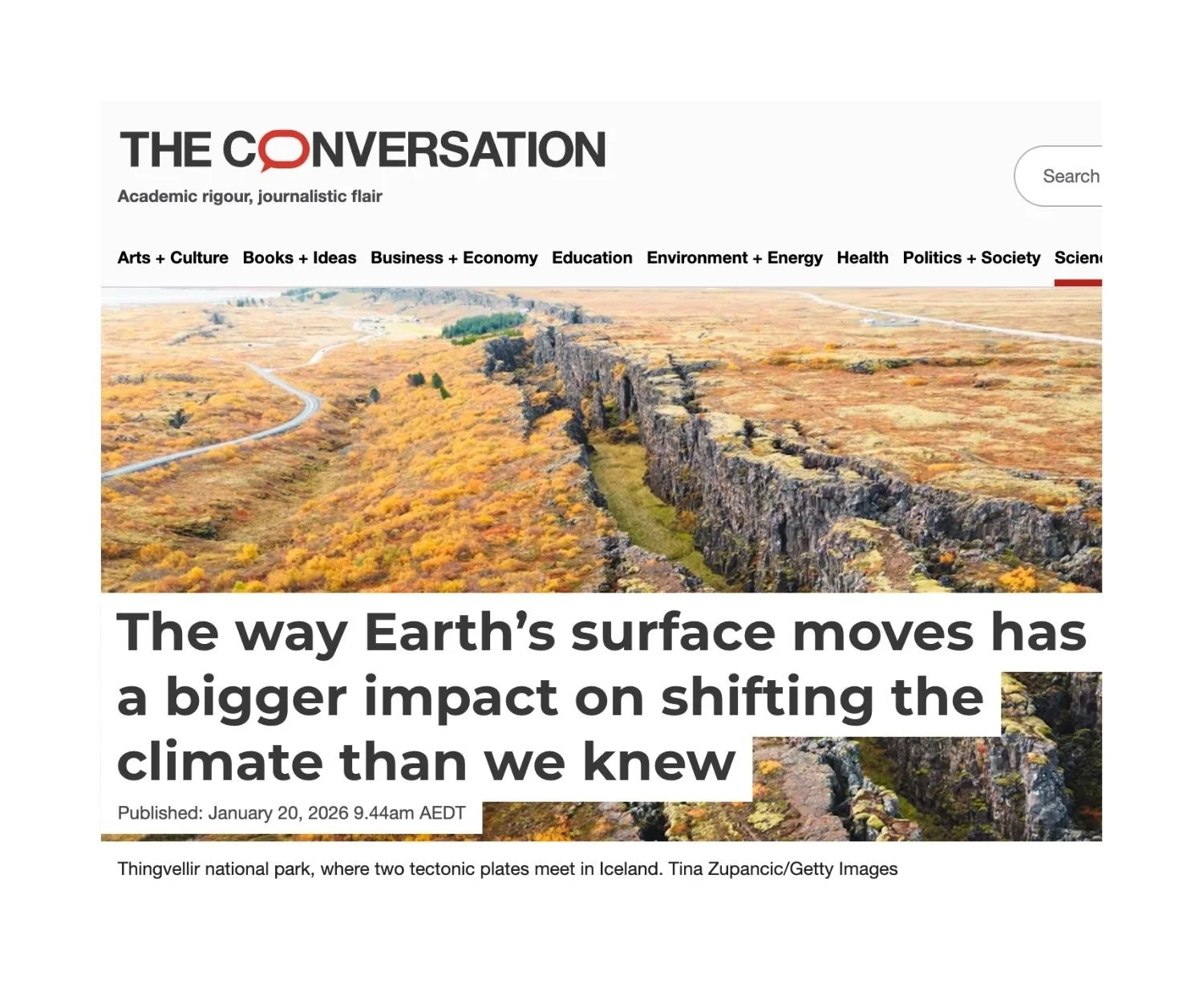
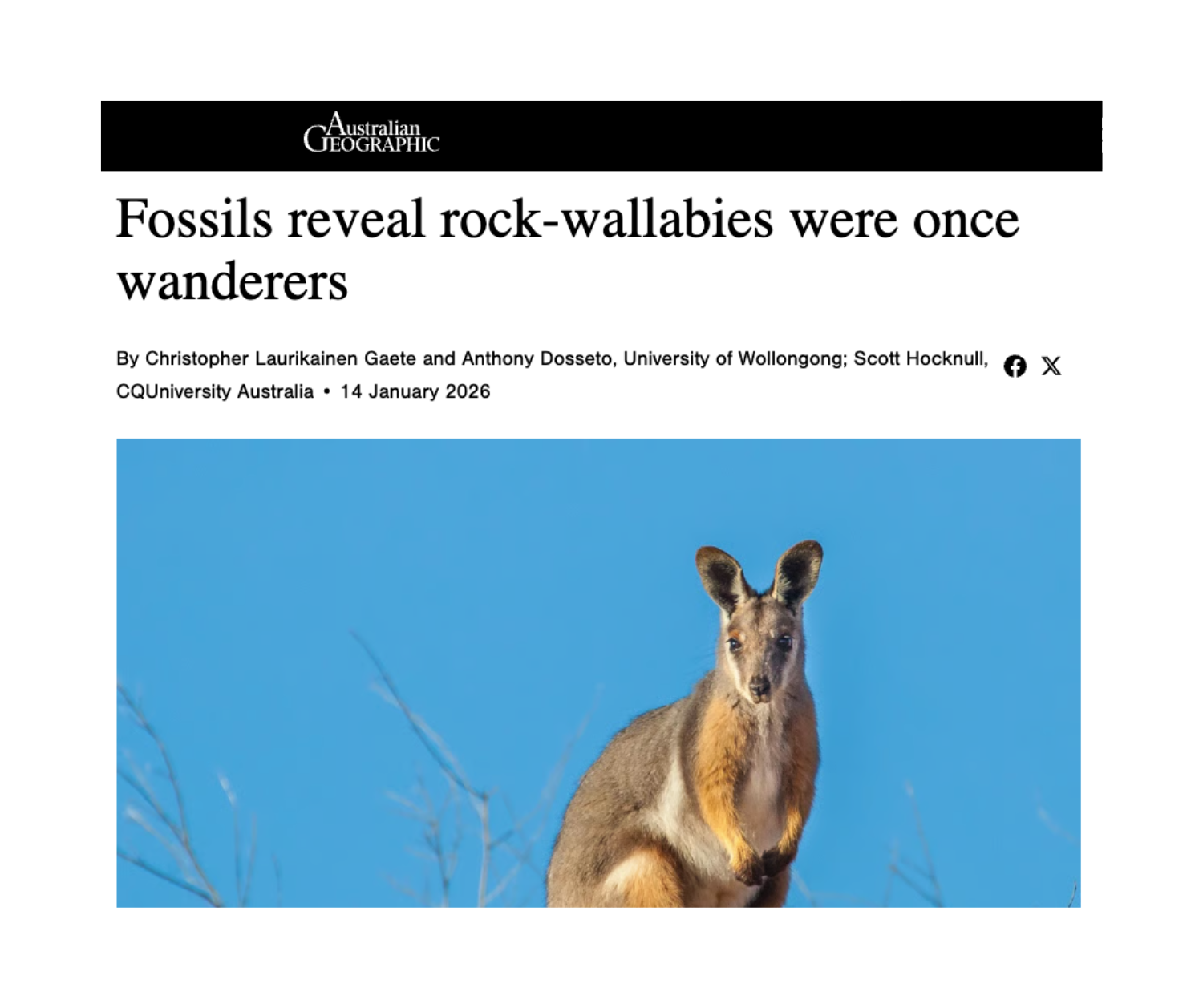
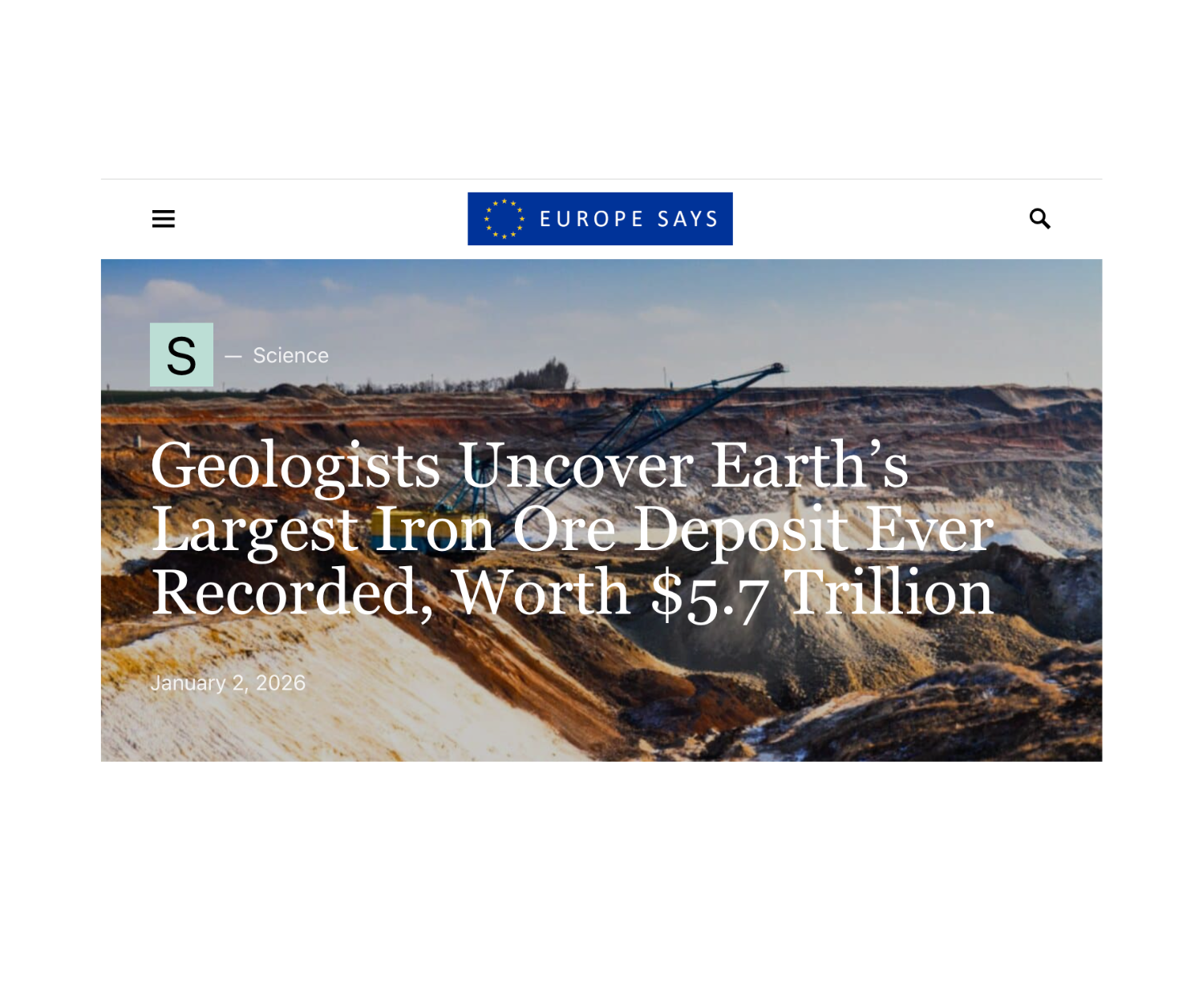
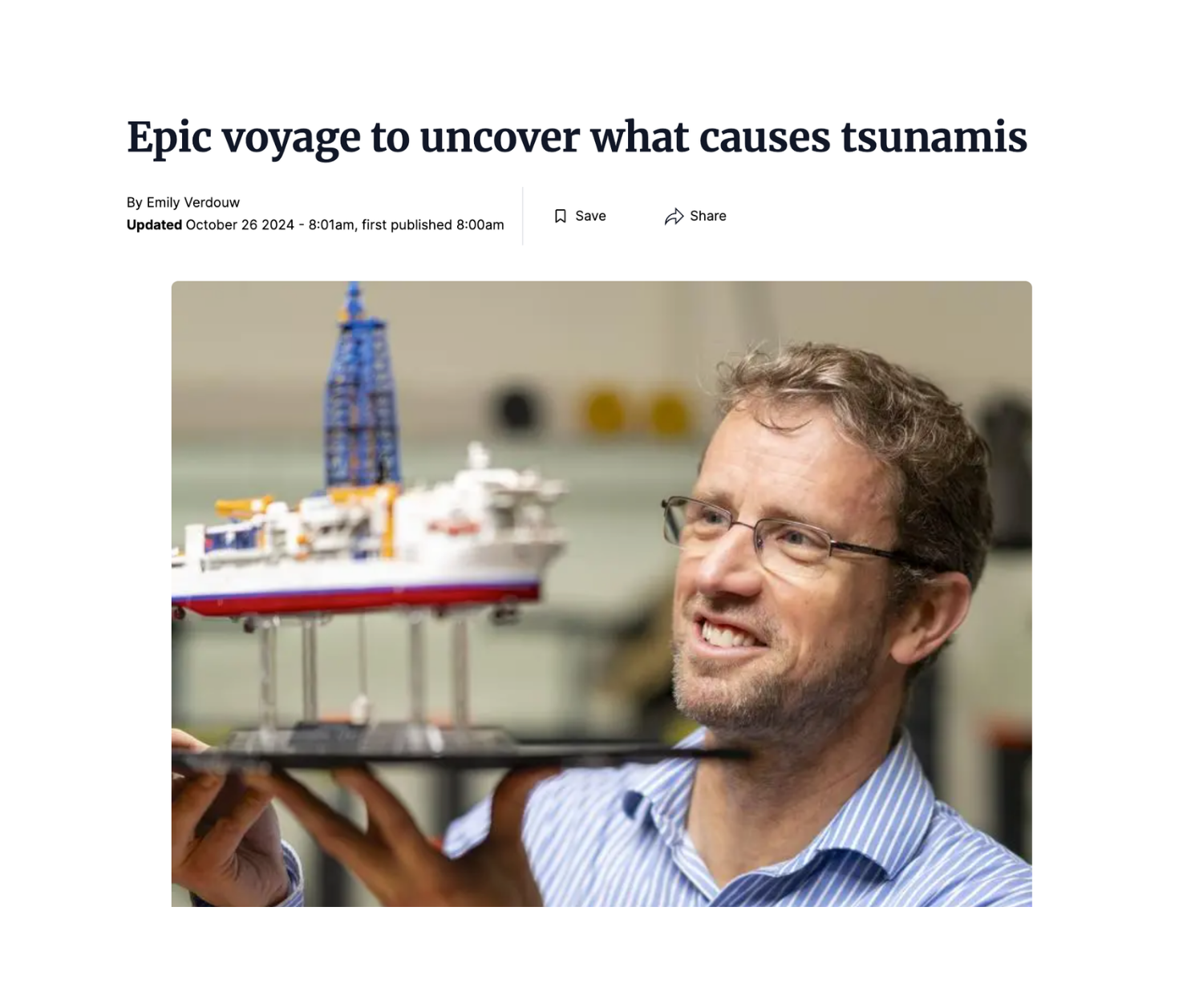
AuScope regularly gains media attention, nationally and abroad. Click on the images or titles below to read these articles. Please note that some articles are subscriber-only.
Discover our Latest News.