
From seismogram to dance floor: dancing with Antarctica’s Denman Glacier
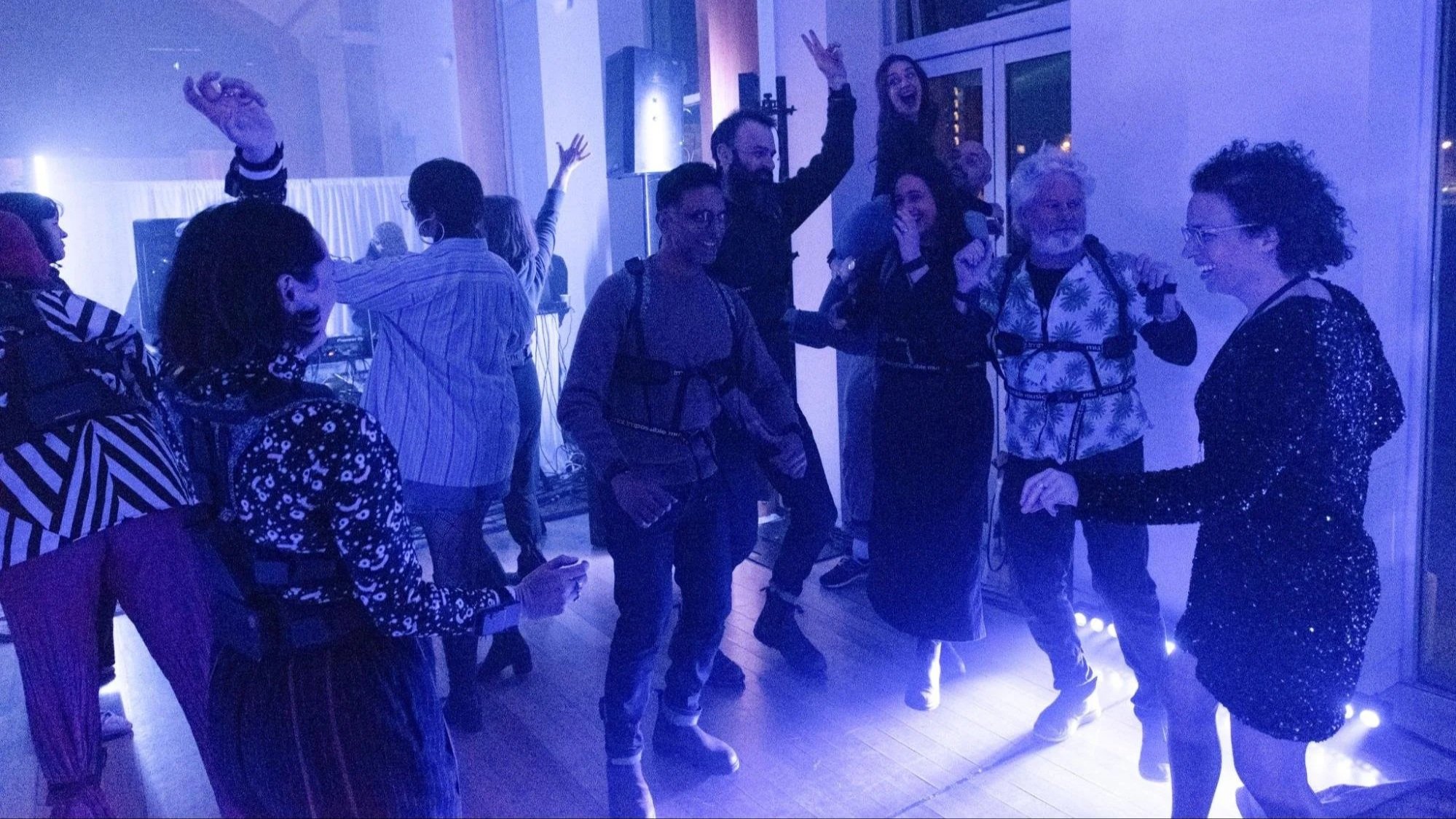
Dancing to the beat of science. Image: OI studios
In 2025, AuScope contributed to an immersive science and art experience at the Beaker Street Festival in Hobart, Tasmania. The project transformed seismic data from Antarctica’s Denman Glacier into a live dance performance, allowing audiences to experience the physical vibrations generated by moving ice.
The Science
As glaciers move across bedrock, fracture and release meltwater, they generate seismic signals that travel through the Earth. These vibrations are recorded by seismic monitoring systems and analysed by researchers to understand how glaciers behave and respond to climate change.
AuScope, via NCRIS, supports the infrastructure and data systems that enable scientists to capture and analyse these signals. These datasets help researchers investigate processes occurring deep beneath the Antarctic ice sheet and contribute to understanding how the cryosphere is changing in a warming climate
Translating Data into Experience

From Left: Professor Anya Reading, K Verell and Jon Smeathers on the decks. Image: OI studios
The Beaker Street event asked a simple question.
What does a moving glacier sound like and what does it feel like?
Sound artist K Verell and DJ Jon Smeathers transformed the seismic signals into an immersive electronic soundscape. Participants wore vibro-tactile haptic suits provided by The Newmarket Collective that translated the signals into physical vibrations across the body. This allowed audiences to feel the glacier's rhythms as they moved to the music on the dance floor.
The experience created a shared sensory environment that included hearing, deaf, and hard-of-hearing participants. The event demonstrated how scientific data can be translated into accessible and inclusive experiences.
Public Engagement
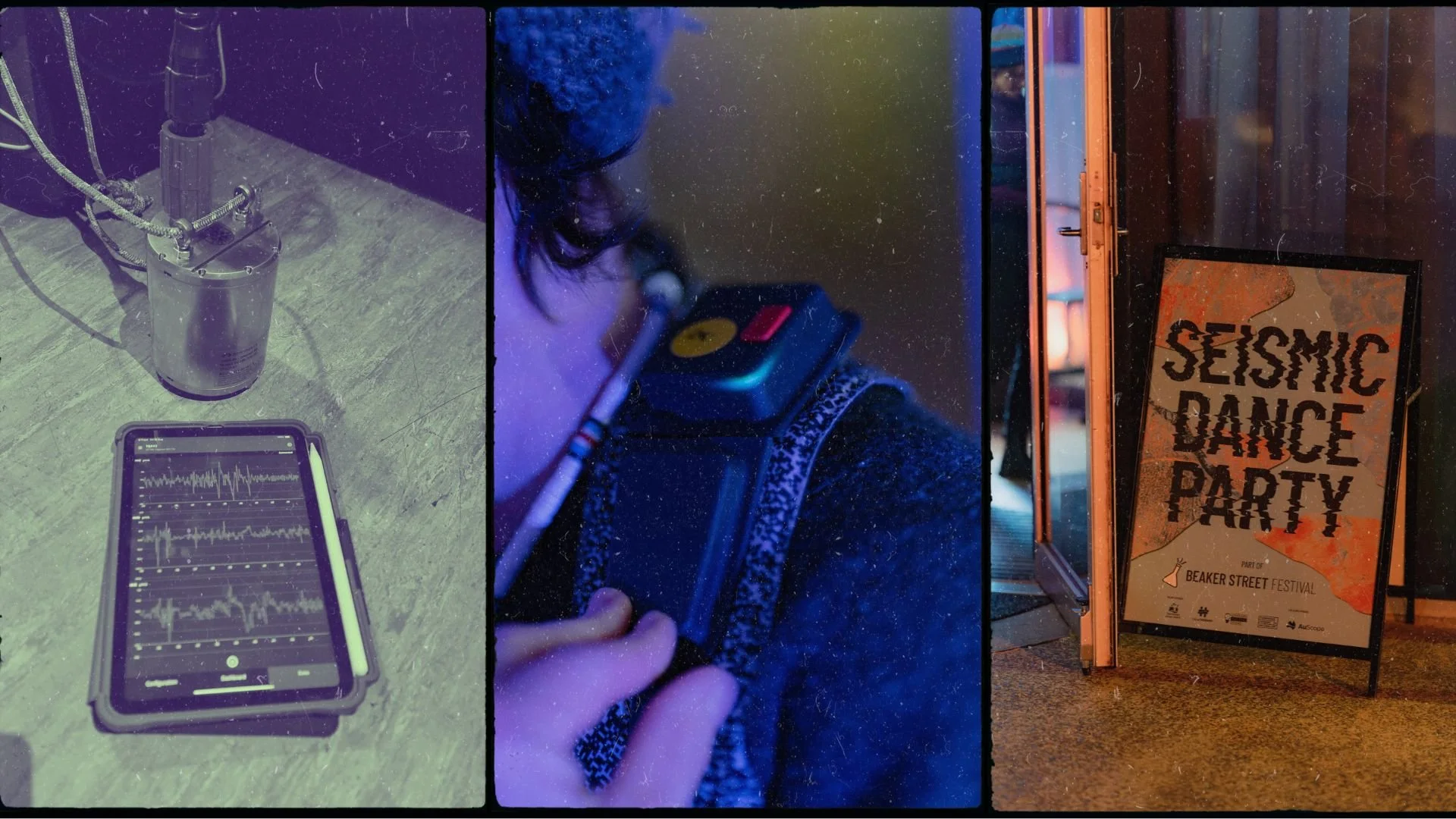
The Beaker Street Festival is a major science and arts event held each year during National Science Week in Hobart, attracting thousands of visitors.
The seismic dance event welcomed more than 200 participants across two nights. Audience members described the experience as powerful, immersive and thought-provoking.
“My favourite memory is the pulsing points on different areas of my body and watching people transfixed by it, experiencing the same thing.”
“It put me in the shoes of a hearing-impaired person and how I may continue to enjoy music, but in a very different way.“
Impact
The project demonstrated ways research infrastructure can connect with public audiences.
Translating complex geophysical data into an accessible sensory experience
Bringing Antarctic climate science into a creative public setting
Supporting inclusive participation for deaf and hard-of-hearing audiences
Showcasing the value of NCRIS enabled research infrastructure
Creating a memorable science engagement experience during National Science Week
By transforming seismic data into sound and movement, the project showed how Earth science can be communicated in powerful new ways that connect research with culture, creativity and community.
AuScope in Antarctica
Find out about our activity in Antarctica in our case study: AuScope in Antarctica: Unlocking climate-response secrets hidden beneath the ice, or take a look at our projects below.


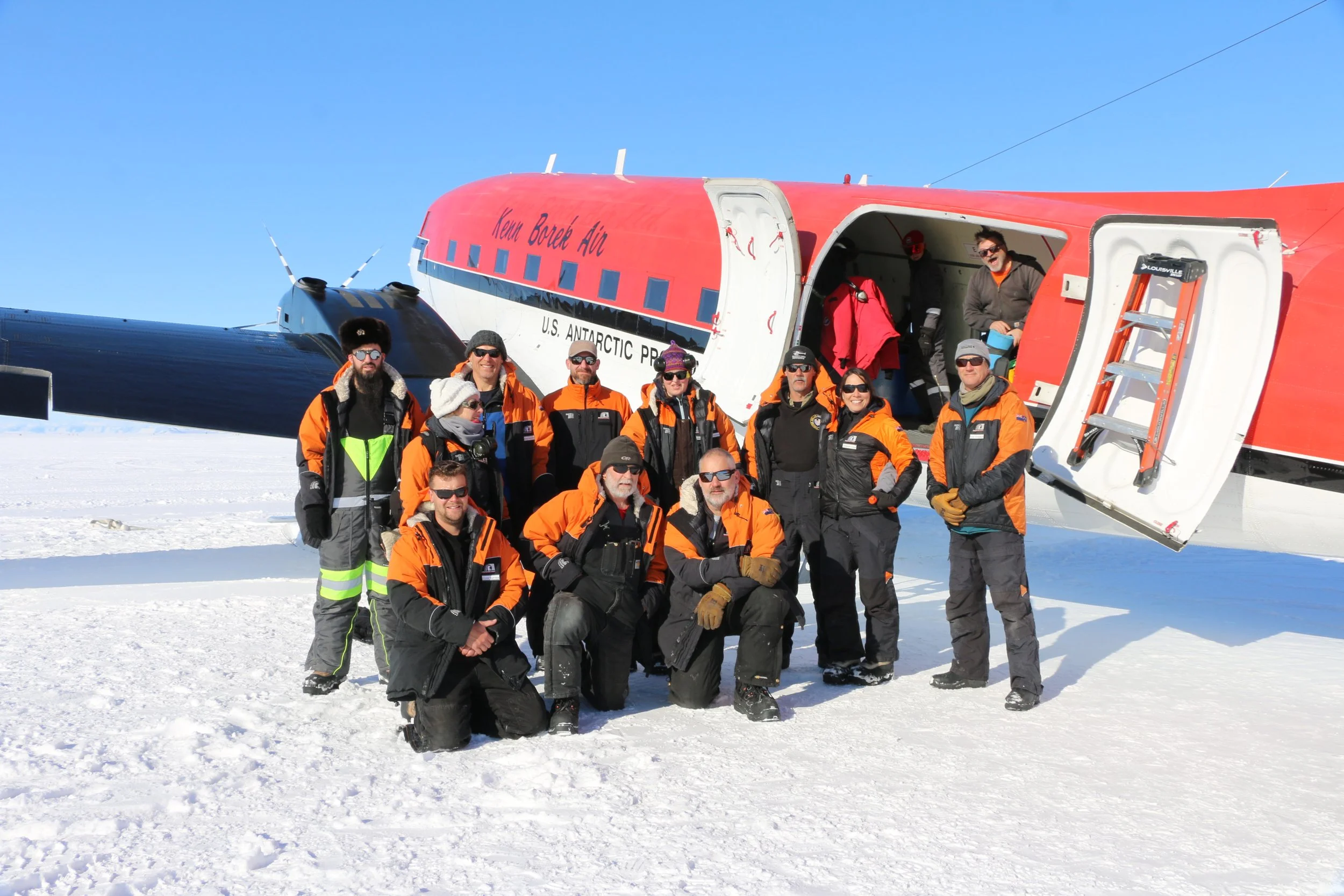
Key People and Organisations
For future collaborative outreach activity, please contact info@auscope.org.au
Case Study
AuScope’s NCRIS enabled seismic data from Antarctica’s Denman Glacier was transformed into an immersive dance experience at Tasmania’s Beaker Street Festival.
Author
Philomena Manifold
