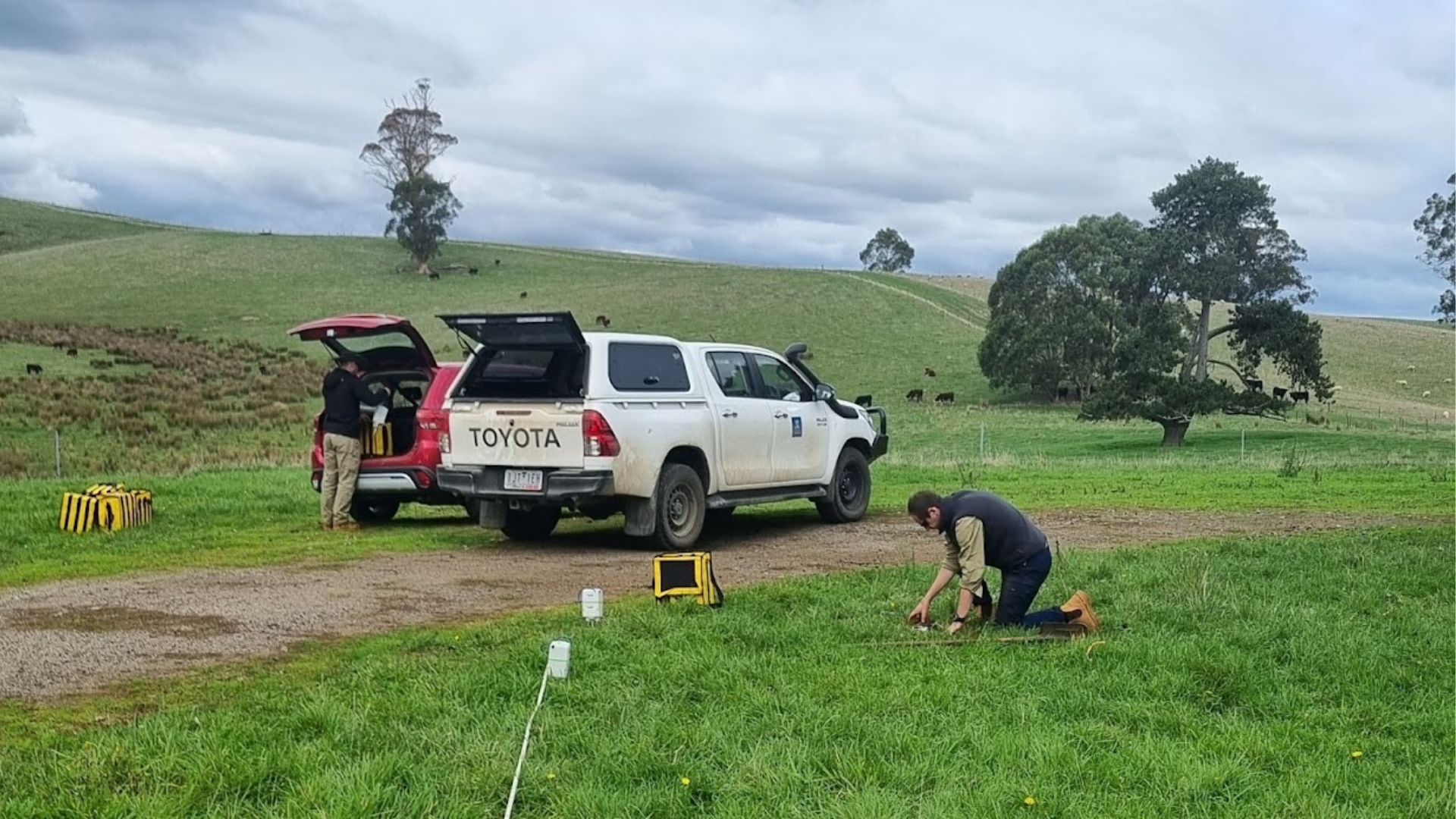
The Subsurface Observatory project will focus on strengthening Australia’s shallow crustal monitoring capability by integrating seismic arrays, surface motion instrumentation, and advanced petrophysical analysis.
Read More
The Subsurface Observatory project will focus on strengthening Australia’s shallow crustal monitoring capability by integrating seismic arrays, surface motion instrumentation, and advanced petrophysical analysis.
Read MoreThe Geophysical Research Infrastructure for Antarctica (GRIT) project aims to advance Antarctic research with specialised geophysical instrumentation tailored to the continent's extreme conditions. It now enters phase 3, after successfully completing phases 1 & 2.
Read MoreThe 'Interactive atlas of the Earth's evolution' project implemented a digital Model Atlas designed to curate, share, and distribute numerical simulations created with cutting-edge software.
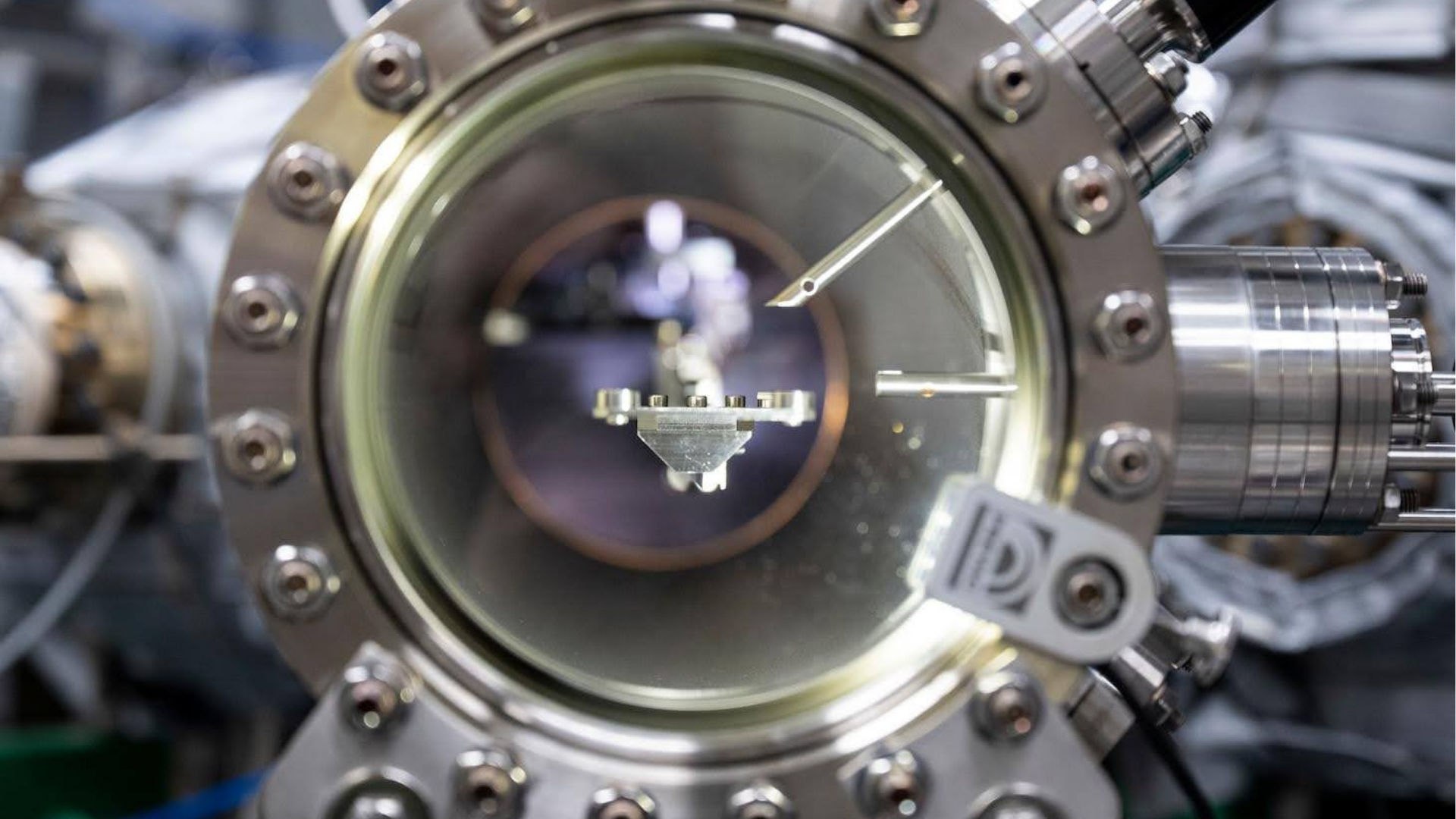
Read MoreThis project aimed to advance critical minerals research by providing access to the Geoscience Atom Probe (GAP) Facility at Curtin University, enabling nanoscale analysis of mineral elements crucial for Australia's economic and security interests.
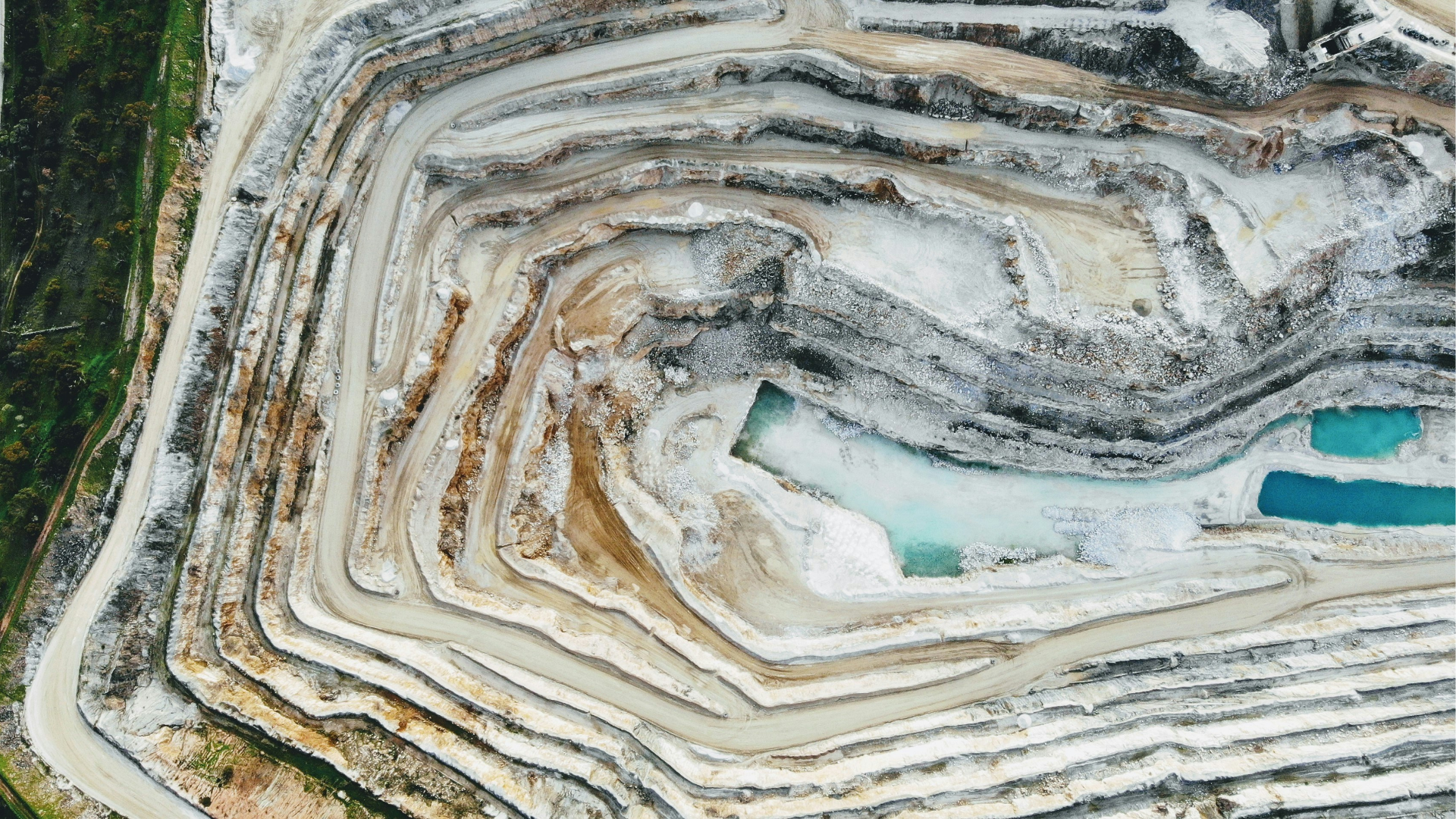
Read MoreThis project was developed by the Sustainable Minerals Institute (SMI) at the University of Queensland to overcome the challenge of inconsistent and non-standardised data relating to critical minerals and mine tailings.
Read MoreGeophysics 2030 developed a national, high resolution and fully integrated geophysical data collection, leveraging historical and contemporary datasets to enhance large scale data processing capabilities.
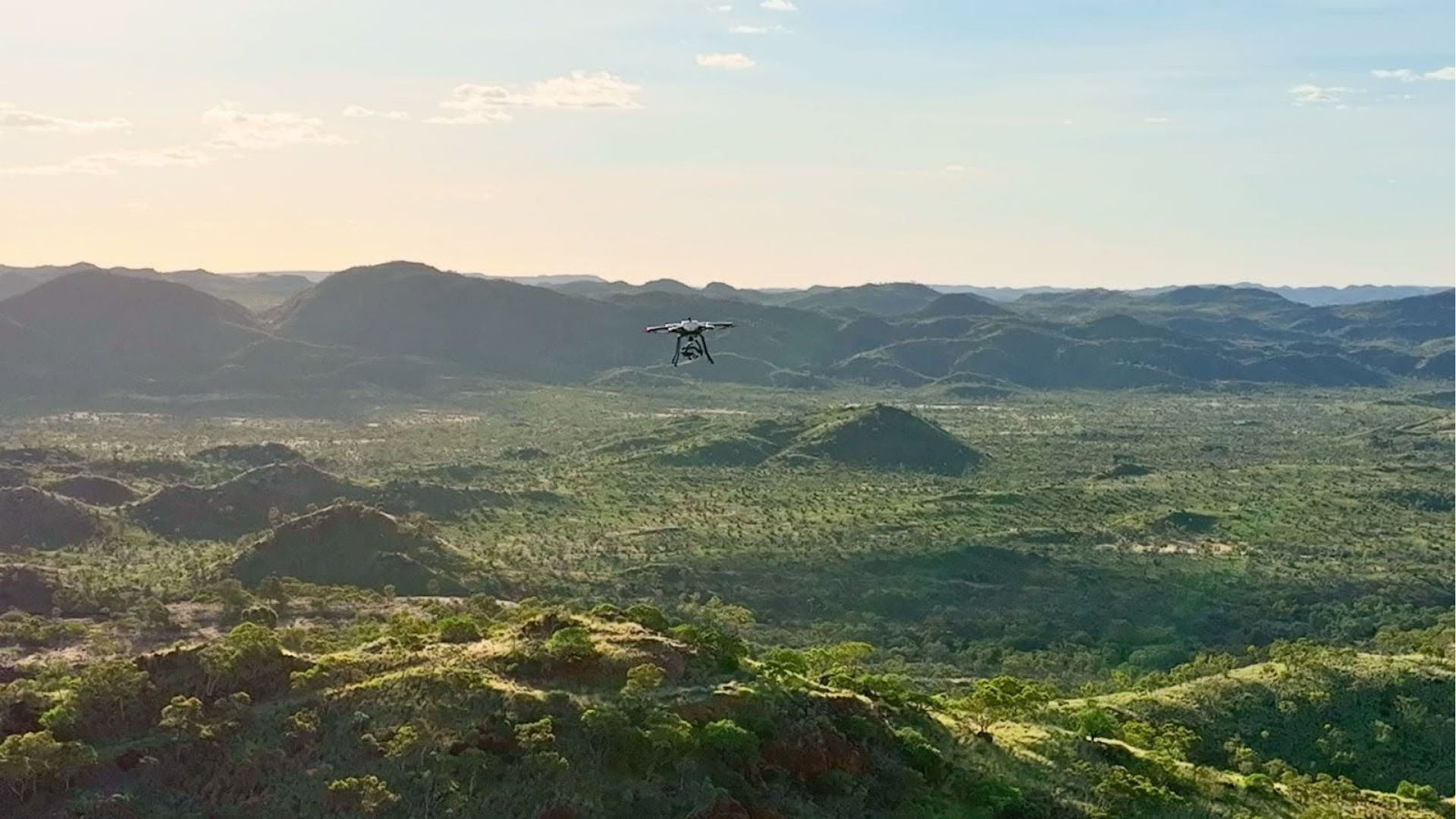
Read MoreEarthDrone is a national drone infrastructure project that enables the remote deployment of lightweight fluxgate magnetometers for geomagnetic depth sounding (GDS). Designed for mineral exploration in remote or culturally sensitive areas, it offers a scalable, low-cost solution for mapping subsurface structures using drone swarms and long-period magnetic sensing.
Read MorePlate tectonics, volcanism, epeirogenic motions, hotspots, basin formation, episodes of mountain building, igneous intrusions, metamorphism — all are consequences of the flow of heat within the Earth at the mantle and lithosphere scale.
Read MoreAuScope is unlocking new insights into geological processes crucial for accumulating critical mineral deposits via revolutionising Sr-isotope micro-analysis in a range of geological materials using cutting-edge laser ablation multi-collector mass spectrometry (LA-MC-ICP-MS).
Read MoreG-Adopt is a platform that integrates observational data with dynamics, physics, and chemistry. It leverages recent advancements in datasets and inversion methods to enhance geoscientific modelling.
Read More