The ‘Magnetometers-in-Schools’ project aims to develop a pilot outreach program for schools by deploying magnetometers and lesson plans to boost school curriculum in areas of Earth Science.
Read More
The ‘Magnetometers-in-Schools’ project aims to develop a pilot outreach program for schools by deploying magnetometers and lesson plans to boost school curriculum in areas of Earth Science.
Read MoreGroundwater sampling will receive a boost through the combined effort of the CSIRO and University of Adelaide’s noble gas facilities to contribute to the development of the AusGeochem database and subsequent research in water security and industry sectors.
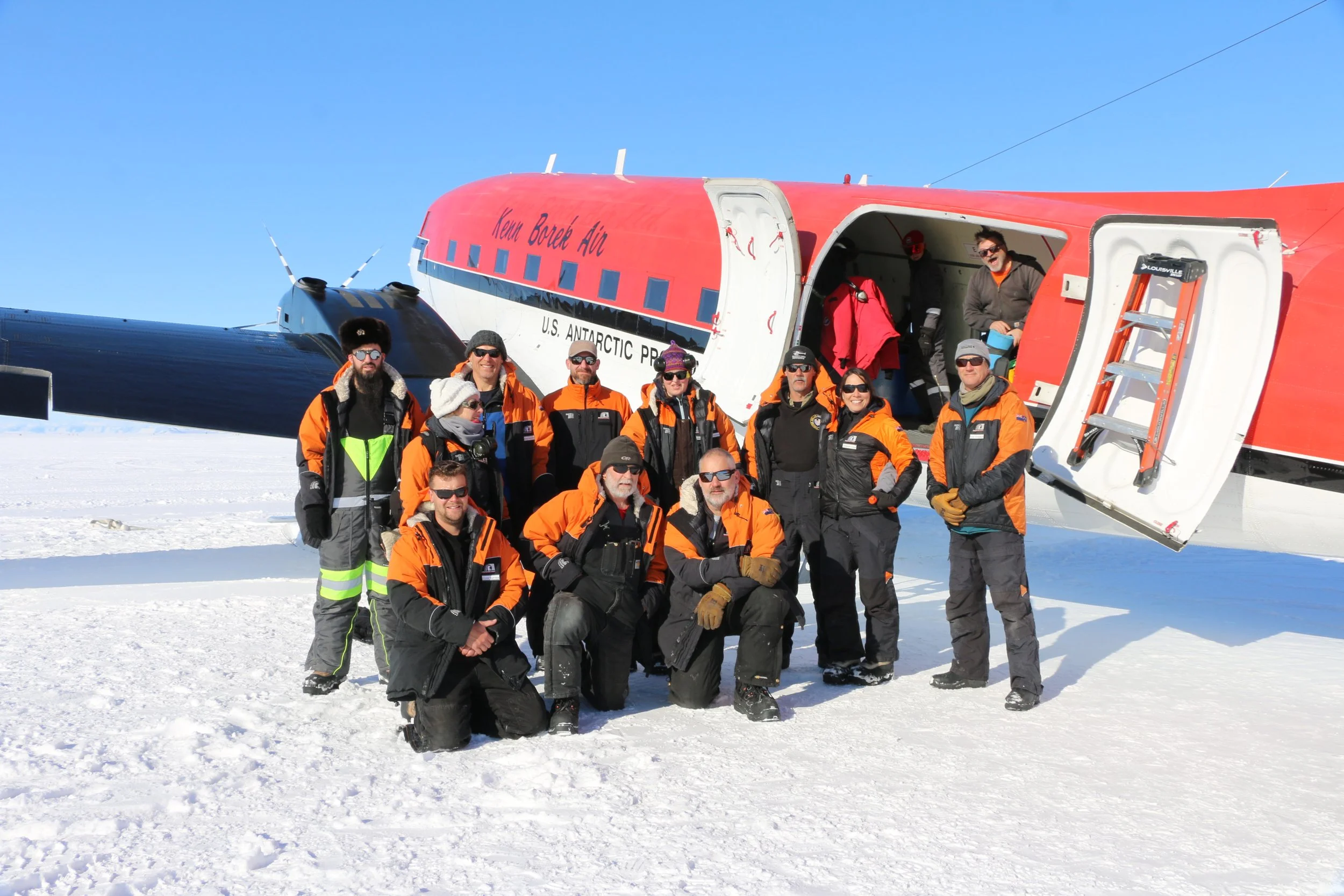
Read MoreThe Geophysical Research Infrastructure for Antarctica (GRIT) project aims to advance Antarctic research by deploying specialised geophysical instrumentation tailored to the continent's extreme conditions.
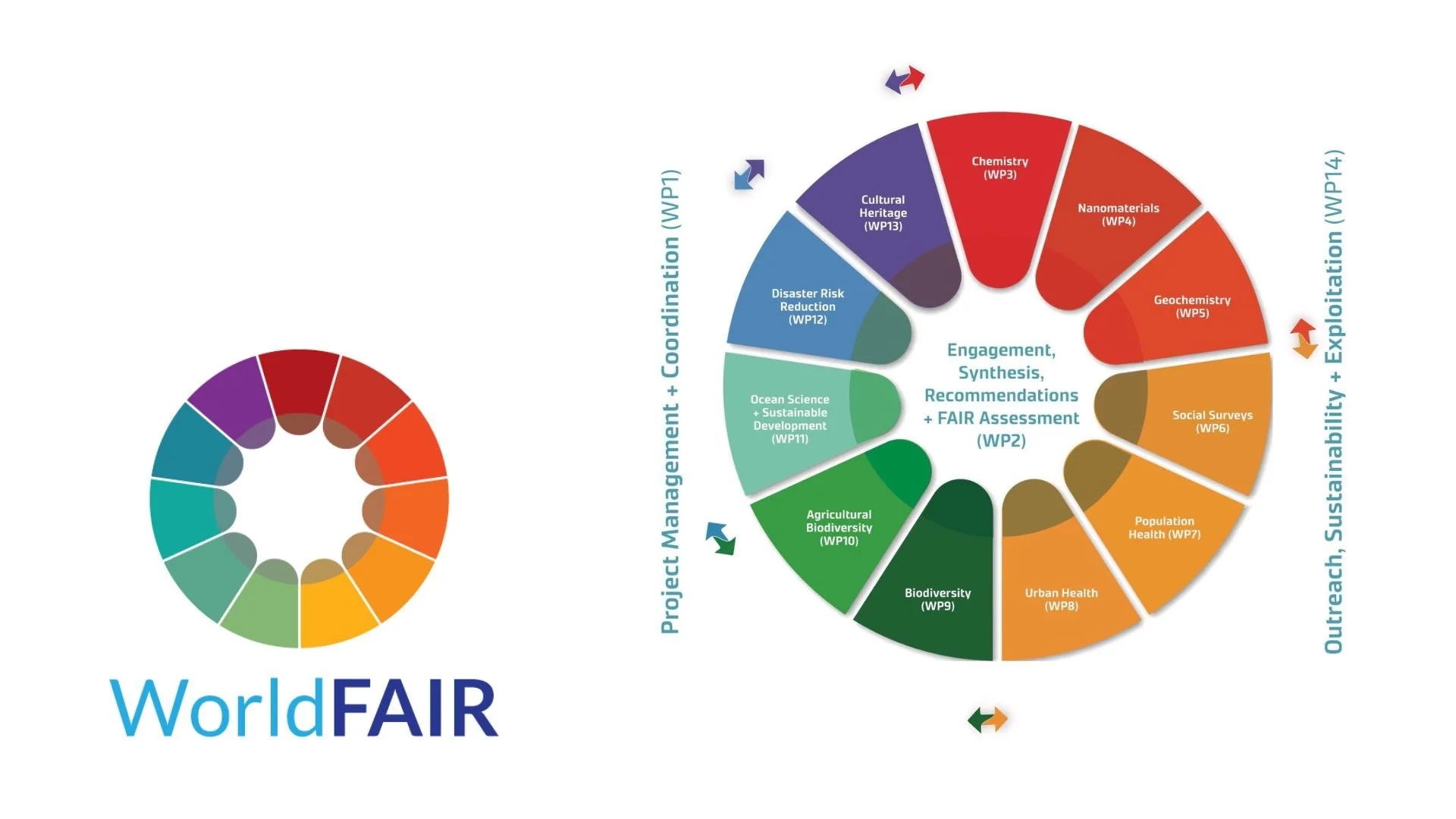
Read MoreThe WorldFAIR project evaluated global FAIR data policies and practices through a series of international case studies, with the aim of developing frameworks and recommendations to improve the accessibility, interoperability and reuse of research data.
Read MorePlate tectonics, volcanism, epeirogenic motions, hotspots, basin formation, episodes of mountain building, igneous intrusions, metamorphism — all are consequences of the flow of heat within the Earth at the mantle and lithosphere scale.
Read MoreCommon Framework for Inference (CoFI) aims to address inference problems within Earth Sciences, irrespective of size and scope, by capturing inherent commonalities present in all types of inverse problems, independent of the specific methods employed to solve them.
Read MoreAuScope is unlocking new insights into geological processes crucial for accumulating critical mineral deposits via revolutionising Sr-isotope micro-analysis in a range of geological materials using cutting-edge laser ablation multi-collector mass spectrometry (LA-MC-ICP-MS).
Read MoreThe AGN+ project piloted the expansion of the AuScope Geochemistry Network (AGN) through the addition of several new university geochemistry analytical facilities to enhance accessibility to key geochemical data sets.
Read MoreG-Adopt is a platform that integrates observational data with dynamics, physics, and chemistry. It leverages recent advancements in datasets and inversion methods to enhance geoscientific modelling.
Read MoreLand-2-Sea Geoscience (L2SG) project focuses on deploying innovative drilling technology to contribute to the global scientific understanding of Antarctic ice dynamics.
Read MoreThe GPlates App is a powerful tool that enables users to reconstruct and visualise spatial data through geological time. Built on top of the acclaimed plate reconstruction software, the App benefits from the feature-rich web APIs and the flexible software architecture of its underlying technology.
Read MoreThe Critical Zone is the surface environment where complex interactions between soil, water, air, and organisms help regulate natural ecosystems and life-sustaining resources.
Read MoreSecuring advanced analytical technology for novel minerals exploration research
Read MoreThe Australian Atom Trap Trace Analysis (ATTA) is a state-of-the-art sovereign facility for measuring noble gas radioisotope concentrations better than parts per trillion. It enables the full understanding of groundwater systems, with a strong focus on provenance and residence time.
Read More