
Critical Minerals
Research infrastructure for Australia’s critical mineral future
From mapping what lies beneath our feet to developing smarter ways to explore, AuScope research infrastructure is helping build a clearer picture of Australia’s critical minerals potential. Watch Science & Technology Australia ‘s Ideas to Impact video above to see this work in action.
Critical minerals are essential to technologies ranging from renewable energy and batteries to communications and advanced manufacturing. Finding new deposits is becoming increasingly challenging. Many prospective mineral systems are hidden deep beneath the surface, requiring researchers to combine geophysical imaging, geochemistry, samples, data, modelling and new sensing technologies.
How AuScope supports critical minerals
AuScope connects researchers, government and industry with national geoscience infrastructure, data, tools and expertise to better understand Australia’s geology and support smarter, safer and more efficient critical minerals exploration.
Our critical mineral case studies
Australia’s critical minerals are essential to clean energy and modern technologies, but new deposits are becoming harder to find. AuScope’s NCRIS-enabled research infrastructure is helping unlock Australia’s mineral potential through smarter, safer and more efficient exploration.
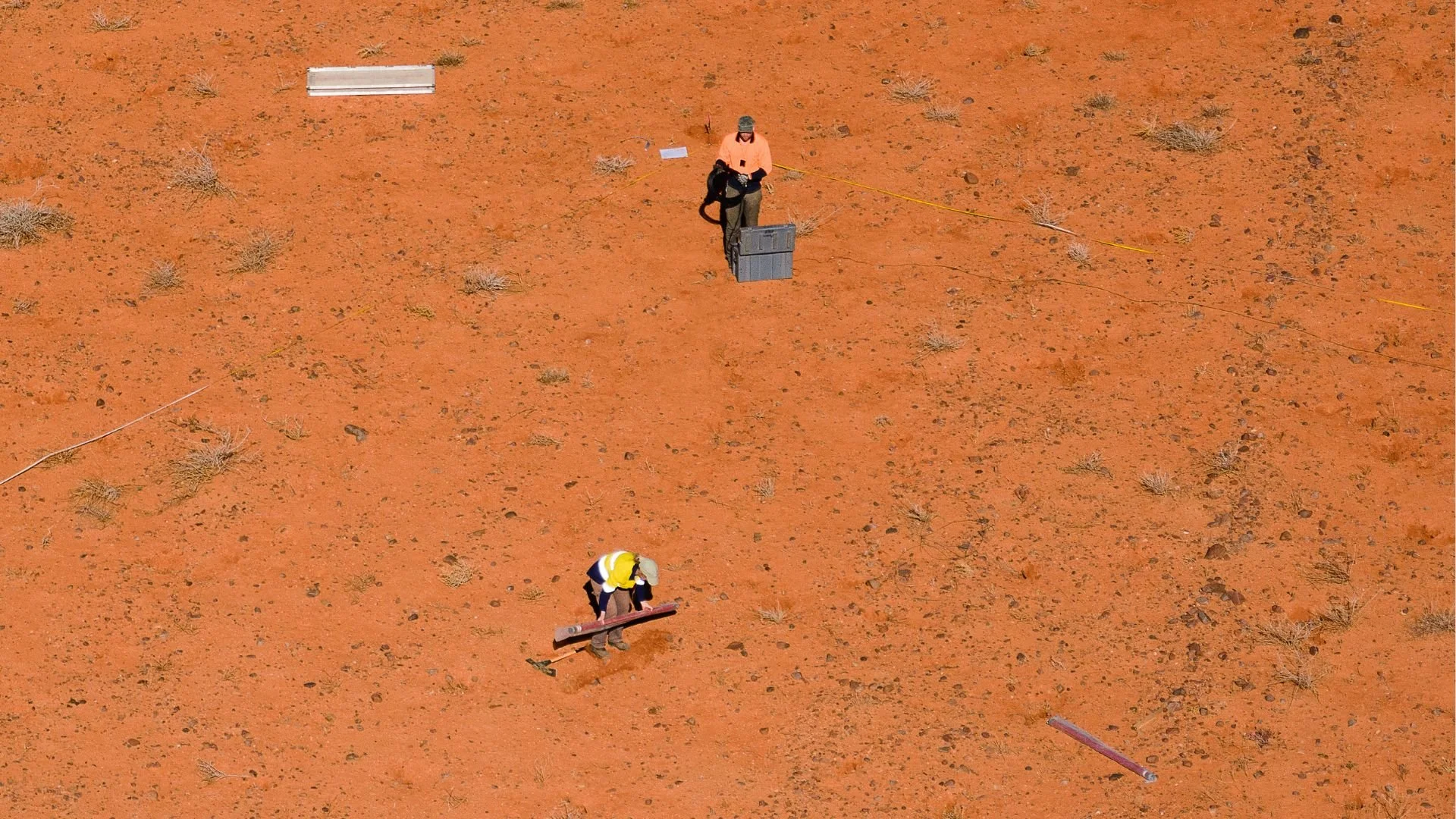
At the remote border of South Australia and New South Wales lies the Curnamona Province, an ancient geological region with a hidden story. Using NCRIS-enabled infrastructure, researchers are creating a 3D model of the deep Earth, known as the ‘Curnamona Cube,’ revealing how supercontinents formed and offering new insights without ever breaking ground.

A powerful new laser at the University of Melbourne is turbo-charging rock-dating, making thermochronology faster and sharper than ever. It is set to spark fresh insights into landscapes, ancient art, and hidden mineral treasures.

Discover how Australia's new HyLogger4 technology is transforming mineral exploration through advanced hyperspectral imaging, reducing environmental impact, and digitising geological data for a more sustainable and globally accessible mining future.

Professor Brent McInnes shares the history of AusGeoChem and discusses its upcoming rebrand to AuScope EarthBank – a new name that reflects the platform’s international reach and commitment to open science.

Using NCRIS-enabled laser technology, a study on the 2021 La Palma eruption demonstrates how analysing magma chemistry over time can enhance volcanic monitoring and forecasting, potentially mitigating future eruption hazards globally.

In November 2021, Chalice Mining Limited released a maiden resource statement for the Julimar polymetallic mineral deposit in WA — an exciting milestone for Chalice on the path to delivering palladium, nickel, copper and platinum for clean energy technologies. Equally impressive is the decades-long backstory to the Julimar discovery, with NCRIS enabled seismology at the heart.

What do fast wifi, aerogard and HyLogger have in common? All three are CSIRO science innovations, but the third you may not know, despite its fifteen-year history and far-reaching positive impact on the planet about to unfurl. With early NCRIS investment via AuScope, the quiet achieving HyLogger has changed the game for critical minerals hunters.
In the media
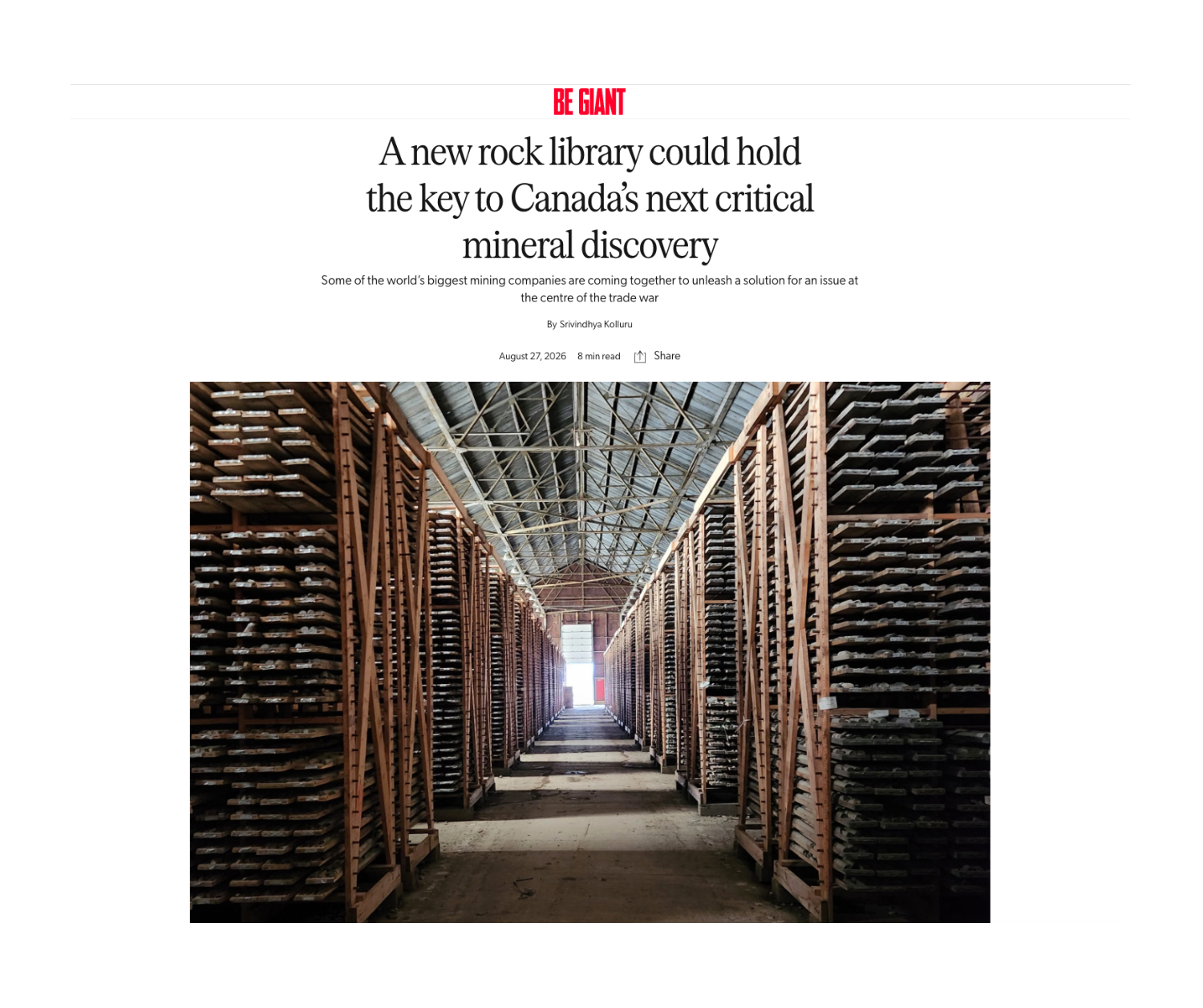
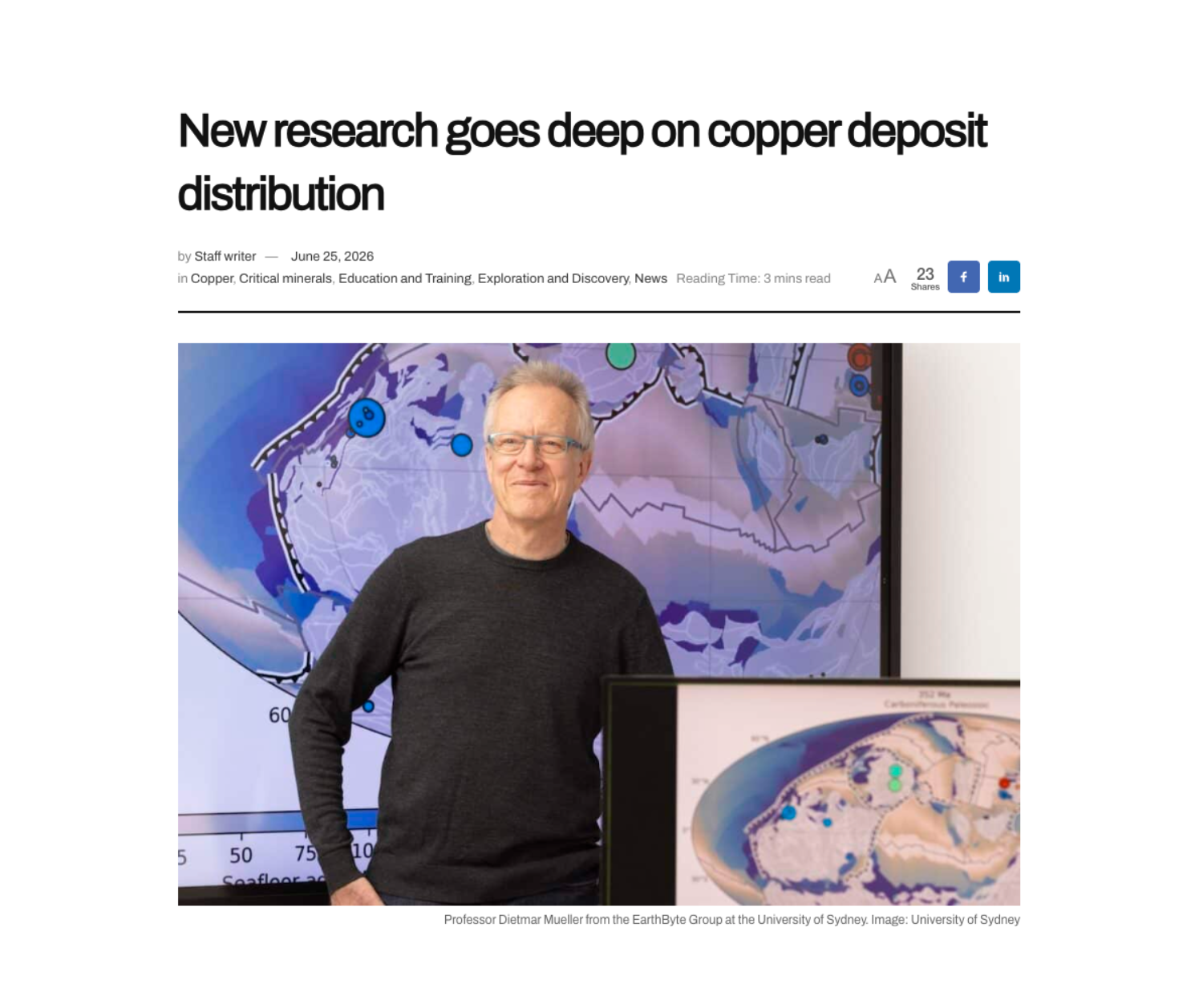
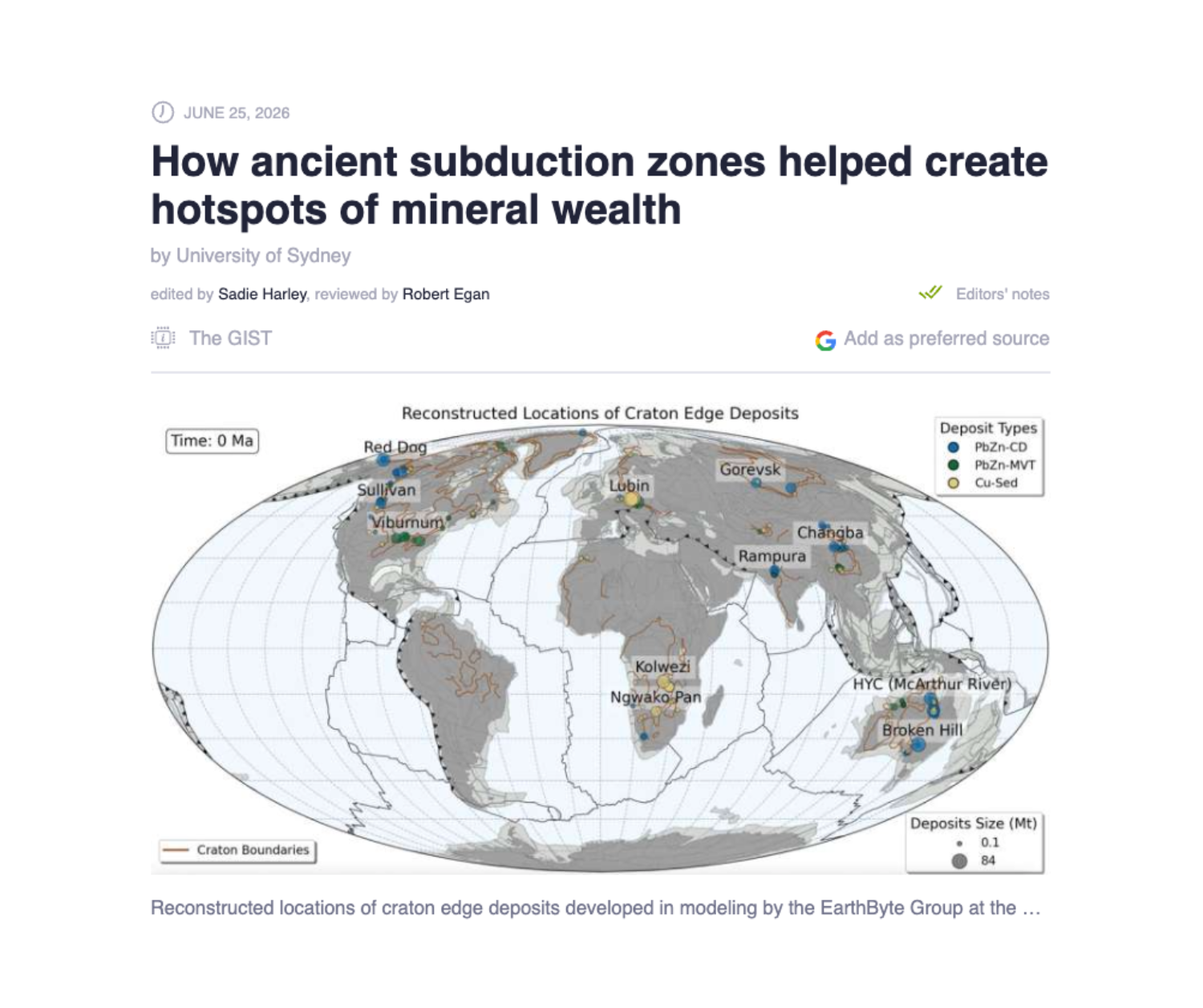


More than 100 countries, including the United States and members of the European Union, have committed to net-zero carbon emissions by 2050. The world is going to need a lot of metal, particularly copper.
Connect with AuScope expertise
Critical minerals and mineral systems


Geophysics and subsurface imaging


Autonomous Sensing
Project Lead Earthdrone
Project Lead Coast RI - EarthDrone
Research Data Systems
Project Lead Critical Minerals Database

Mineral characterisation and drill core


AuScope Virtual Research Environment (AVRE)
Program Lead AVRE
Characterisation
Project Lead Mobile Petrophysical Laboratory (MPL)

Geochemistry and geochronology


Earth Composition & Evolution (ECE)
Node Lead and Project Lead: Seeds of Science, EarthBank in the Classroom


Data, modelling and integration


AuScope Critical Mineral News
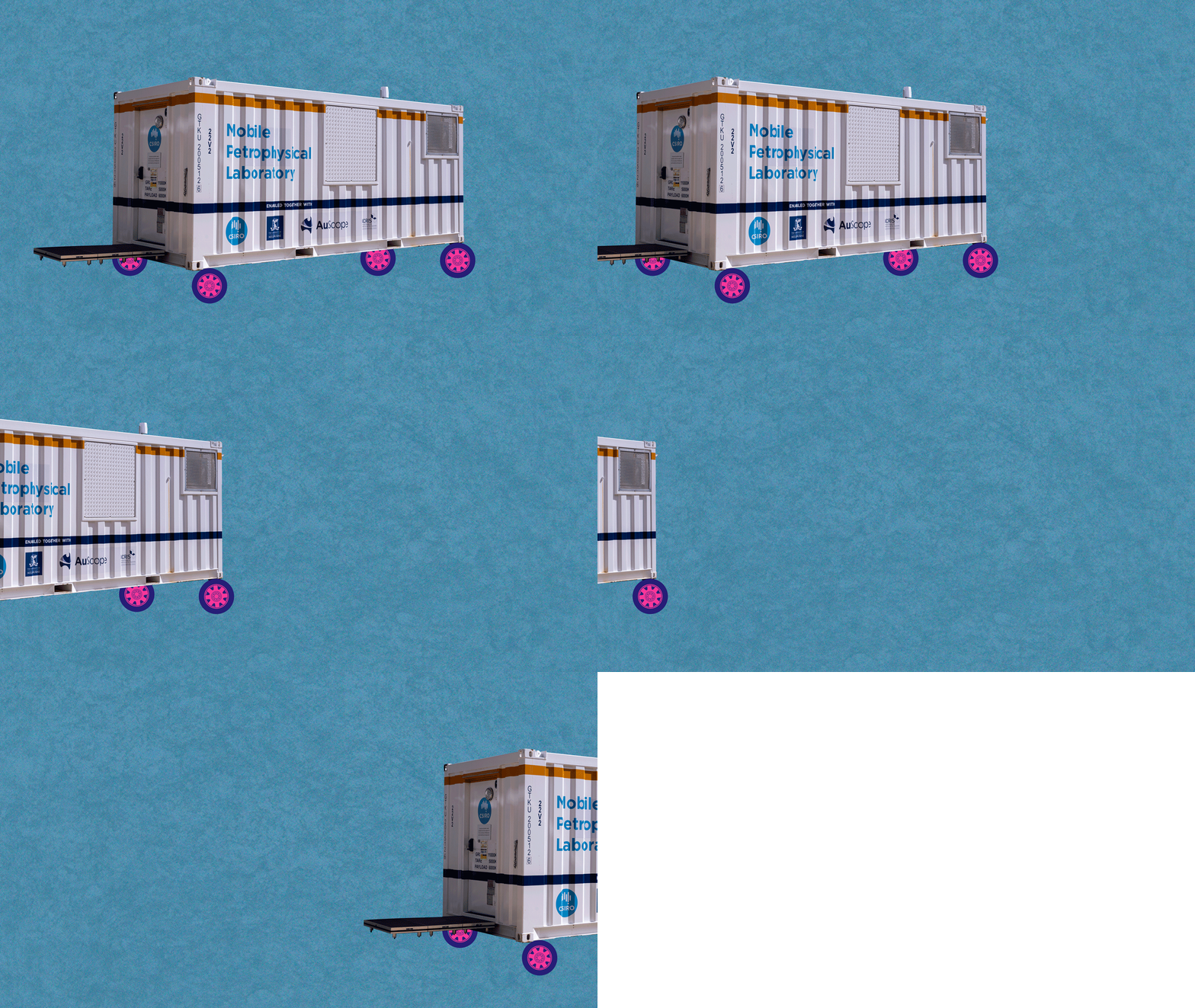
The Mobile Petrophysics Laboratory has found its groove and is rolling across the country. The first stop for this NCRIS enabled facility is the Geological Survey of South Australia where it will help scientists take a deep dive into the physical and chemical properties of rock core.

Many of us admire minerals for their array of curious habits and colours, and maybe even their acclaimed ‘healing’ properties. But geologist Monica leGras from CSIRO Mineral Resources sees them in a slightly different light…

Australia has benefited from rich mineral endowment for almost two centuries, but now faces an urgent challenge: finding enough critical minerals in more complex environments to supply low carbon economies globally.