
Celebrating Sima Mousavi: 2026 Young Tall Poppy Award winner
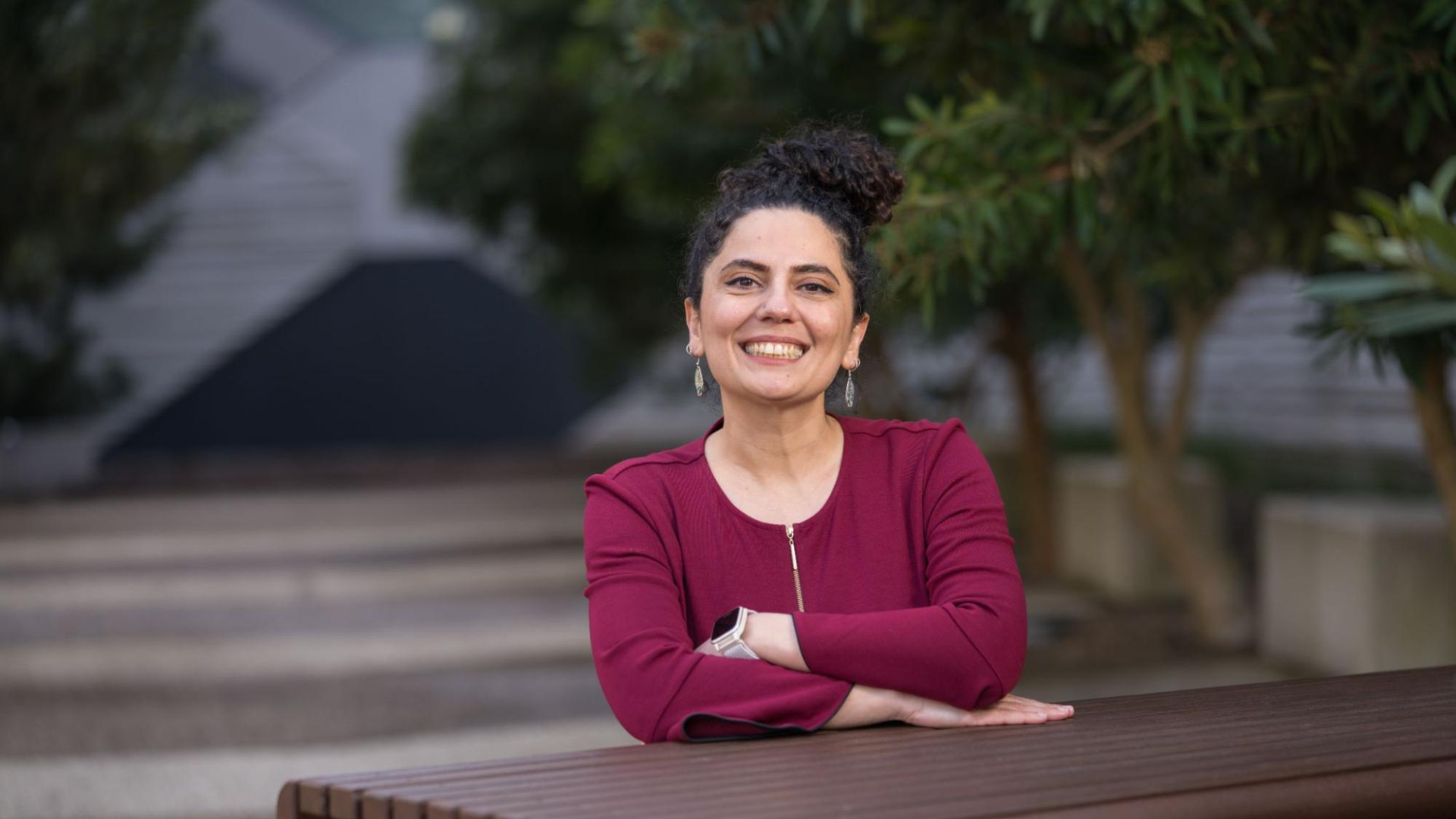
Dr Sima Mousavi, recipient of 2026 Young Tall Poppy Award. Image: Nic Vevers (ANU, CoS)
Congratulations to Sima Mousavi, Auscope’s National Outreach Manager, on receiving a 2026 Young Tall Poppy Award. Presented by the Australian Institute of Policy and Science (AIPS), these awards celebrate excellence in science and communication. Get to know Sima as we hear her reflections on her career, outreach, and the importance of connecting science with communities across Australia.
Congratulations on your Young Tall Poppy Award, Sima! What does receiving this award mean to you?
This award means a great deal to me. I came to Australia from the other side of the world, and I've built a career here that looks nothing like the one I imagined when I started out as a researcher. For a long time I quietly worried that stepping outside a traditional academic role made me less of a scientist. This award tells me it didn't. It says the way I've chosen to work, hands-on, out in schools and communities, still asking my own questions, is science too, and science worth recognising. I never planned this path, but it feels completely like me, and having it seen that way means more than I can easily say.
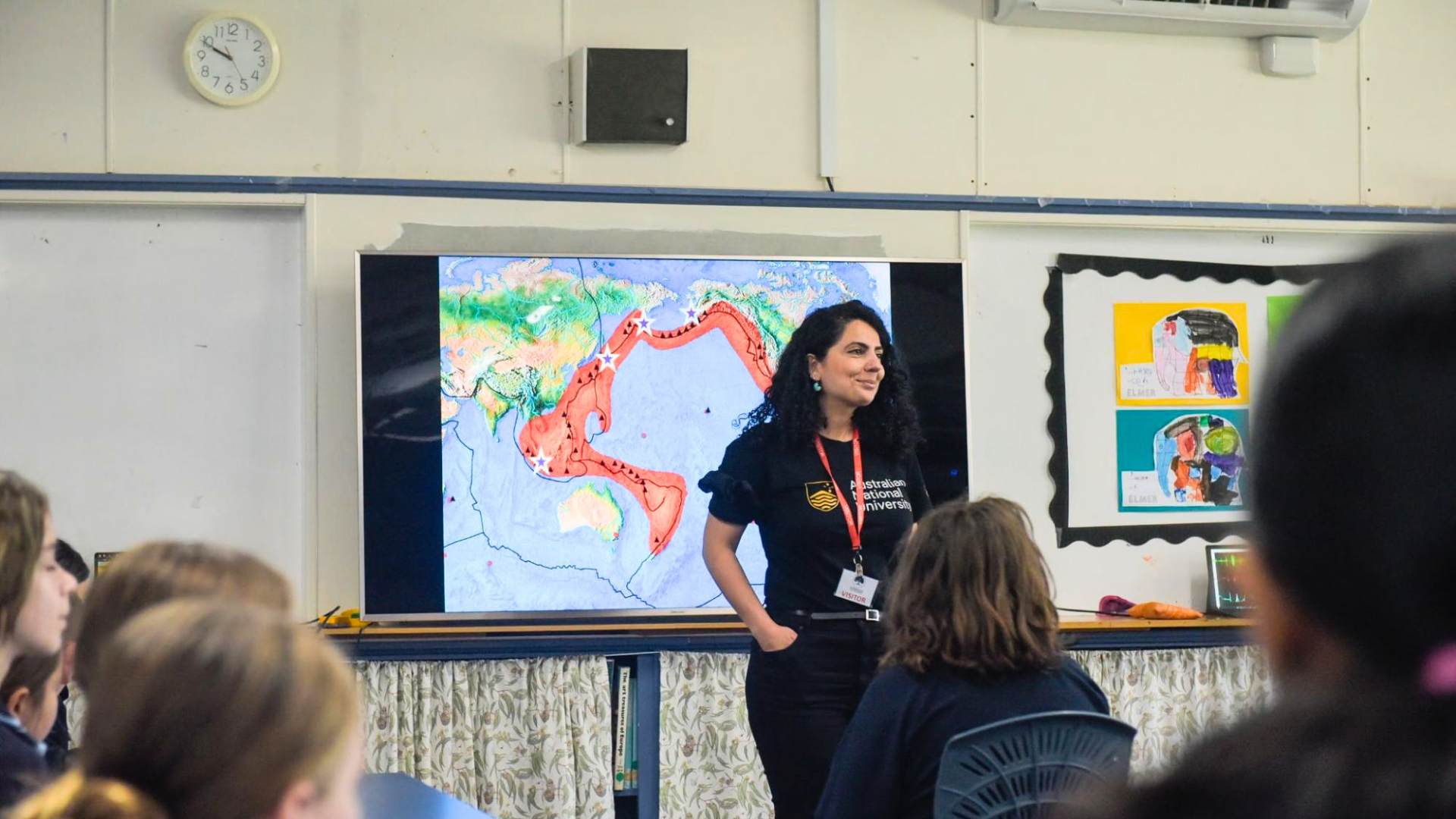
Dr Sima Mousavi presenting to a classroom of students during an outreach activity. Image: Jo Condon, AuScope
Looking back over your career so far, what first sparked your interest in seismology, and how did that grow into a passion for science outreach?
I originally wanted to be an astronomer. I loved the idea of understanding things impossibly far away. But somewhere in my physics degree, I turned my gaze the other way and never turned it back. I sometimes say I just changed my telescope: instead of looking up at distant worlds, I use a seismometer to look down into this one.
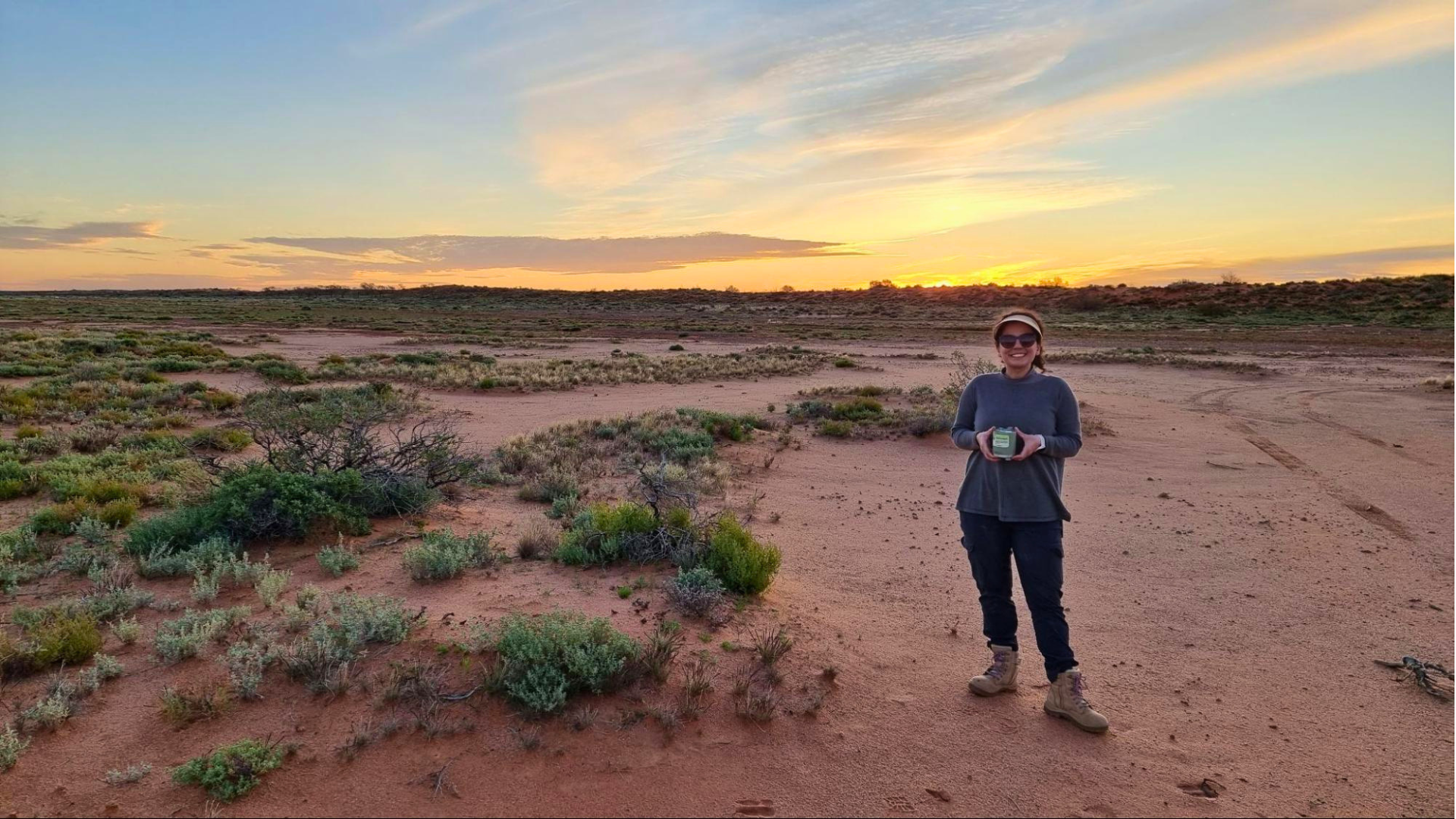
Dr Sima Mousavi on a field trip to Lake Eyre, SA. Image: Sima Mousavi
What still amazes me is that seismic waves let us read what's happening thousands of kilometres beneath our feet, in a place no human will ever go, and yet we can see inside it. That carried me from physics into geophysics, and then into seismology.
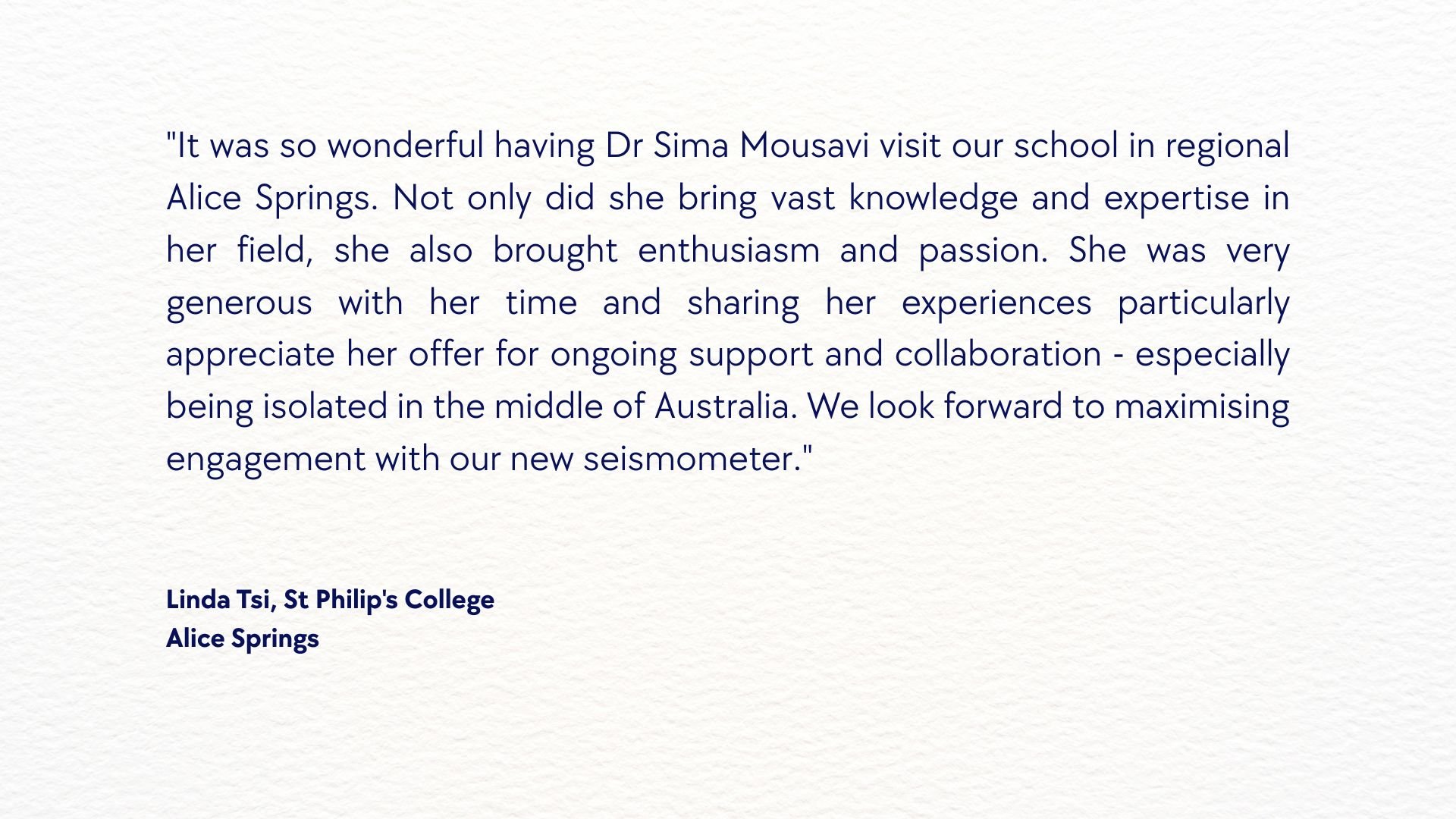
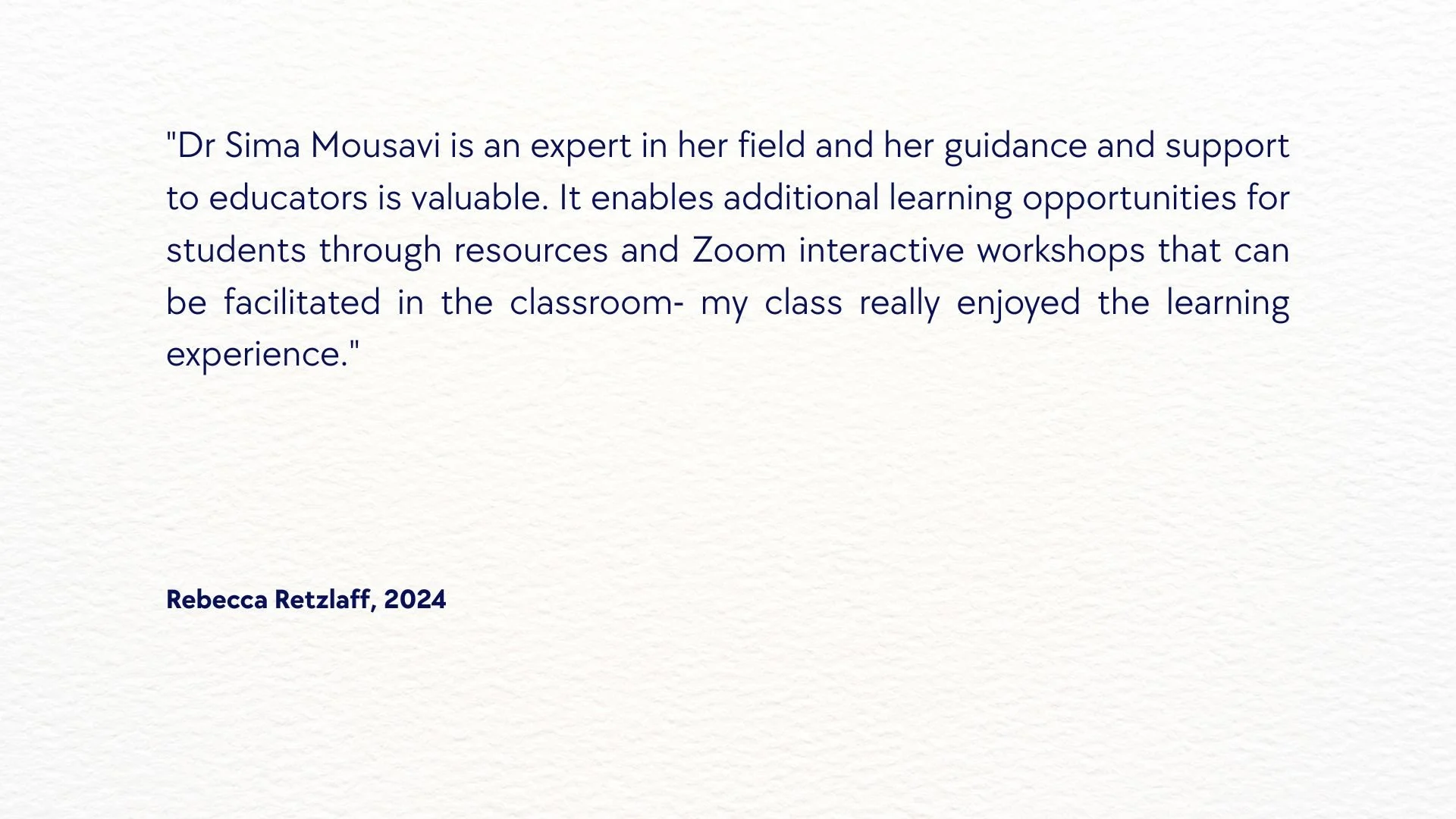
Outreach came through Australian Seismometers in Schools (AuSIS) , and honestly, it frightened me at first. English is my third language, and the thought of standing in front of a room of Australian kids and holding their attention felt genuinely daunting. But the first time I did it, something surprising happened: my accent, the thing I'd been most nervous about, didn't get in the way at all. If anything, being a bit different made the students lean in. They were curious about me, and that curiosity opened the door to the science.
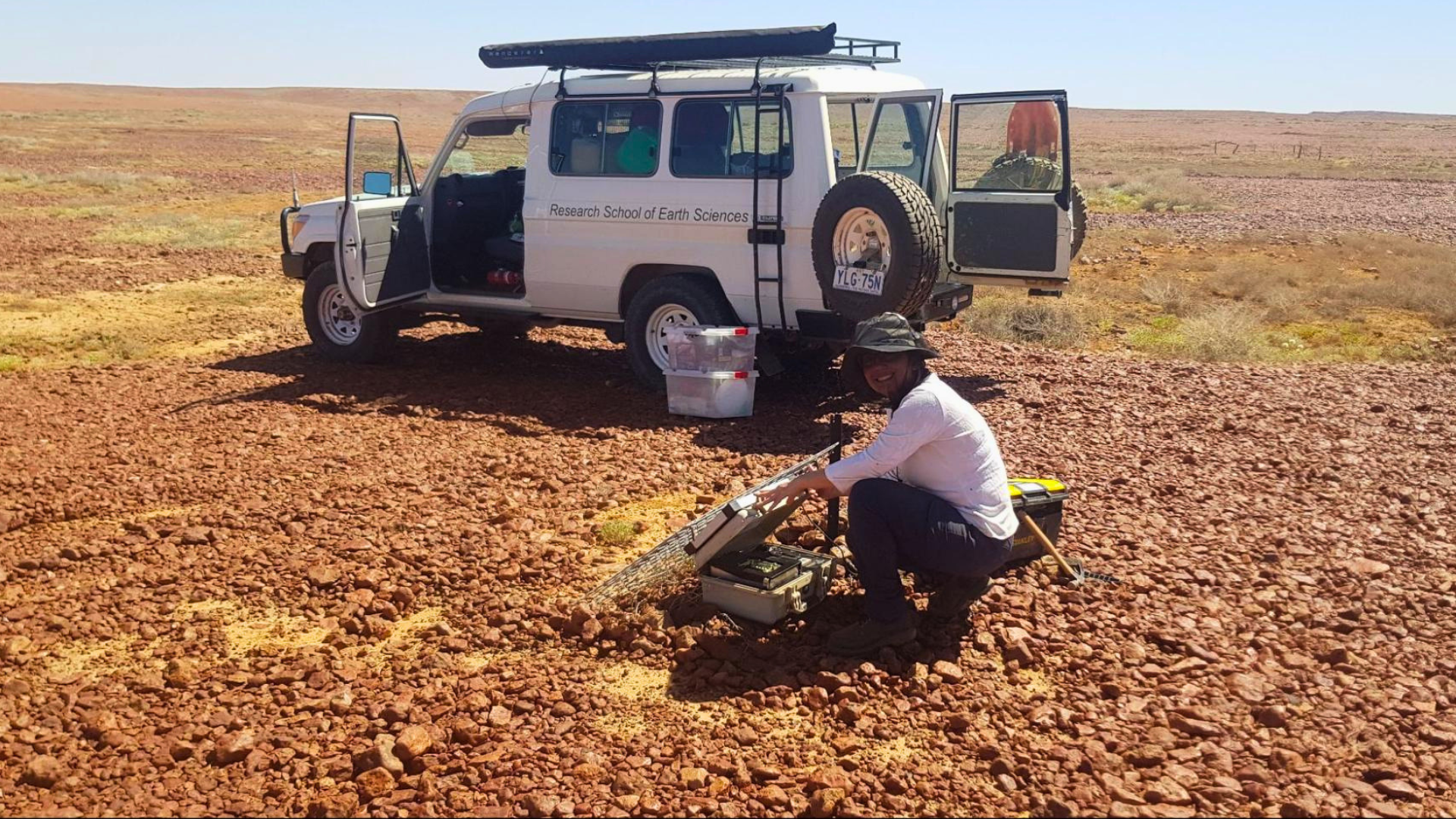
Dr Sima Mousavi on a field trip to Lake Eyre, SA. Image: Geoff Luton
I remember a workshop at Lilydale District School, a small school in northern Tasmania that hosts one of our seismometers. We spent the afternoon making the ground shake and watching the instrument catch it, and afterwards, a Year 9 student, Lauchlan, told me he now knew what he wanted to study at university.
That was the moment it truly clicked. Finding my own voice in front of a class, and then seeing it change what a young person believed was possible, that's what turned outreach from something I was scared of into some of the most important work I do.
Workshop participants at the GeoSciEd X 2026 Conference using a ‘footquake’ to spell out S-I-M-A in Morse code. Vibrations from the footquakes were recorded using a seismometer from AUSIS. Image: Cintya Dharmayanti (ScienTell)
Through AuSIS, you’ve brought earthquake science into classrooms across Australia. What impact are you most proud of, and what have you learned from bringing science into schools and communities?
What I’m most proud of is the reach of AuSIS and the relationships we’ve built around it. Australia is a huge country, and some of our schools are thousands of kilometres from the nearest university, yet they host research-grade seismometers that are recording earthquakes from around Australia and the world.
I love helping students make the connection that the instrument sitting in their own school is part of a national network, and the data it records is real data that can be used for science.
I’ve had the opportunity to work with schools in capital cities, regional towns and very remote communities, including through Seismology on Country in the APY Lands, Oak Valley and Yalata. What I’ve learned is that engagement can’t be one-size-fits-all. Every school and community is different, and the best experiences come from listening, building relationships and finding what makes the science meaningful in that place. For me, that’s the real impact of AuSIS: connecting students and communities with the science happening right where they are.
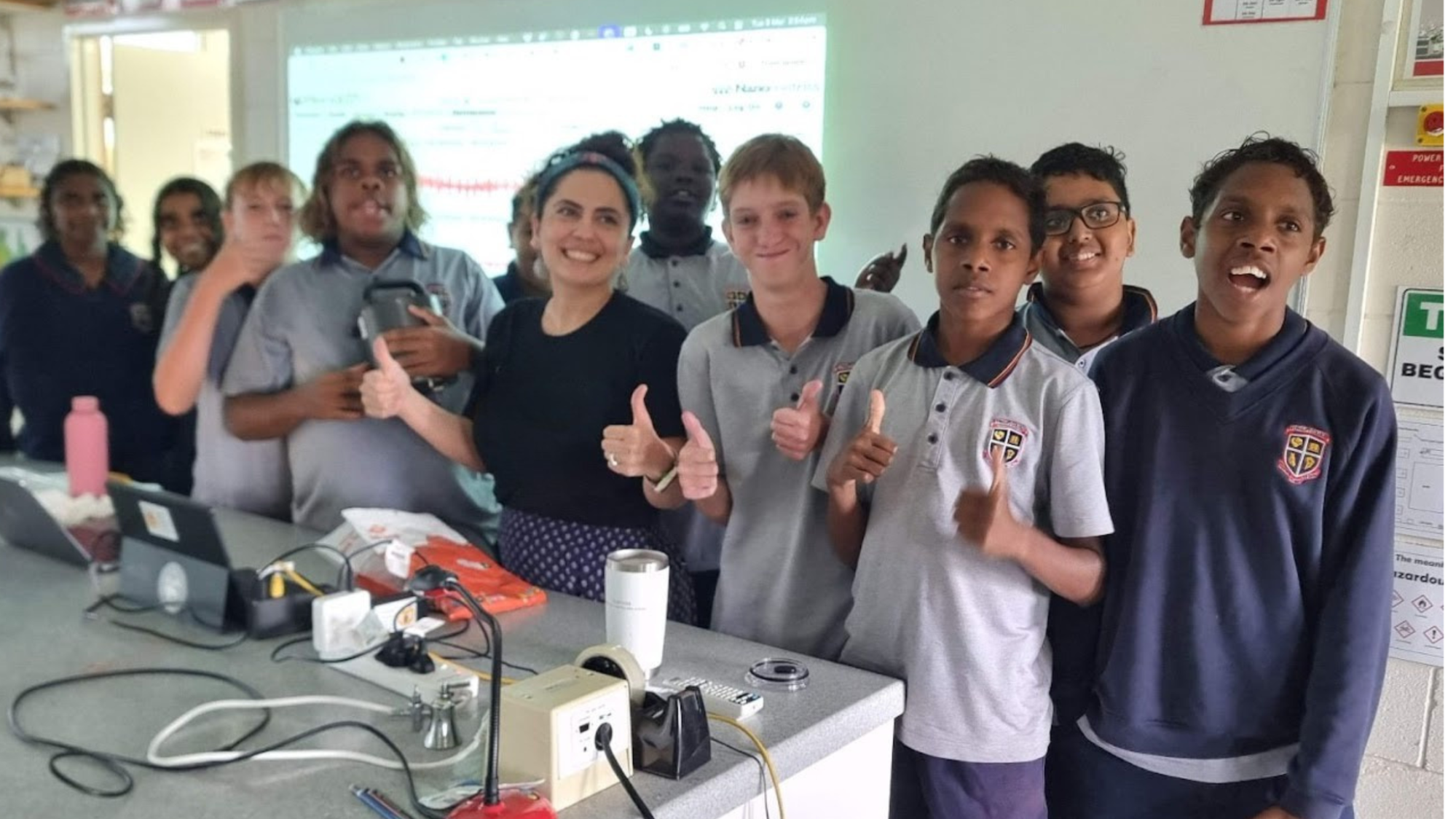
Dr Sima Mousavi visiting St Philip’s College in Alice Springs for a Seismometers in Schools workshop. Image: AuSIS
What advice would you give to young people who are curious about a career in Earth science?
I always tell students that you don’t have to give up the subject you already love to become an Earth scientist, just put “geo” in front of it and see where it takes you! I loved physics, and that became geophysics for me. If you love chemistry, there’s geochemistry; biology, geobiology; and if you love maths, coding or working with data, there is a place for all of that too.
That’s one of the things I love about Earth science: there isn’t just one way into it. My advice is to hold on to what you enjoy, stay curious, and find your own way of using it to understand the Earth.
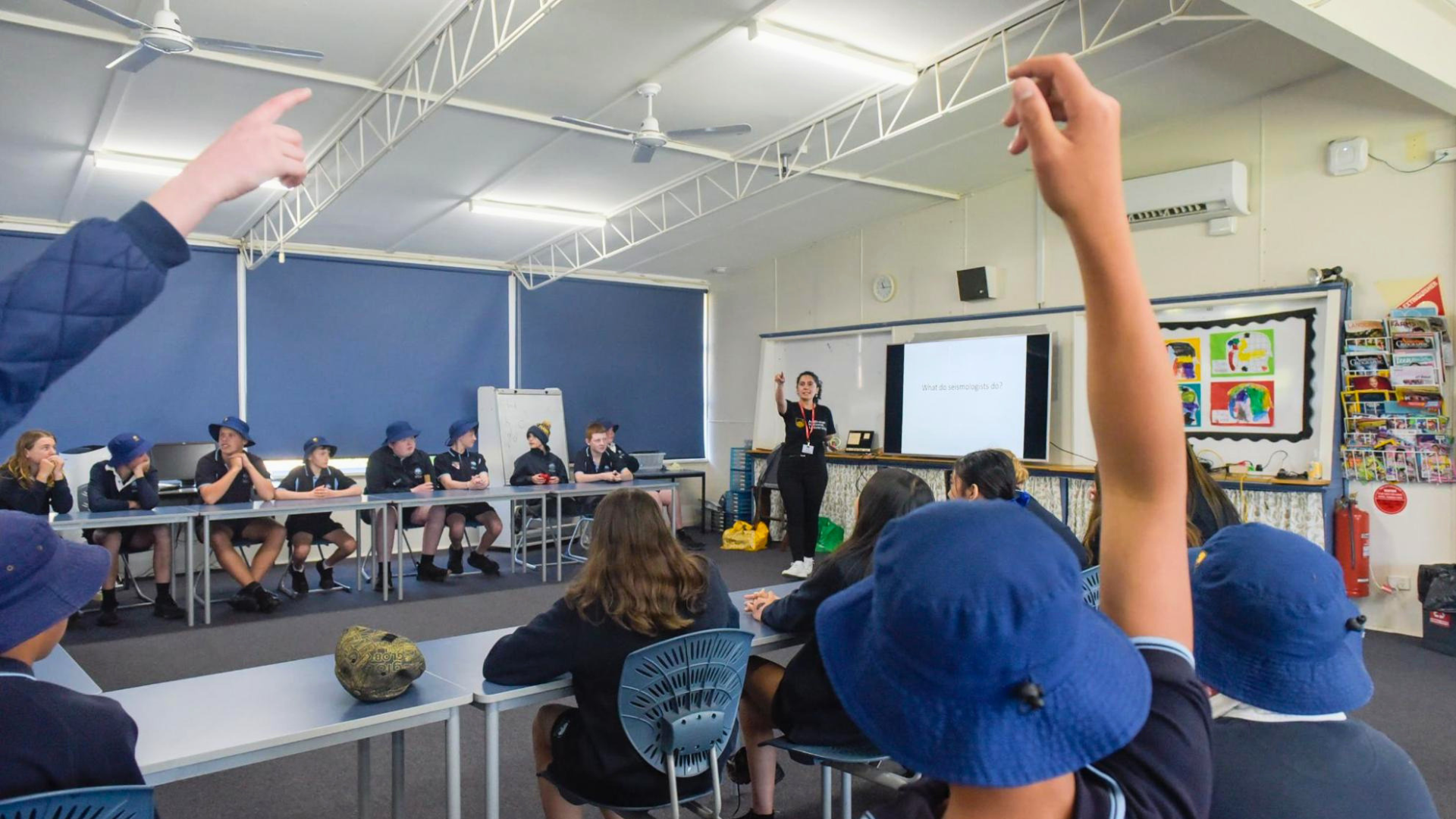
Dr Sima Mousavi delivering an AUSIS outreach session to school students. Image: Jo Condon, AuScope
Looking ahead, what keeps you curious and excited about the work you do?
I don't think I could ever fully leave research behind. Most of my time now goes to instrumentation and outreach, but I still find myself pulled back to earthquakes, especially the intraplate ones we get here in Australia. They fascinate me because they happen far from any plate boundary, where earthquakes aren't "supposed" to occur, and there's still so much we don't understand about them.
I love the instrument side too. There's something quietly satisfying about knowing a station I installed in some remote place is recording the Earth every day, producing data a researcher might use years from now.
What keeps me excited is that these things feed each other. The questions I chase in my research are the ones that light up a classroom. That connection is what makes the work feel whole, and I don't think I'll ever run out of it.
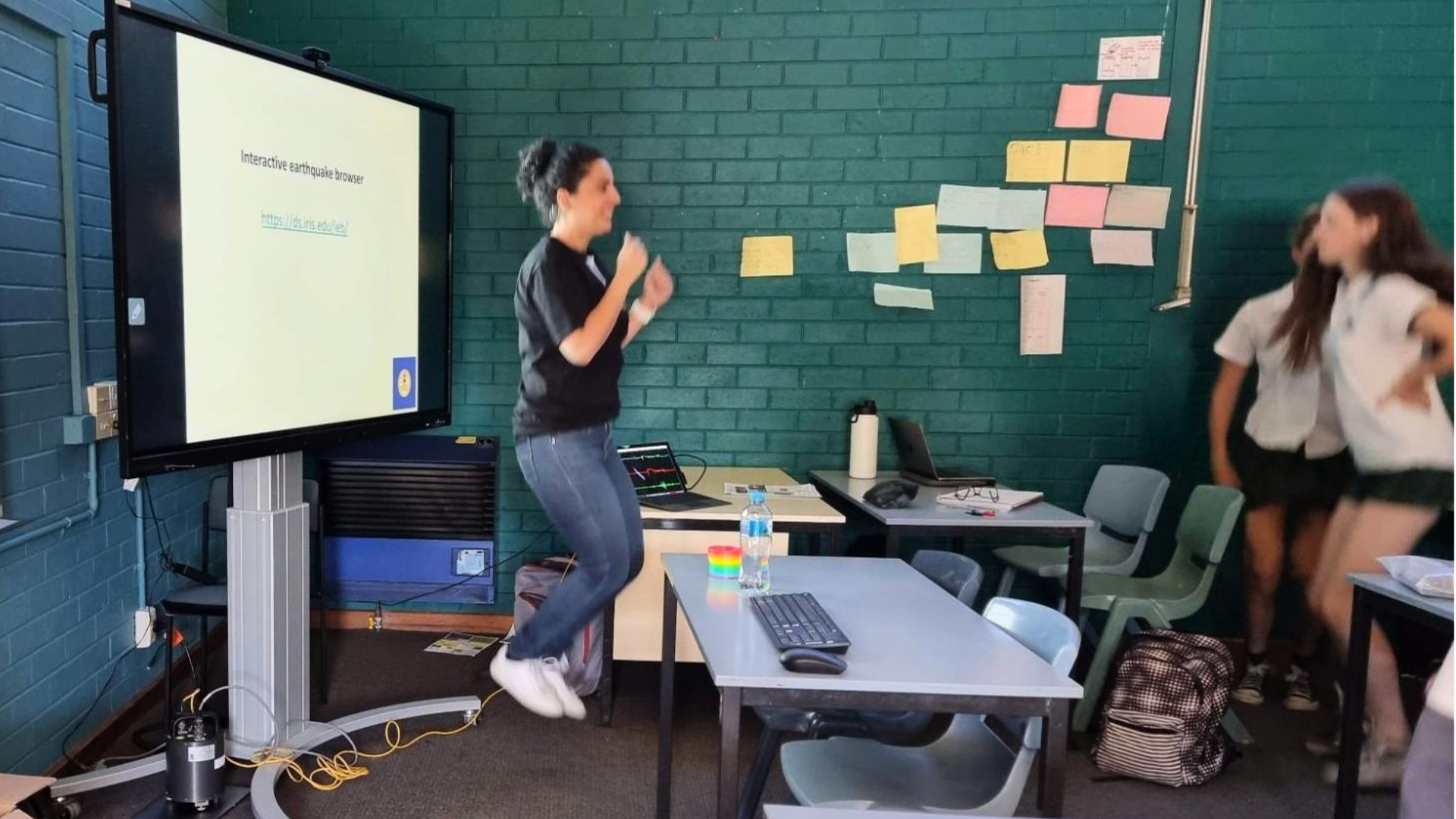
Dr Sima Mousavi and students jumping around the classroom to create ‘footquakes’ that can be sensed by a seismometer. Image: Supplied
STORY IN A NUTSHELL
Get to know Dr Sima Mousavi, AuScope’s National Outreach Manager and 2026 Young Tall Poppy Award winner, as she reflects on her unexpected journey from physics to seismology, finding her voice in science outreach, and inspiring young people to get curious about the Earth.
A conversation between
Dr Sima Mousavi and Cintya Dharmayanti (ScienTell)
FURTHER INFORMATION

Based at the Australian National University (ANU), Sima is an ‘earthquake detective’ who uses seismic waves to understand the Earth’s internal structure. She also leads the Australian Seismometers in Schools (AuSIS) program, which works with students and teachers to analyse real earthquake recordings using research-grade seismometers in the classroom.
