EarthBank Node | Curtin University
High-precision geochemical analysis and data integration powering Australia’s Earth science research
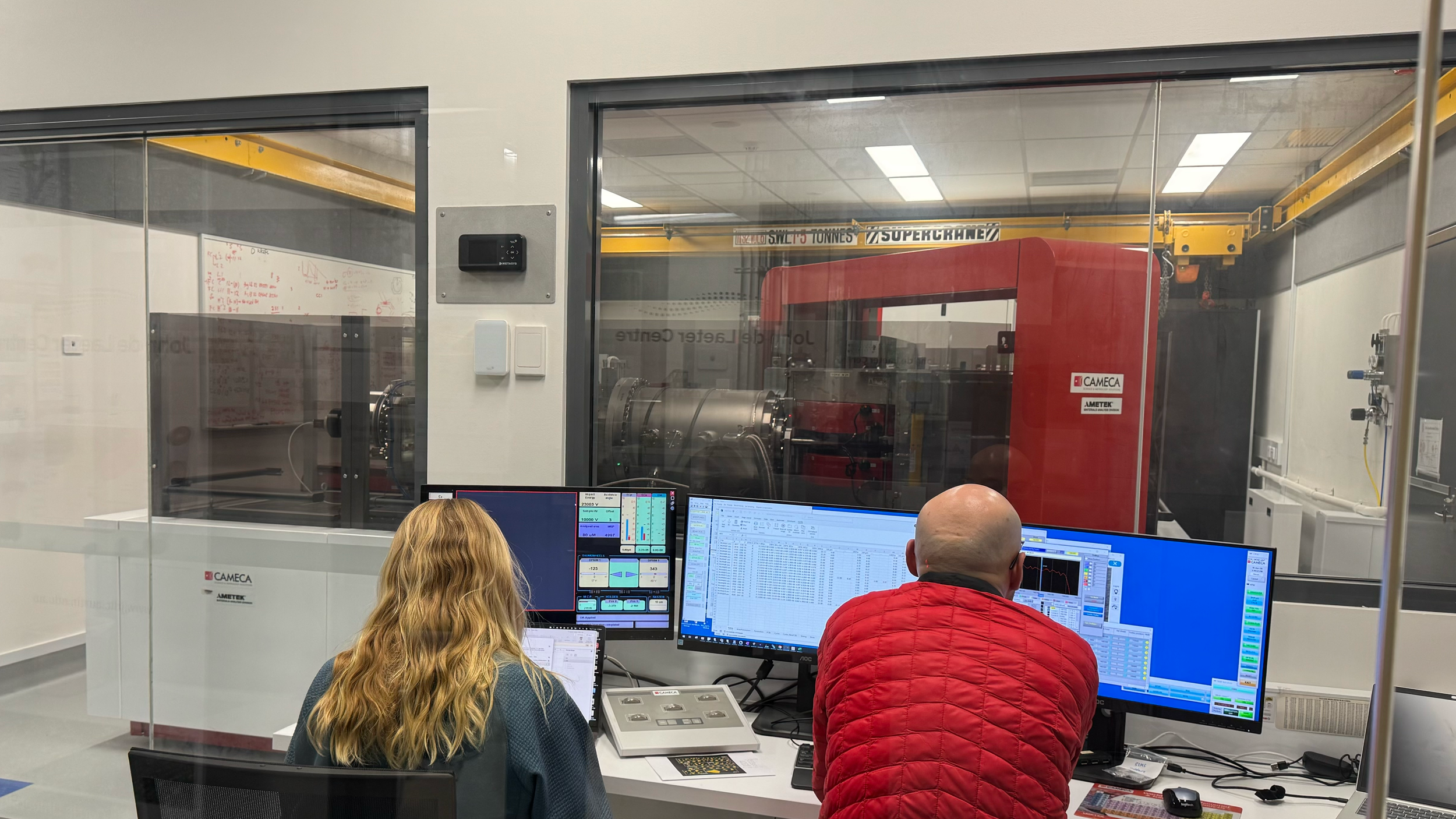
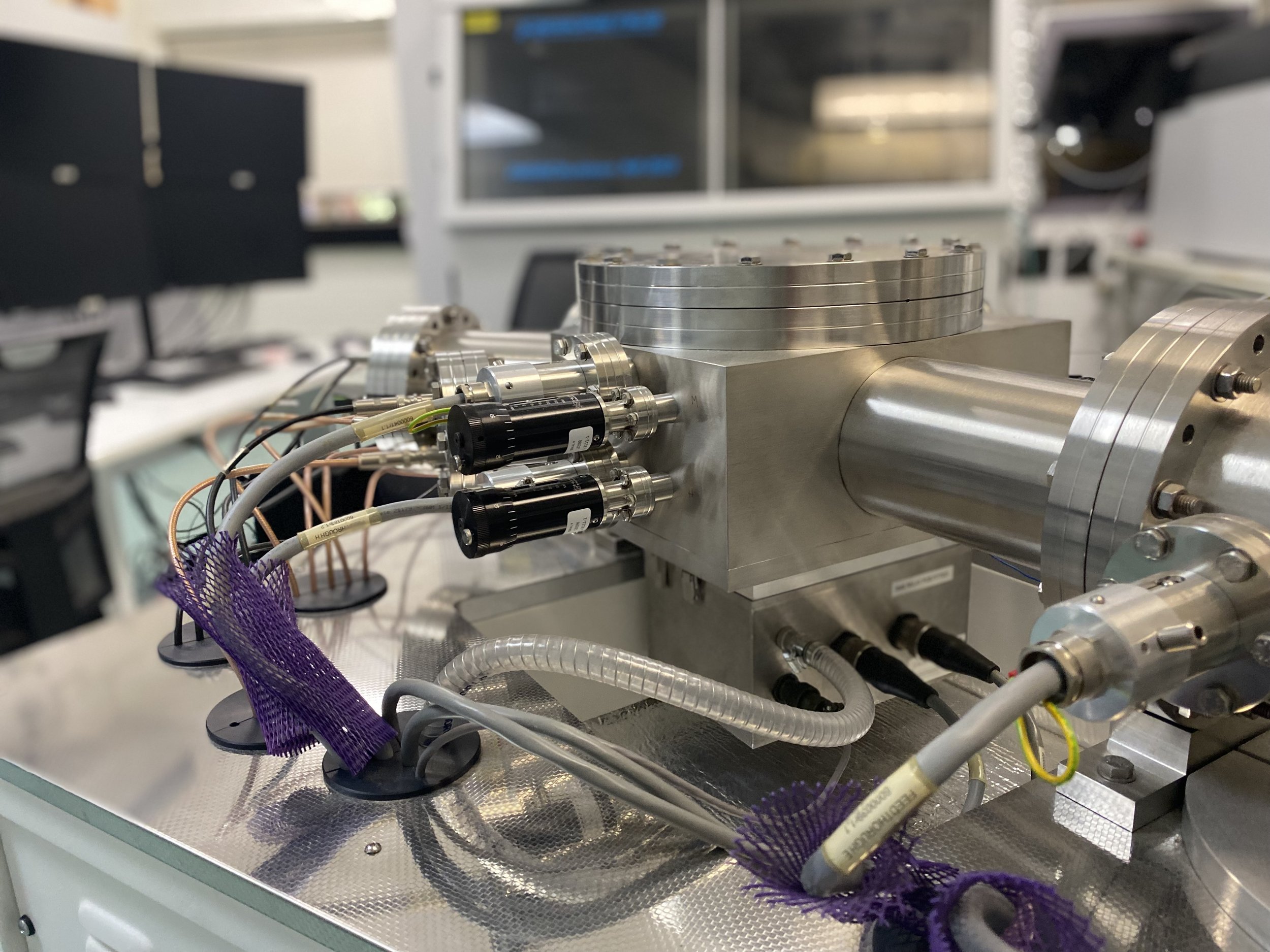
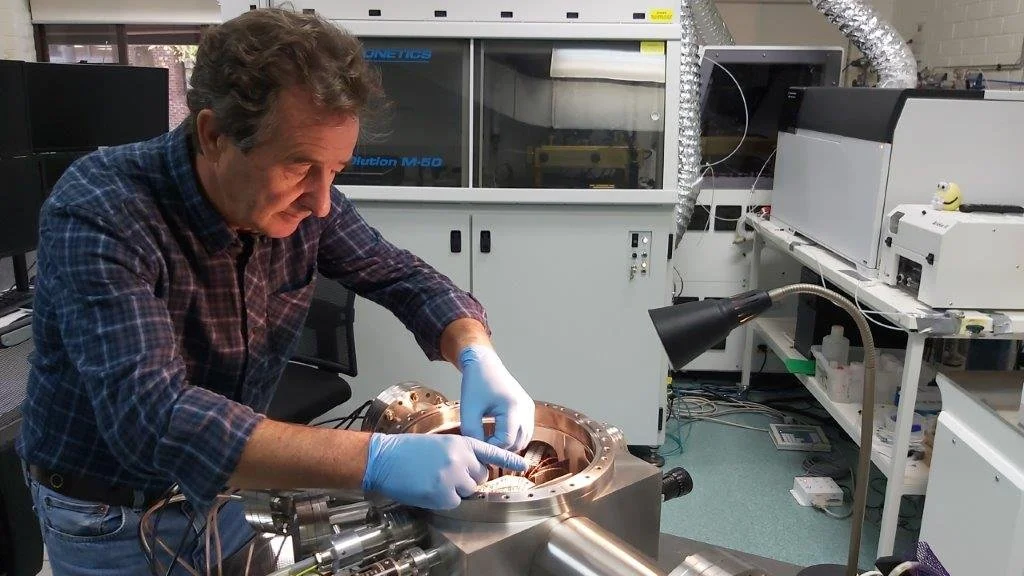
CAMECA 1300 HR3 at the John de Laeter Centre, Curtin University. This ion microprobe enables highly sensitive and precise isotopic analysis of solid materials, covering nearly the entire periodic table from hydrogen to uranium. Image: Bryant Ware
About Us
Curtin University hosts the headquarters of the AuScope EarthBank Project and serves as a national hub for geochemical and geochronological research infrastructure within the Earth Composition and Evolution (ECE) program. Through the John de Laeter Centre, Curtin provides access to world-class analytical facilities that generate high-precision geochemical and isotopic data supporting research into Earth's history, resources, and environmental systems. AuScope investment through the Curtin Node enhances national analytical capability by supporting instrument operation, technical staffing, user access, method development, training, and the generation of high-quality geochemical and isotopic data that underpin geoscience research across Australia.
The Curtin node leads the development of the AuScope EarthBank platform, Australia's national geochemistry data infrastructure. In partnership with universities and research organisations across Australia, Curtin coordinates the development of data standards, metadata frameworks, persistent identifier integration, governance policies, and digital workflows that connect laboratory-generated data with national research infrastructure. These activities enhance the discoverability, accessibility, interoperability, and reuse of geochemical and geochronological data, ensuring that valuable analytical datasets can continue to support scientific discovery long after they are generated.
Overview
The Curtin Node of the AuScope EarthBank Project supports Australia's Earth Composition and Evolution (ECE) research community through the integration of nationally significant analytical infrastructure, data management systems, and digital research capabilities.
Through the John de Laeter Centre (JdLC), the Curtin Node supports world-class geochemical and geochronological facilities that provide researchers from academia, government, and industry with access to advanced analytical instrumentation, technical expertise, training, and collaborative research opportunities. These facilities generate the high-quality geochemical, geochronological, and isotopic data required to investigate Earth and planetary evolution, understand mineral and energy resources, and monitor environmental change.
The Curtin Node also leads the development and operation of the AuScope EarthBank platform, Australia's national geochemistry data infrastructure. Working in partnership with universities, government agencies, and the broader geoscience community, the Curtin Node develops data standards, metadata frameworks, persistent identifier integration, governance policies, curation practices, and digital workflows that support the management and publication of geochemical and geochronological data.
By connecting laboratory-generated data with national digital infrastructure, the Curtin Node enhances the discoverability, accessibility, interoperability, and reuse of analytical datasets. These activities help ensure that Australia's geoscience data assets remain accessible and valuable for future research, education, industry, and government decision-making.
Curtin EarthBank node related inquires: bryant.ware@curtin.edu.au
EarthBank HQ related inquires: bhavik.lodhia@curtin.edu.au
John de Laeter Centre: jdlc.admin@curtin.edu.au
“World-class research infrastructure depends on more than world-class facilities; it depends on the people who build expertise, share knowledge, and foster collaboration across the research community. Through the Curtin Node, we support the researchers, technical specialists, and facilities that generate Australia's geochemical and geochronological data within the John de Laeter Centre, while developing the data infrastructure needed to preserve, share, and reuse these valuable scientific assets. By connecting people, facilities, and data, we are helping build a more collaborative and sustainable future for Australian geoscience”
– Bryant Ware, Curtin EarthBank Node Leader
What we do
Provides world-class geochemical analytical and characterisation capabilities, EarthBank data integration, and collaborative support for researchers generating and managing geoscience data.
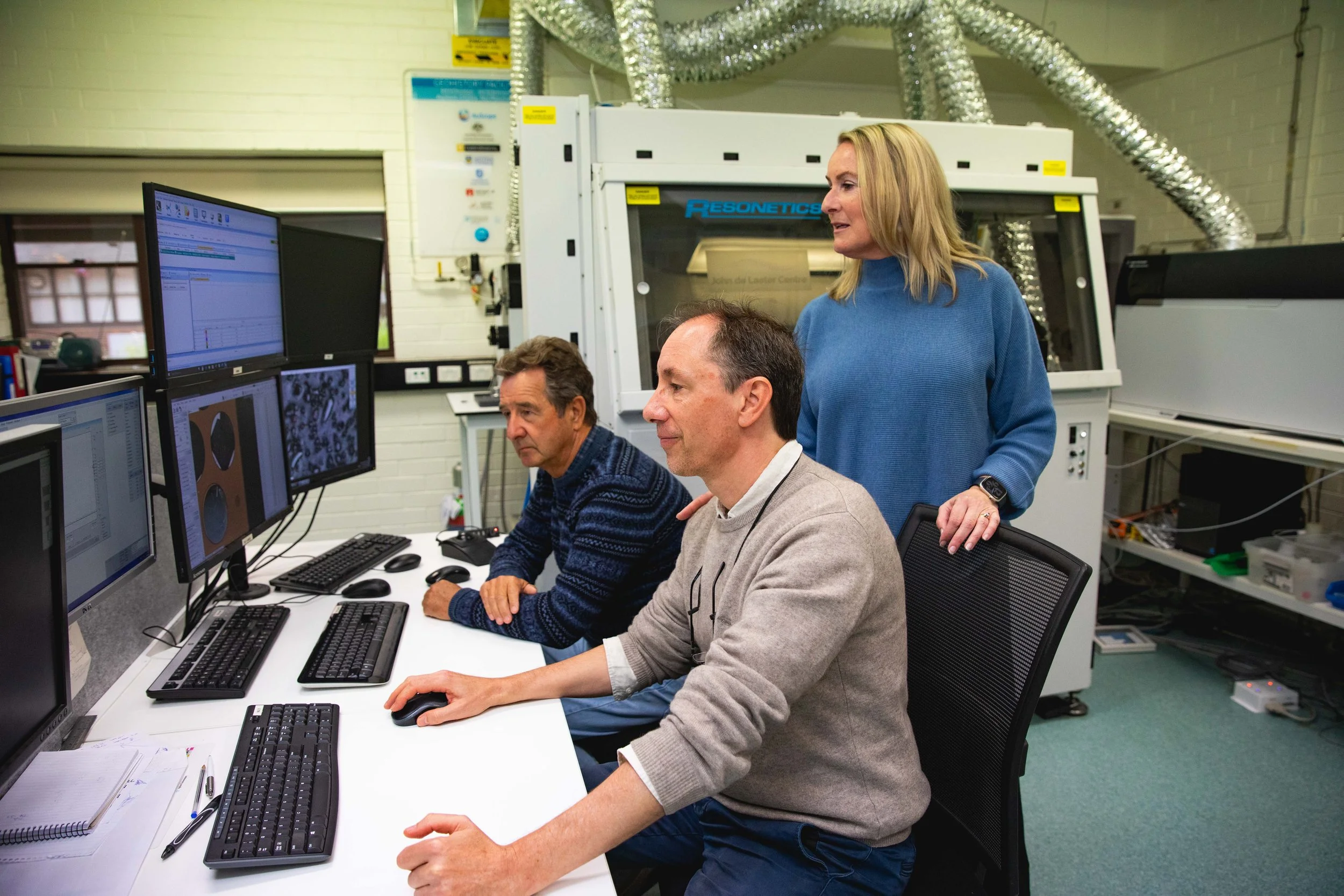
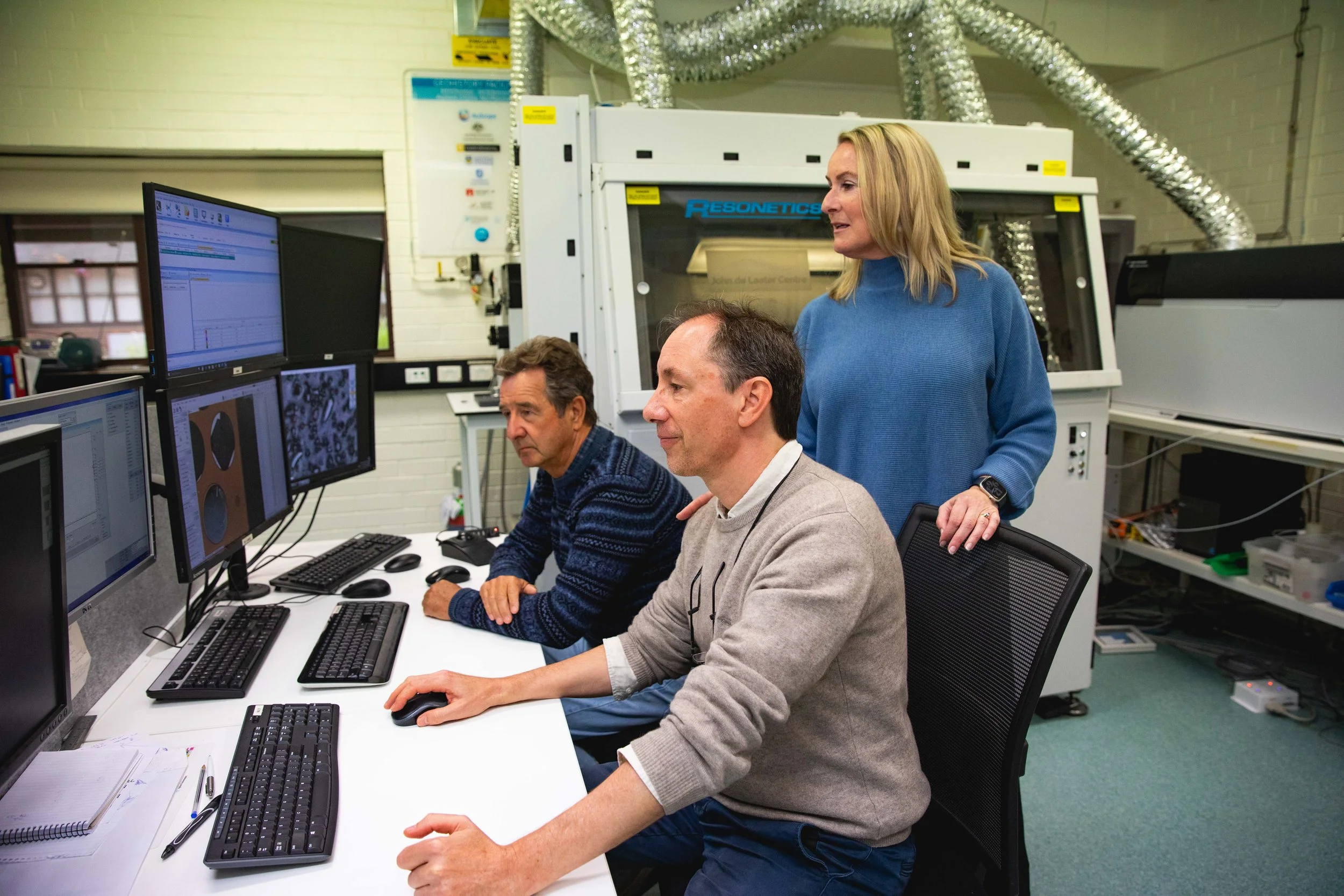
Users at the John de Laeter Centre (JdLC), working with the Resonetics RESOlution LR laser (high energy) and mass spectrometers for High-precision geochemical analysis. Image: Noreen Evans.
Support: Training | advice | onboarding | troubleshooting
Services: Analytical capabilities | data help | tools access | workflows | collaboration
Community: Events | meetups | seminars
Take a look around Curtin University's John de Laeter Centre

Node Director

EarthBank HQ
Brent McInnes - Director
Bhavik Lodhia - Deputy Director
Belinda Northeast - Business Manager
EarthBank Fellow
Ziyi Zhu
AusScope Supported Specialist/Technical Staff
Brad McDonald
Celia Mayers
Hao Gau
Janet Harvey
Location
AuScope Program