EarthBank Node | University of Wollongong
High-precision geochemical analysis and data integration powering Australia’s Earth science research
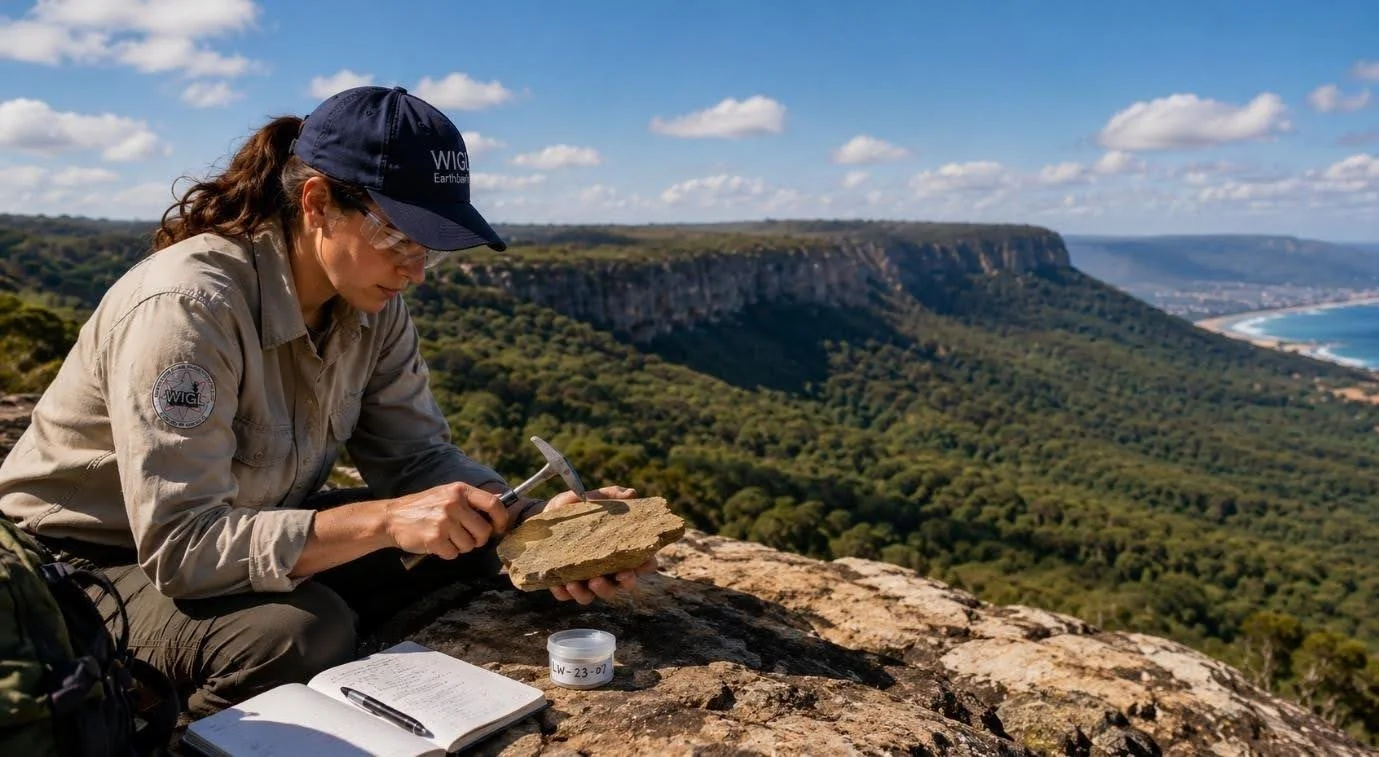
Field sampling and isotope geochemistry at WIGL help generate the high-quality data used to investigate Earth surface processes, environmental change and Earth's history. Image: Anthony Dosseto.
About Us
Established in 2012, the Wollongong Isotope Geochronology Laboratory (WIGL) is a leading Australian facility for isotope geochemistry, geochronology and trace element analysis. Over the past decade, WIGL has supported research spanning Earth surface processes, landscape evolution, environmental change, archaeology, climate history and biomedical applications.
As an EarthBank Node, WIGL combines advanced analytical capabilities with national research infrastructure to help researchers generate, manage and share high-quality geochemical data. By linking analytical excellence with best-practice data stewardship, the node helps ensure that research data remain discoverable, interoperable and reusable for future generations of researchers.
Overview
WIGL provides researchers with access to world-class isotope geochemistry, geochronology and trace element analysis. The node supports research spanning Earth surface processes, environmental change, archaeology and biomedical applications, helping researchers investigate questions across a wide range of spatial and temporal scales.
As part of Australia's EarthBank project, WIGL contributes to the generation, integration and stewardship of high-quality geochemical data. By combining analytical expertise with national research infrastructure, the node helps maximise the accessibility, reuse and long-term impact of research outputs.
WIGL at a Glance:
Established in 2012
121 researchers and students trained
76 clients supported
41 collaborating organisations
Collaborators across 12 countries
More than $11 million in supported research funding
Member of the AuScope Geochemistry Network
Integrated within Australia's national EarthBank infrastructure
Since its establishment in 2012, WIGL has trained more than 120 researchers and students and supported collaborators from over 40 organisations across 12 countries.
WIGL provides researchers with access to world-class isotope geochemistry, geochronology and trace element analysis. The node supports research spanning Earth surface processes, environmental change, archaeology and biomedical applications, helping researchers investigate questions across a wide range of spatial and temporal scales.
As part of Australia's EarthBank project, WIGL contributes to the generation, integration and stewardship of high-quality geochemical data. By combining analytical expertise with national research infrastructure, the node helps maximise the accessibility, reuse and long-term impact of research outputs.
“High-quality geochemical data are most valuable when they can be shared, discovered and reused. Through EarthBank, WIGL is helping build the infrastructure needed to connect analytical excellence with long-term data stewardship”
– Professor Anthony Dosseto Director, Wollongong Isotope Geochronology Laborator
What we do
Research and technical support:
Project planning and analytical strategy
Sample preparation and laboratory workflows
Training and onboarding
Technical advice and troubleshooting
Collaborative research development
Data management support
Analytical capabilities:
High-precision isotope geochemistry
Geochronology
Trace element analysis
Environmental and biomedical isotope applications
In situ laser-ablation analysis
Data and Infrastructure
EarthBank-compatible workflows
Metadata and data standards
FAIR data practices
Data publication and sharing
National geoscience data integration
Research Areas
WIGL supports research across:
Earth surface processes and weathering
Landscape evolution
Geochronology and isotope geochemistry
Environmental change
Archaeology, palaeoecology and palaeoenvironmental reconstruction
Climate and Earth system science
Biomedical and health-related isotope applications
How to access
Whether you require analytical support, training, collaborative research opportunities or assistance managing geochemical data, the University of Wollongong EarthBank Node can help.
Researchers are encouraged to contact the node team to discuss analytical requirements, collaborative opportunities and how EarthBank infrastructure can support their research.

University of Wollongong Node
Node Leader

EarthBank Fellow

Analytical Facilities
High-Precision Isotope Analysis
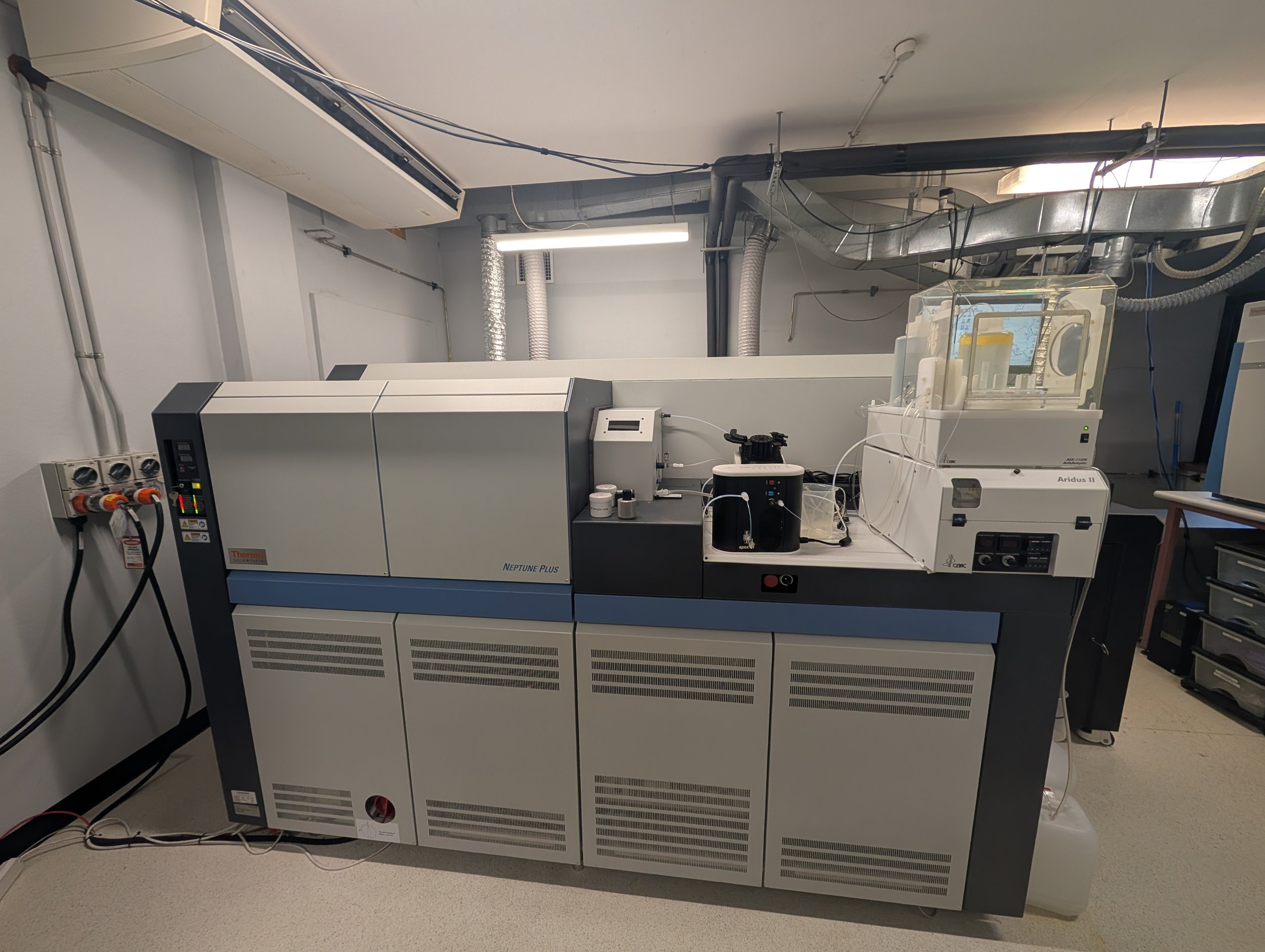
Thermo Scientific Neptune Plus MC-ICP-MS supporting radiogenic and stable isotope measurements.
In Situ Analysis
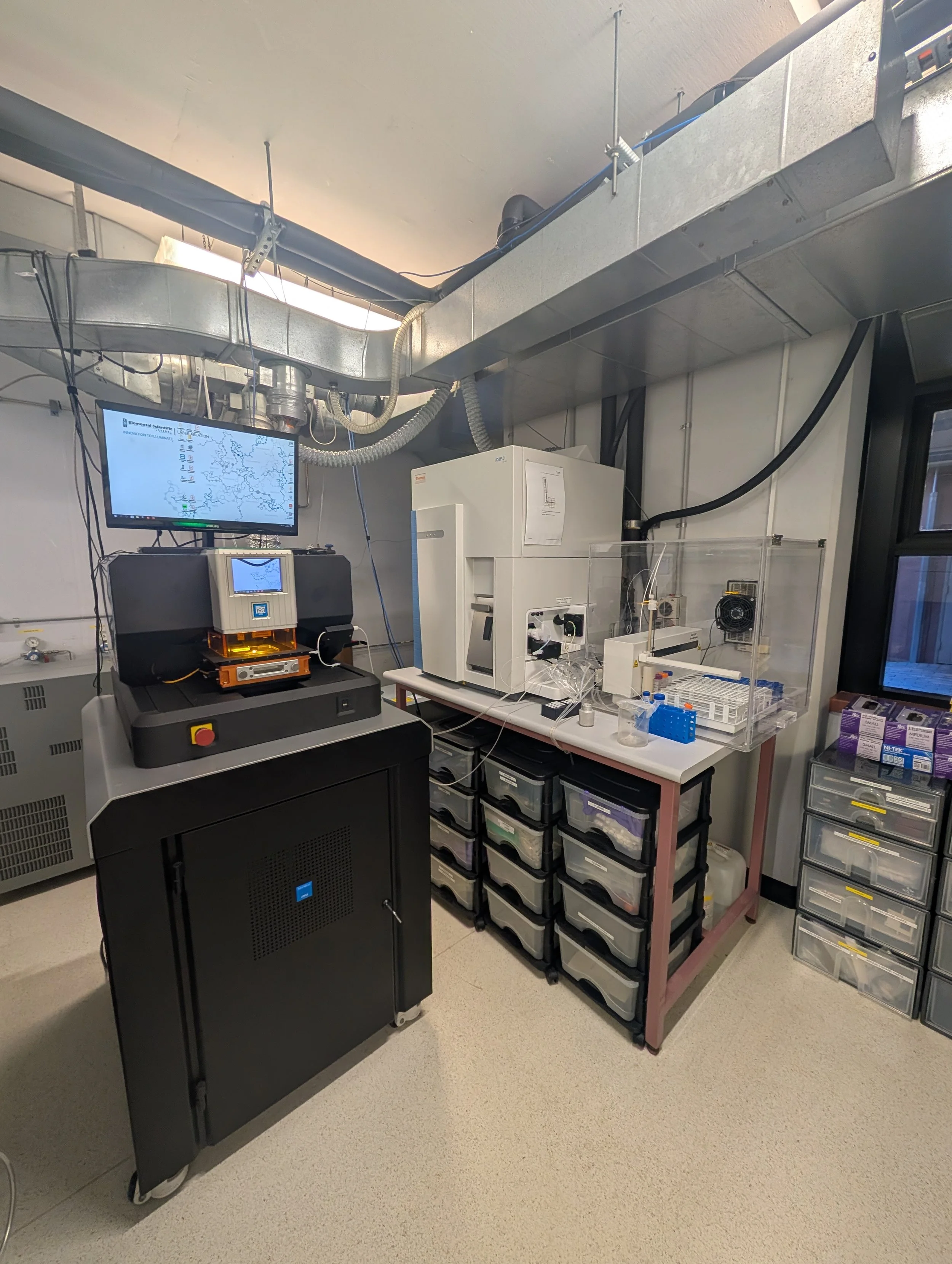
Laser-ablation systems enabling spatially resolved isotopic and trace element measurements.
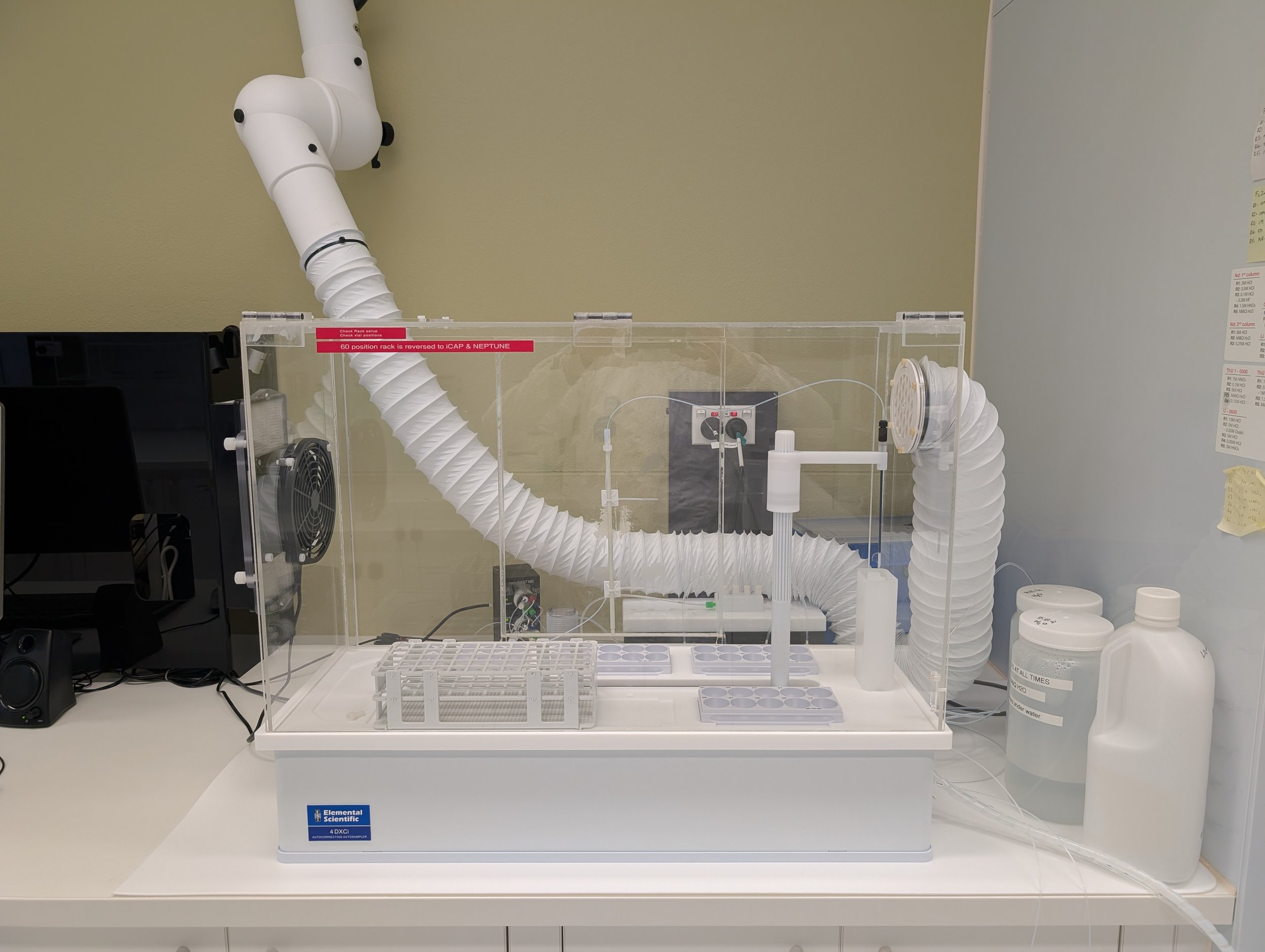
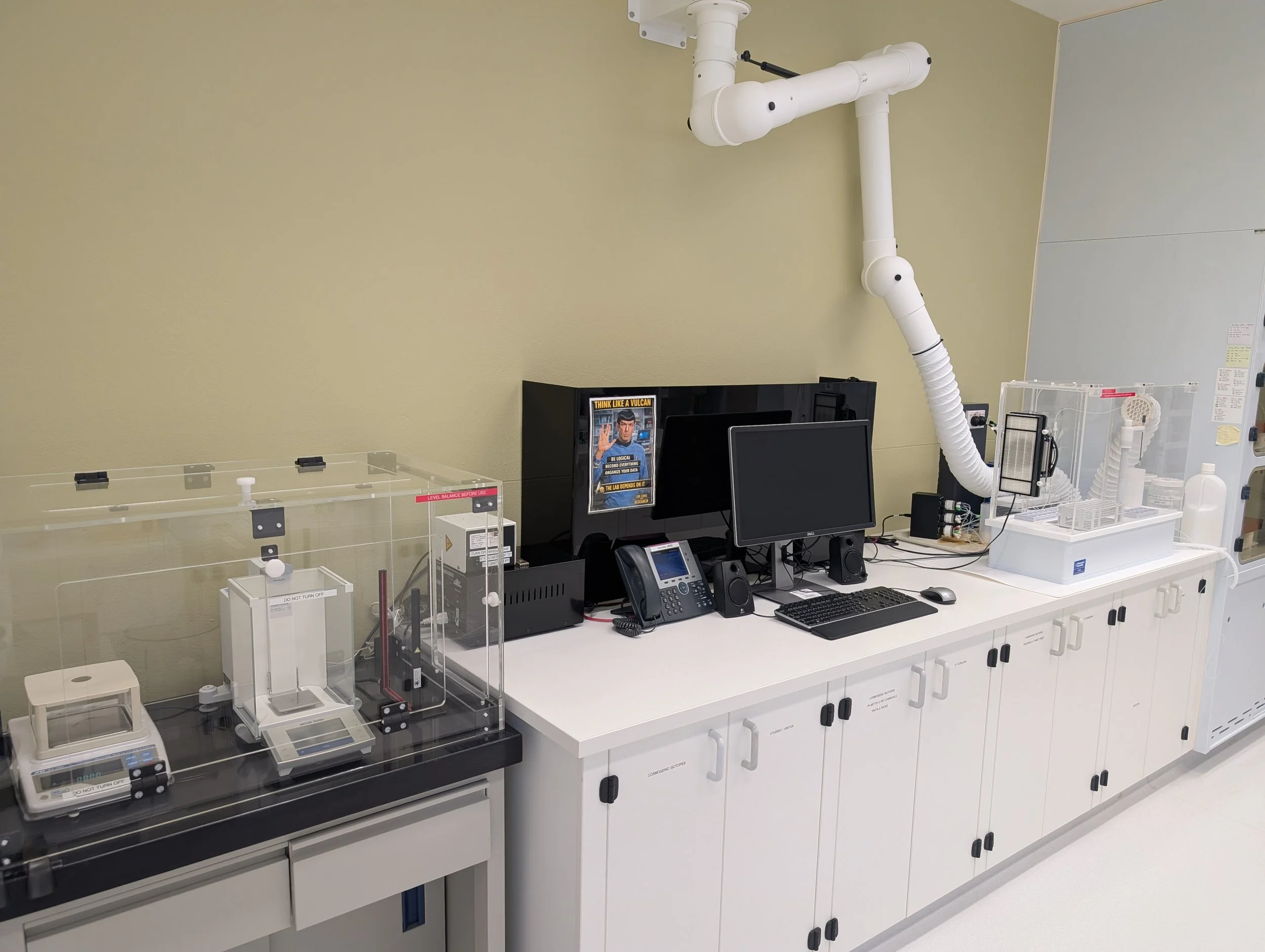
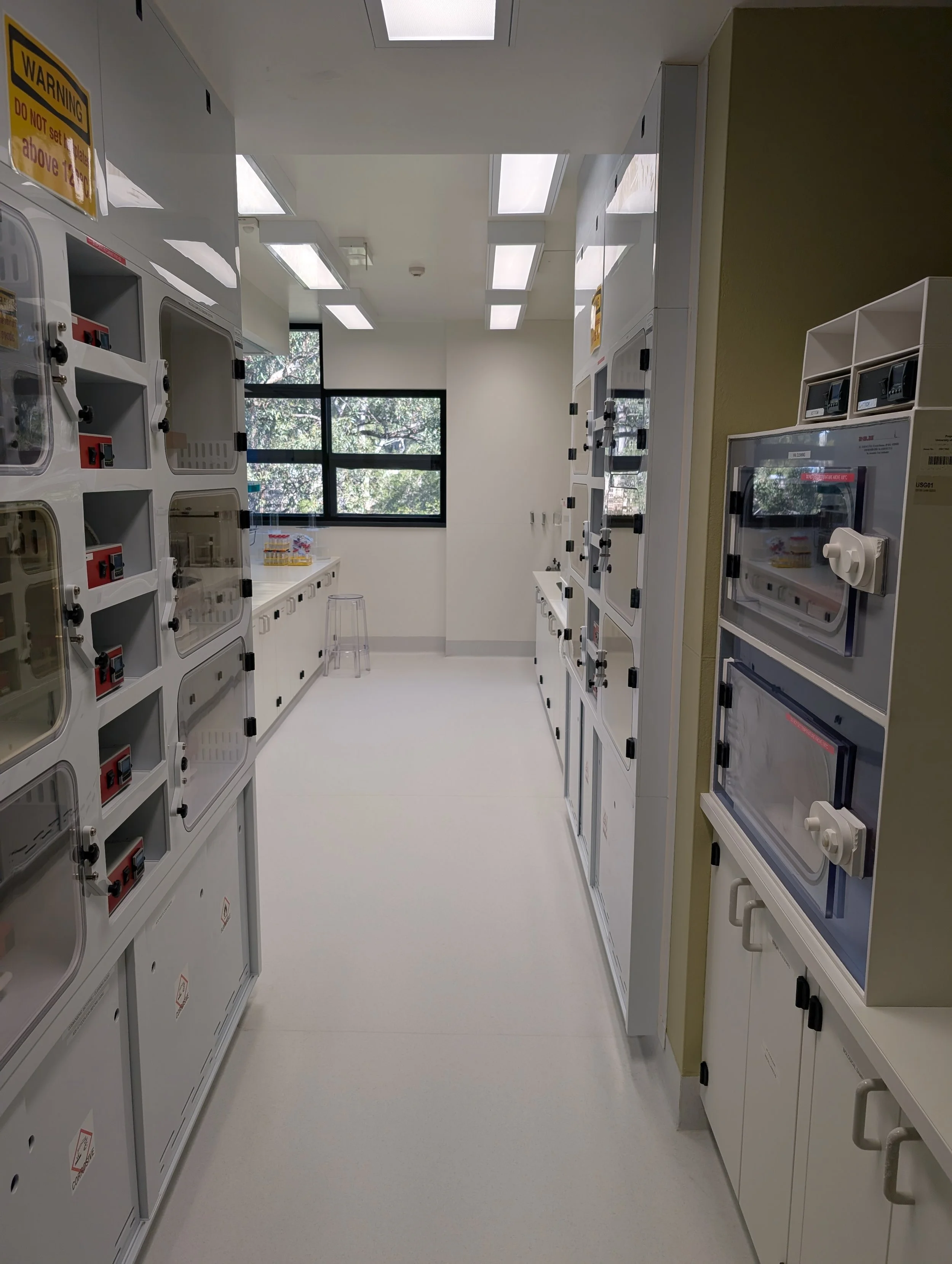
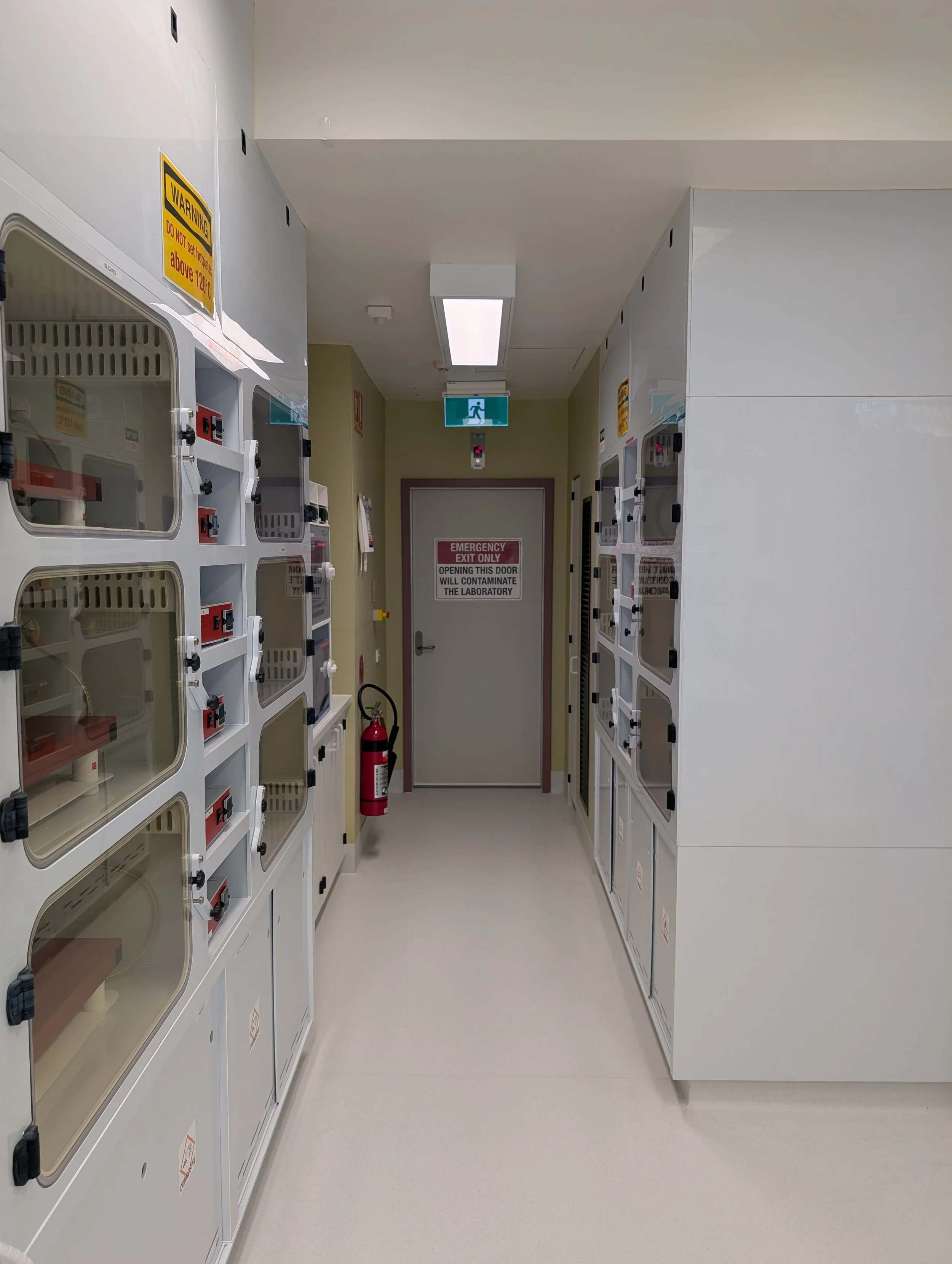
Ultra-Clean Chemistry Facilities
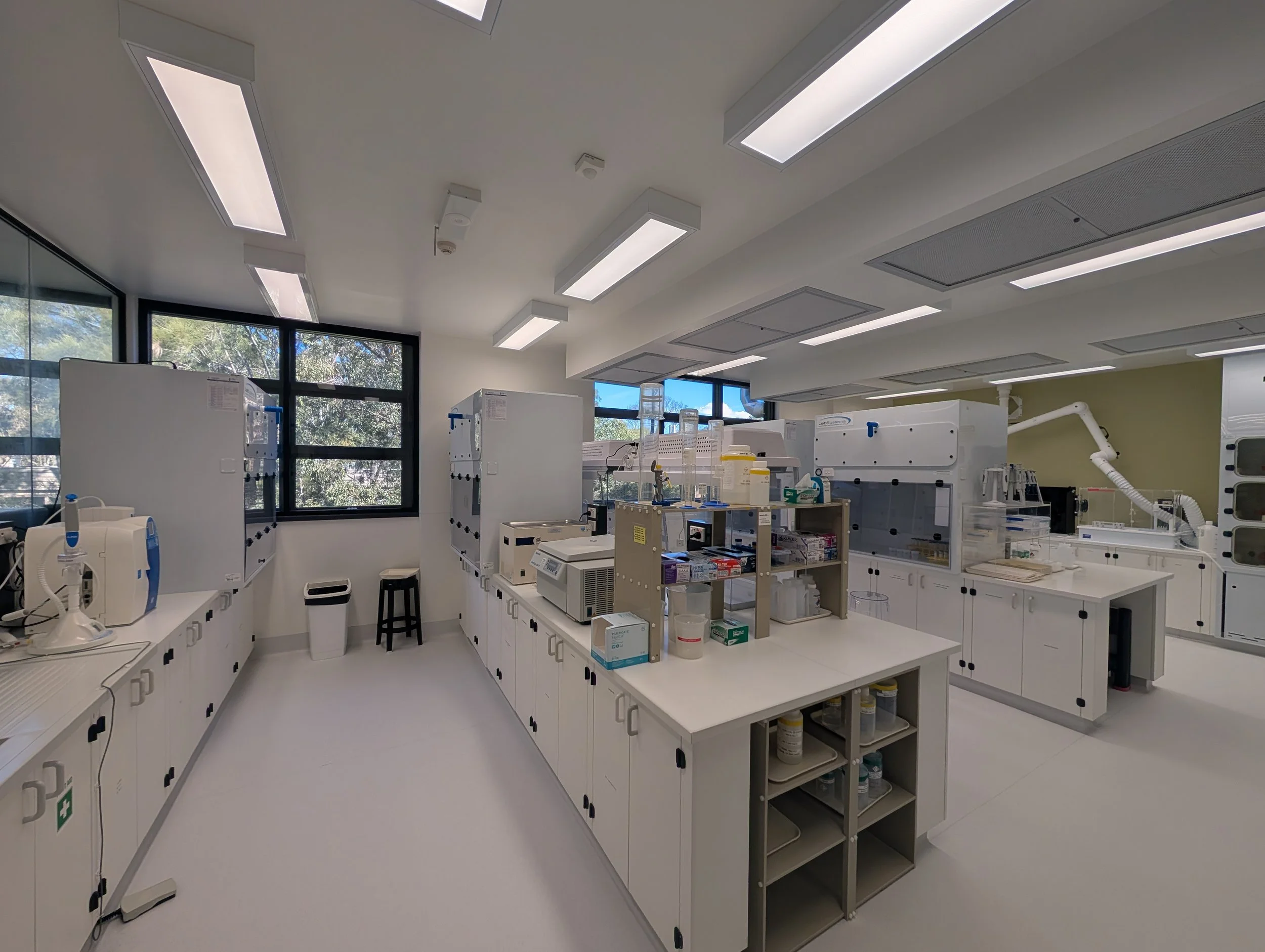
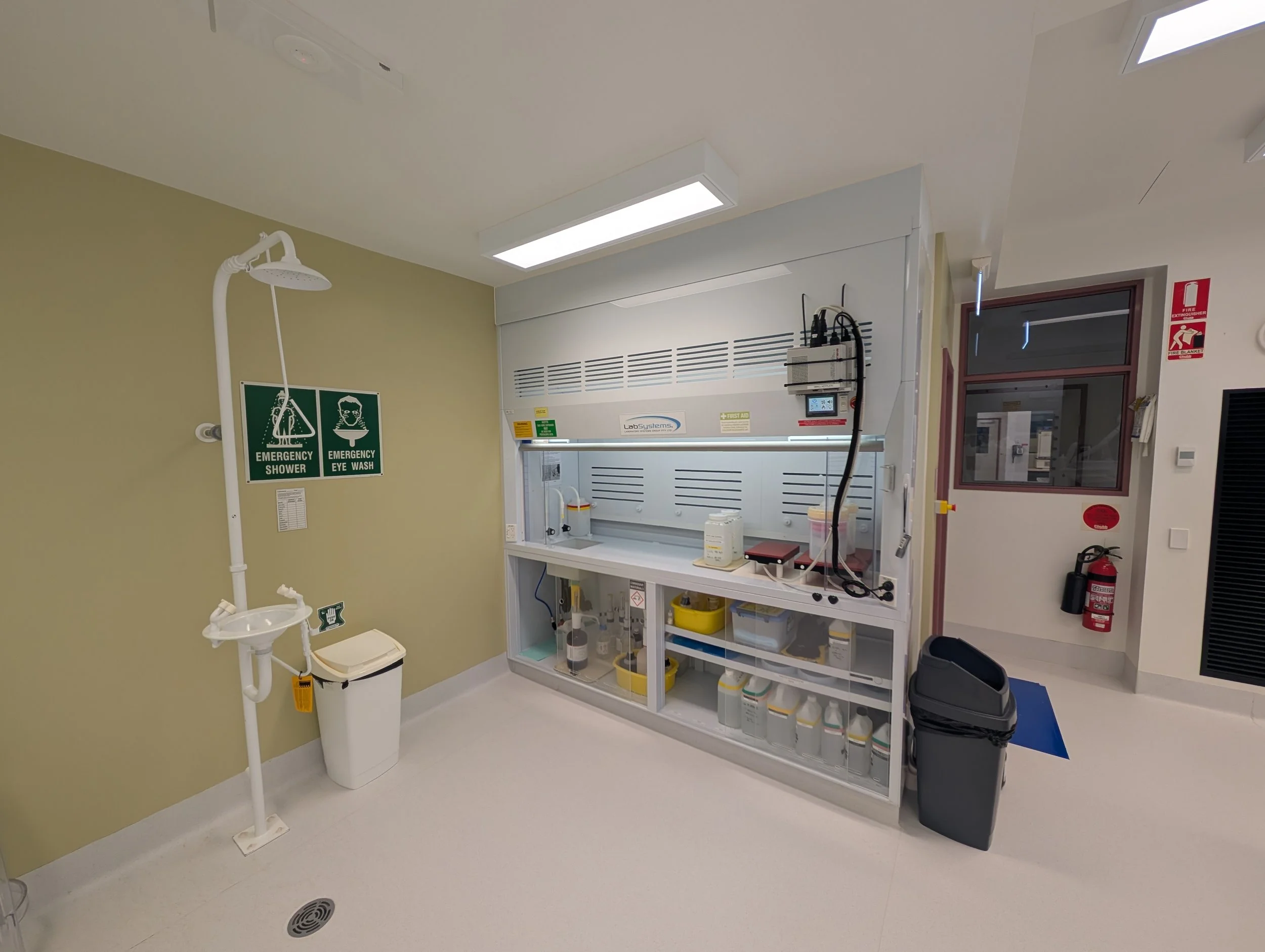
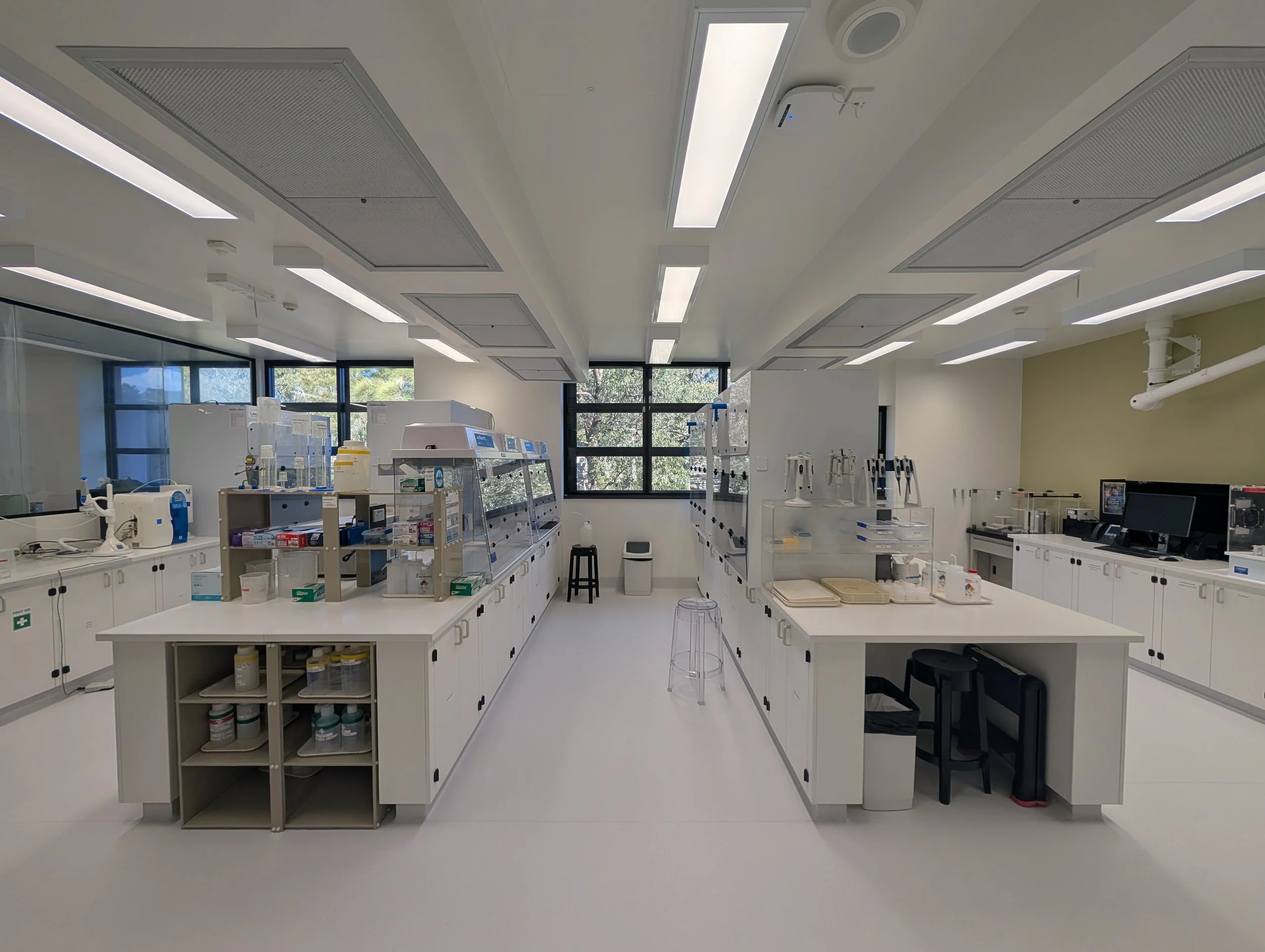
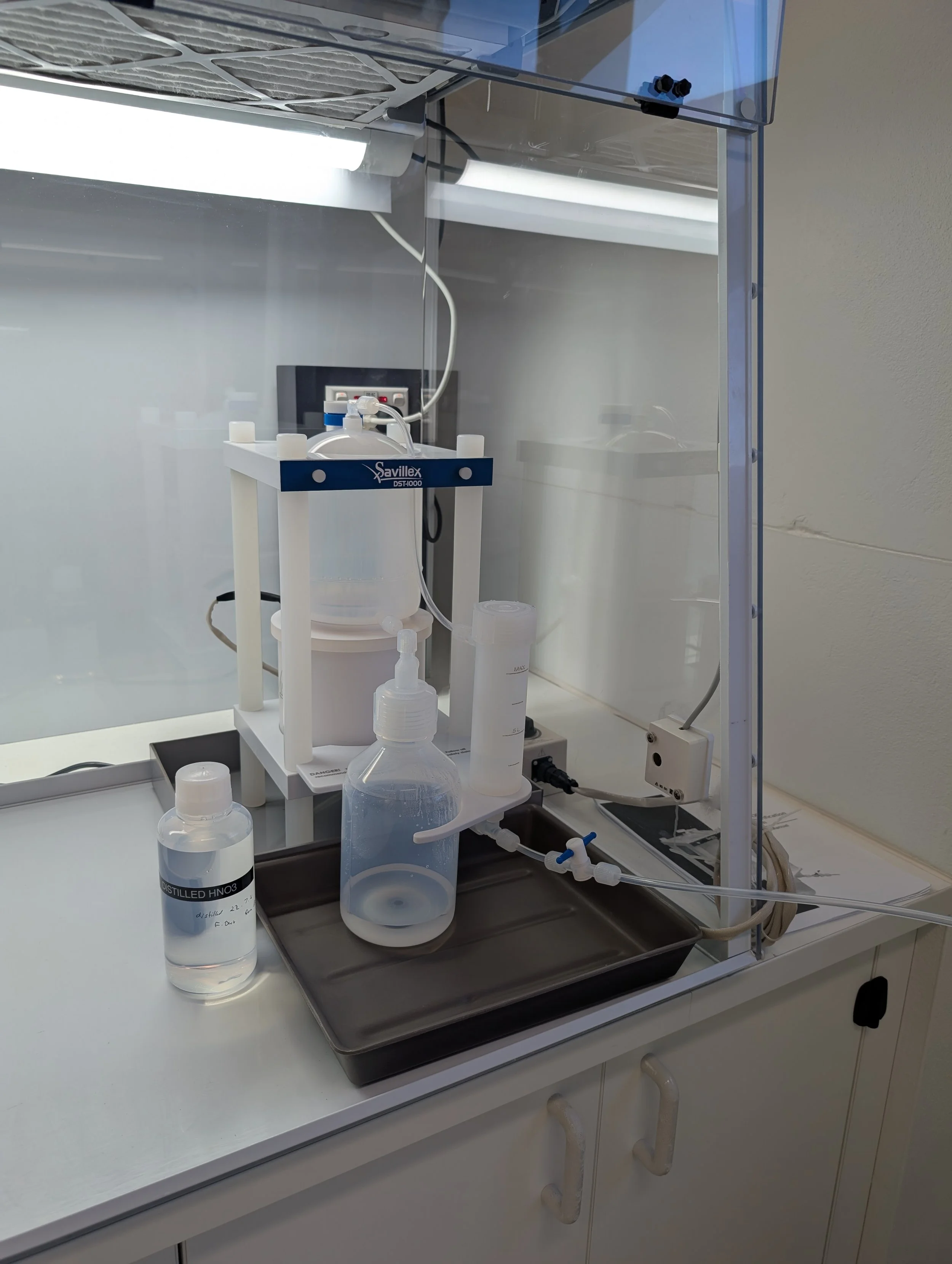
ISO-class clean laboratories supporting low-blank sample preparation and chemical purification.
Geochronology Laboratories
Dedicated U-series laboratories supporting age determination and chronometric applications.
Trace Element and Geochemical Analysis
A suite of ICP-MS and complementary analytical platforms supporting a wide range of Earth and environmental science applications.
Location
AuScope Program